日本人の皆さん、こんにちは! このブログをお読みになっていただきありがとうございます。 日本語を学ぶ外国の方々に、日本人がどのように日本語を学んでいるのか知っていただきたいと思ったからです。そこで、私が使っているアプリやWebsiteを紹介させていただきました。少しでもお役に立てば幸いです。 しかし、最近になって、このブログを読んでくださっている方の多くは日本人であることがわかりました。これは、私の予想とは異なりましたが、それでも皆さんに読んでいただけて嬉しいです。 また、複合動詞のまとめも作成しました。漢字や単語は、辞書やアプリなど、さまざまな学習ツールが充実していますが、複合動詞は学習が難しいと感じる方が多いと思います。そこで、私の学習方法を皆さんにシェアしたいと思います。 現代文や古典文法、作文などについては、現在、仕事の関係で時間を割くことが難しいです。もし、ご希望があれば、できる限り時間を作って、関連する資料を整理したいと思います。 最後になりましたが、皆さんの応援に感謝いたします。
Hello everyone! Thank you for reading my blog. I aim to help foreign friends learning Japanese understand how Japanese people study the language. Therefore, I’m sharing some applications and websites that I use, hoping they will be helpful to you. This time, I’m sharing the kanji that Japanese elementary school students must learn. They need to study the stroke order, radicals, and examples of usage while learning their lessons. I’ve included these kanji along with spoken examples that commonly use them.
In Japanese, nouns exhibit several distinct characteristics, primarily categorized into three types: native words (和語), kanji compounds (漢字詞), and loanwords (外来語).
- Native Words (和語): These are words that originated in Japan and are part of the original Japanese vocabulary. They often represent everyday objects, concepts, and emotions, and they tend to have simpler phonetic structures. The examples below for each kanji are mostly native expressions. However, while verbs are essential components of language learning, they are not the primary focus of this particular study, as most grammar books will already cover these aspects comprehensively.
- Kanji Compounds (漢字詞): These words are formed using kanji characters, which are derived from Chinese. They usually convey more complex meanings and can represent abstract concepts, actions, or objects. The use of kanji often allows for a more nuanced expression in the language.
- Loanwords (外来語): These are words borrowed from other languages, primarily English, and they are written in katakana. While loanwords are prevalent in modern Japanese, this list will not focus on them.
Additionally, Japanese nouns can be pronounced in two ways: on’yomi (音読) and kun’yomi (訓読). On’yomi refers to the Chinese readings of kanji, while kun’yomi refers to the native Japanese readings. This dual system allows for flexibility in usage, depending on the context.
Then lets talk about kanji compounds with two kanji characters. Here are some examples of kanji compounds (漢字詞) along with their structural relationships:
- Modifier-Modified Relationship (修飾語-被修飾語):
- 高校生 (こうこうせい, kōkōsei)
- 高 (こう, kō) – high
- 校 (こう, kō) – school
- Meaning: high school student.
- 医者 (いしゃ, isha)
- 医 (い, i) – medicine
- 者 (しゃ, sha) – person
- Meaning: doctor (a person in the field of medicine).
- 高校生 (こうこうせい, kōkōsei)
- Noun-Noun Compound (名詞-名詞):
- 本屋 (ほんや, honya)
- 本 (ほん, hon) – book
- 屋 (や, ya) – shop, store
- Meaning: bookstore.
- 花火 (はなび, hanabi)
- 花 (はな, hana) – flower
- 火 (び, bi) – fire
- Meaning: fireworks (literally, “flower fire”).
- 本屋 (ほんや, honya)
- Action-Object Relationship (動作-対象):
- 運転 (うんてん, unten)
- 運 (うん, un) – carry, transport
- 転 (てん, ten) – turn
- Meaning: driving (the action of carrying and turning).
- 見学 (けんがく, kengaku)
- 見 (けん, ken) – see
- 学 (がく, gaku) – learn
- Meaning: study by observation (learning through seeing).
- 運転 (うんてん, unten)
- Cause-Effect Relationship (原因-結果):
- 失敗 (しっぱい, shippai)
- 失 (しつ, shitsu) – lose
- 敗 (はい, hai) – defeat
- Meaning: failure (losing or being defeated).
- 発展 (はってん, hatten)
- 発 (はつ, hatsu) – develop, issue
- 展 (てん, ten) – expand
- Meaning: development (expanding from an initial issue).
- 失敗 (しっぱい, shippai)
- Collective Noun Relationship (集合名詞):
- 動物 (どうぶつ, dōbutsu)
- 動 (どう, dō) – move
- 物 (ぶつ, butsu) – thing
- Meaning: animals (living things that move).
- 生徒 (せいと, seito)
- 生 (せい, sei) – life, student
- 徒 (と, to) – group
- Meaning: students (a group of learners).
- 動物 (どうぶつ, dōbutsu)
These examples illustrate how understanding the structure of kanji compounds can enhance comprehension and vocabulary acquisition in Japanese. For the intermediate level of Japanese Kanji compounds, and yojijukugo, please use dictionaries or vocabulary books. Besides, this app, 小学生手書き漢字ドリル1026 – はんぷく学習シリーズ (and iOS here) with relative learning apps helps a lot.
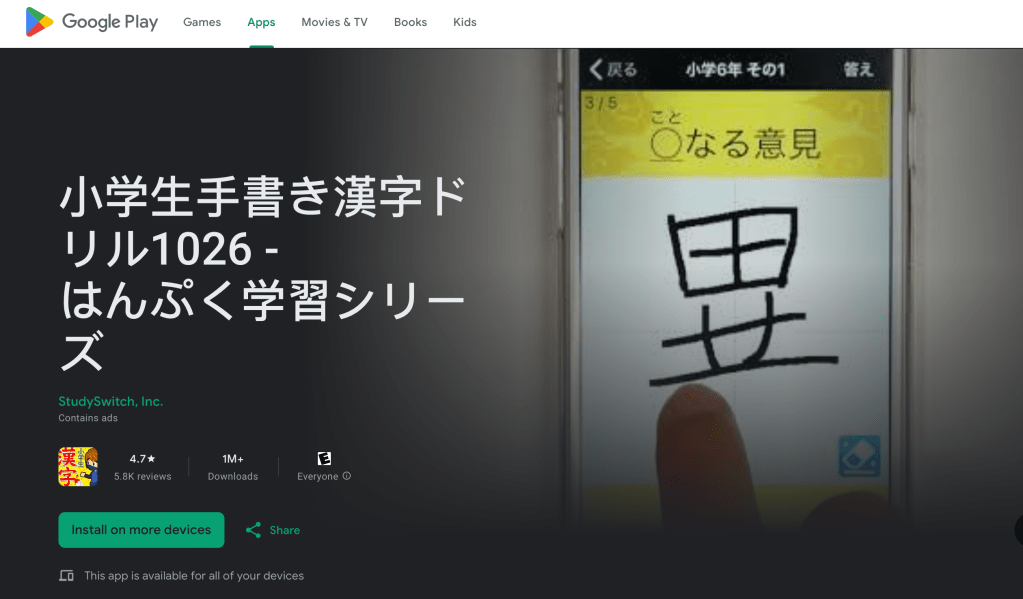
1年生で習う漢字は80文字
一 右 雨 円 王 音 下 火 花 貝 学 気 九 休 玉 金 空 月 犬 見 五 口 校 左 三 山 子 四 糸 字 耳 七 車 手 十 出 女 小 上 森 人 水 正 生 青 夕 石 赤 千 川 先 早 草 足 村 大 男 竹 中 虫 町 天 田 土 二 日 入 年 白 八 百 文 木 本 名 目 立 力 林 六
用例:
- 一(いち)つの かばん (one bag)
- 右(みぎ)に まがる (turn to the right)
- 雨(あめ)が ふっている (it’s raining)
- 円(えん)の おかね (yen coins)
- 王(おう)さまが いる (there is a king)
- 音(おと)が きこえる (I can hear a sound)
- 下(した)に おりる (go down)
- 火(ひ)を けす (put out the fire)
- 花(はな)が さく (the flowers bloom)
- 貝(かい)を あつめる (collect shells)
- 学(がく)ぶんを よむ (read a textbook)
- 気(き)が つく (notice)
- 九(きゅう)つの りんご (nine apples)
- 休(きゅう)みが ほしい (I want a break)
- 玉(たま)を ける (kick the ball)
- 金(きん)が ある (there is gold)
- 空(そら)が あおい (the sky is blue)
- 月(つき)が きれい (the moon is beautiful)
- 犬(いぬ)が あるく (the dog walks)
- 見(み)ることが たのしい (watching is fun)
- 五(ご)つの おかし (five snacks)
- 口(くち)を あける (open the mouth)
- 校(こう)に いく (go to school)
- 左(ひだり)を みる (look to the left)
- 三(さん)びきの ねこ (three cats)
- 山(やま)が たかい (the mountain is high)
- 子(こ)が あそぶ (the child plays)
- 四(し)つの すいか (four watermelons)
- 糸(いと)を つむぐ (spin the thread)
- 字(じ)を かく (write a character)
- 耳(みみ)を すます (listen carefully)
- 七(なな)つの き (seven trees)
- 車(くるま)が はしる (the car runs)
- 手(て)を あげる (raise your hand)
- 十(じゅう)の ひき (ten animals)
- 出(で)かける (go out)
- 女(おんな)が うたう (the woman sings)
- 小(ちい)さい こねこ (a small kitten)
- 上(うえ)を みる (look up)
- 森(もり)を あるく (walk in the forest)
- 人(ひと)が おおい (there are many people)
- 水(みず)を のむ (drink water)
- 正(せい)しい こたえ (the correct answer)
- 生(せい)きが ある (there is life)
- 青(あお)い そら (blue sky)
- 夕(ゆう)が おちる (the evening falls)
- 石(いし)を なげる (throw a stone)
- 赤(あか)い りんご (a red apple)
- 千(せん)えんが ある (there is a thousand yen)
- 川(かわ)が ながれる (the river flows)
- 先(さき)に いく (go ahead)
- 早(はや)く ねる (go to bed early)
- 草(くさ)が たくさん (there is a lot of grass)
- 足(あし)が はやい (the legs are fast)
- 村(むら)に かえる (return to the village)
- 大(おお)きい いえ (a big house)
- 男(おとこ)が はしる (the man runs)
- 竹(たけ)を きる (cut the bamboo)
- 中(なか)に はいる (go inside)
- 虫(むし)が いる (there is an insect)
- 町(まち)を あるく (walk in the town)
- 天(てん)が あおい (the sky is blue)
- 田(た)んぼで かつ (cut in the rice field)
- 土(つち)を つくる (make soil)
- 二(に)つの おにぎり (two rice balls)
- 日(ひ)が のぼる (the sun rises)
- 入(い)る ところ (the place to enter)
- 年(とし)が かわる (the year changes)
- 白(しろ)い はな (a white flower)
- 八(はち)つの やま (eight mountains)
- 百(ひゃく)えんが ほしい (I want a hundred yen)
- 文(ぶん)を よむ (read a sentence)
- 木(き)が たくさん (there are many trees)
- 本(ほん)を かう (buy a book)
- 名(な)を おしえる (teach a name)
- 目(め)を あける (open your eyes)
- 立(た)つ ことが できる (can stand up)
- 力(ちから)を いれる (put in strength)
- 林(はやし)を あるく (walk in the grove)
- 六(ろく)つの くつ (six pairs of shoes)
2年生で習う漢字は160文字
引 羽 雲 園 遠 何 科 夏 家 歌 画 回 会 海 絵 外 角 楽 活 間 丸 岩 顔 汽 記 帰 弓 牛 魚 京 強 教 近 兄 形 計 元 言 原 戸 古 午 後 語 工 公 広 交 光 考 行 高 黄 合 谷 国 黒 今 才 細 作 算 止 市 矢 姉 思 紙 寺 自 時 室 社 弱 首 秋 週 春 書 少 場 色 食 心 新 親 図 数 西 声 星 晴 切 雪 船 線 前 組 走 多 太 体 台 地 池 知 茶 昼 長 鳥 朝 直 通 弟 店 点 電 刀 冬 当 東 答 頭 同 道 読 内 南 肉 馬 売 買 麦 半 番 父 風 分 聞 米 歩 母 方 北 毎 妹 万 明 鳴 毛 門 夜 野 友 用 曜 来 里 理 話
用例:
- 引(ひ)く つえ (pull the stick)
- 羽(はね)が はえる (feathers grow)
- 雲(くも)が うかぶ (clouds float)
- 園(えん)に いく (go to the garden)
- 遠(とお)くに すむ (live far away)
- 何(なに)を する (what to do)
- 科(か)を べんきょうする (study a subject)
- 夏(なつ)に あそぶ (play in summer)
- 家(いえ)に かえる (return home)
- 歌(うた)を うたう (sing a song)
- 画(が)を かく (draw a picture)
- 回(かい)る つき (revolve around the moon)
- 会(かい)に いく (go to the meeting)
- 海(うみ)で あそぶ (play at the sea)
- 絵(え)を みる (look at a painting)
- 外(そと)に でる (go outside)
- 角(かく)を まがる (turn the corner)
- 楽(たの)しい ひ (a fun day)
- 活(かつ)やくする (be active)
- 間(あいだ)に はいる (enter in between)
- 丸(まる)い かたち (a round shape)
- 岩(いわ)の うえに (on the rock)
- 顔(かお)を あげる (raise your face)
- 汽(き)しゃに のる (ride the train)
- 記(き)を とる (take notes)
- 帰(かえ)る じかん (the time to return)
- 弓(ゆみ)を ひく (draw the bow)
- 牛(うし)が いる (there is a cow)
- 魚(さかな)を つる (catch a fish)
- 京(きょう)に いく (go to Kyoto)
- 強(つよ)い けん (a strong sword)
- 教(きょう)える こと (things to teach)
- 近(ちか)くに すむ (live nearby)
- 兄(あに)が いる (I have an older brother)
- 形(かたち)が ふるい (the shape is old)
- 計(けい)を たてる (make a plan)
- 元(もと)に もどる (return to the origin)
- 言(い)う ことば (words to say)
- 原(はら)に いく (go to the plain)
- 戸(と)を あける (open the door)
- 古(ふる)い いえ (an old house)
- 午(ご)に あう (meet at noon)
- 後(あと)に くる (come later)
- 語(ご)を まなぶ (learn a language)
- 工(こう)じょうで はたらく (work in the factory)
- 公(こう)に しらせる (announce to the public)
- 広(ひろ)い ばしょ (a wide place)
- 交(こう)うんてん (intersection)
- 光(ひかり)が みえる (see the light)
- 考(かんが)える (think)
- 行(い)くことが すき (like to go)
- 高(たか)い き (a tall tree)
- 黄(き)い かえで (yellow maple)
- 合(あ)う ともだち (friends who match)
- 谷(たに)を あるく (walk in the valley)
- 国(くに)に かえる (return to the country)
- 黒(くろ)い ねこ (a black cat)
- 今(いま)は だめ (not now)
- 才(さい)を のばす (develop talent)
- 細(ほそ)い いと (thin thread)
- 作(つく)ることが たのしい (making is fun)
- 算(さん)を する (do calculations)
- 止(と)まる ことが できる (can stop)
- 市(し)に いく (go to the city)
- 矢(や)を ひく (shoot an arrow)
- 姉(あね)が いる (I have an older sister)
- 思(おも)いを かく (write thoughts)
- 紙(かみ)を かう (buy paper)
- 寺(てら)に いく (go to the temple)
- 自(じ)びきする (to ride oneself)
- 時(じ)を まもる (keep time)
- 室(しつ)を そうじする (clean the room)
- 社(しゃ)に いく (go to the shrine)
- 弱(よわ)い こえ (a weak voice)
- 首(くび)を ふる (shake the head)
- 秋(あき)に なる (become autumn)
- 週(しゅう)に いちど (once a week)
- 春(はる)が くる (spring comes)
- 書(か)くことが すき (like to write)
- 少(すこ)し まって (wait a little)
- 場(ば)を かえる (change the place)
- 色(いろ)が きれい (the color is beautiful)
- 食(た)べることが たのしい (eating is fun)
- 心(こころ)が うれしい (the heart is happy)
- 新(あたら)しい こと (new things)
- 親(おや)に つたえる (tell the parents)
- 図(ず)を かく (draw a diagram)
- 数(かず)を かぞえる (count numbers)
- 西(にし)に いく (go west)
- 声(こえ)が きこえる (hear a voice)
- 星(ほし)が みえる (see stars)
- 晴(は)れた ひ (a sunny day)
- 切(き)る ことが できる (can cut)
- 雪(ゆき)が ふる (snow falls)
- 船(ふね)が うごく (the ship moves)
- 線(せん)が ひくい (the line is low)
- 前(まえ)に すすむ (move forward)
- 組(くみ)を つくる (form a group)
- 走(はし)る ことが すき (like to run)
- 多(おお)い みんな (many people)
- 太(ふと)い けいと (thick yarn)
- 体(からだ)が じょうぶ (the body is healthy)
- 台(だい)を かう (buy a stand)
- 地(ち)に かえる (return to the ground)
- 池(いけ)で あそぶ (play at the pond)
- 知(し)る ことが たいせつ (it’s important to know)
- 茶(ちゃ)を のむ (drink tea)
- 昼(ひる)ごはん (lunch)
- 長(なが)い みち (a long road)
- 鳥(とり)が うたう (the bird sings)
- 朝(あさ)が くる (morning comes)
- 直(なお)すことが できる (can fix)
- 通(とお)る みち (the road passes)
- 弟(おとうと)が いる (I have a younger brother)
- 店(みせ)に いく (go to the shop)
- 点(てん)を つける (put a point)
- 電(でん)しゃに のる (ride the train)
- 刀(かたな)を ふる (wield a sword)
- 冬(ふゆ)が くる (winter comes)
- 当(あ)たる ことが ある (sometimes it hits)
- 東(ひがし)に いく (go east)
- 答(こた)えを かく (write the answer)
- 頭(あたま)が いたい (the head hurts)
- 同(おな)じ ひ (the same day)
- 道(みち)を まもる (protect the road)
- 読(よ)むことが すき (like to read)
- 内(うち)に かえる (return home)
- 南(みなみ)に いく (go south)
- 肉(にく)を たべる (eat meat)
- 馬(うま)が はしる (the horse runs)
- 売(う)る もの (things to sell)
- 買(か)う もの (things to buy)
- 麦(むぎ)を そだてる (grow wheat)
- 半(はん)に する (make half)
- 番(ばん)を まつ (wait for the turn)
- 父(ちち)が いる (I have a father)
- 風(かぜ)が ふく (the wind blows)
- 分(ぶん)ける (divide)
- 聞(き)くことが たいせつ (it’s important to listen)
- 米(こめ)を たくさん (a lot of rice)
- 歩(ある)くことが すき (like to walk)
- 母(はは)が いる (I have a mother)
- 方(ほう)を かえる (change direction)
- 北(きた)に いく (go north)
- 毎(まい)に かよう (go every day)
- 妹(いもうと)が いる (I have a younger sister)
- 万(まん)が つく (ten thousand rises)
- 明(あか)るい ひ (a bright day)
- 鳴(なる)が きこえる (can hear the sound)
- 毛(け)が ある (has hair)
- 門(もん)が ひらく (the gate opens)
- 夜(よる)が くる (night comes)
- 野(の)で あそぶ (play in the field)
- 友(とも)に であう (meet a friend)
- 用(よう)を する (use)
- 曜(よう)日を まつ (wait for the weekday)
- 来(く)ることが たのしい (coming is fun)
- 里(さと)に かえる (return to the village)
- 理(り)を かんがえる (think logically)
- 話(はなし)を きく (listen to a story)
3年生で習う漢字は200文字
悪 安 暗 医 委 意 育 員 院 飲 運 泳 駅 央 横 屋 温 化 荷 界 開 階 寒 感 漢 館 岸 起 期 客 究 急 級 宮 球 去 橋 業 曲 局 銀 区 苦 具 君 係 軽 血 決 研 県 庫 湖 向 幸 港 号 根 祭 皿 仕 死 使 始 指 歯 詩 次 事 持 式 実 写 者 主 守 取 酒 受 州 拾 終 習 集 住 重 宿 所 暑 助 昭 消 商 章 勝 乗 植 申 身 神 真 深 進 世 整 昔 全 相 送 想 息 速 族 他 打 対 待 代 第 題 炭 短 談 着 注 柱 丁 帳 調 追 定 庭 笛 鉄 転 都 度 投 豆 島 湯 登 等 動 童 農 波 配 倍 箱 畑 発 反 坂 板 皮 悲 美 鼻 筆 氷 表 秒 病 品 負 部 服 福 物 平 返 勉 放 味 命 面 問 役 薬 由 油 有 遊 予 羊 洋 葉 陽 様 落 流 旅 両 緑 礼 列 練 路 和
用例:
- 悪(あく)い ことを しない (do not do bad things)
- 安(あん)ぜんに いきる (live safely)
- 暗(くら)い へや (a dark room)
- 医(い)を しんじる (trust the doctor)
- 委(いいん)を つくる (create a committee)
- 意(い)を つたえる (convey the meaning)
- 育(いく)に やくにたつ (help with education)
- 員(いん)を ふやす (increase the members)
- 院(いん)に かよう (attend the hospital)
- 飲(の)む みず (drink water)
- 運(うん)を つかむ (catch luck)
- 泳(およ)ぐことが すき (like to swim)
- 駅(えき)に つく (arrive at the station)
- 央(おう)を いく (go to the center)
- 横(よこ)に ならぶ (line up horizontally)
- 屋(や)に はいる (enter the house)
- 温(おん)かい ひ (a warm day)
- 化(か)ける こと (to transform)
- 荷(に)を もつ (carry the load)
- 界(かい)を みる (see the world)
- 開(あ)く ドア (open the door)
- 階(かい)を のぼる (climb the stairs)
- 寒(さむ)い ひ (a cold day)
- 感(かん)じる こと (to feel)
- 漢(かん)じを まなぶ (learn kanji)
- 館(やかた)で あう (meet at the hall)
- 岸(きし)に たつ (stand by the shore)
- 起(お)きる じかん (the time to wake up)
- 期(き)が くる (the period comes)
- 客(きゃく)が くる (a guest comes)
- 究(きゅう)を かんがえる (think about research)
- 急(きゅう)い じかん (urgent time)
- 級(きゅう)を もつ (have a level)
- 宮(みや)に いく (go to the shrine)
- 球(きゅう)を なげる (throw the ball)
- 去(さ)る ひ (the day to leave)
- 橋(はし)を わたる (cross the bridge)
- 業(ぎょう)を つづける (continue the business)
- 曲(きょく)を ひく (play a song)
- 局(きょく)で はたらく (work at the bureau)
- 銀(ぎん)を かう (buy silver)
- 区(く)を けいかくする (plan the district)
- 苦(くる)しみを かかえる (bear suffering)
- 具(ぐ)を そろえる (gather the tools)
- 君(きみ)が すき (like you)
- 係(かかり)を たのむ (ask the person in charge)
- 軽(かる)い かばん (a light bag)
- 血(ち)を みる (see the blood)
- 決(けつ)めいを する (make a decision)
- 研(けん)きゅうする (do research)
- 県(けん)に いく (go to the prefecture)
- 庫(こ)を かくす (hide in the warehouse)
- 湖(みずうみ)で あそぶ (play at the lake)
- 向(む)かいに いく (go towards)
- 幸(しあわ)せに なる (become happy)
- 港(みなと)に つく (arrive at the port)
- 号(ごう)を まもる (protect the number)
- 根(ね)を たどる (trace the root)
- 祭(まつ)りに いく (go to the festival)
- 皿(さら)を あらう (wash the plate)
- 仕(し)ごとを する (do work)
- 死(し)んでしまう (to die)
- 使(つか)うことが できる (can use)
- 始(はじ)める じかん (the time to start)
- 指(ゆび)を さす (point with a finger)
- 歯(は)が いたい (the tooth hurts)
- 詩(し)を かく (write a poem)
- 次(つぎ)に すすむ (move to the next)
- 事(こと)を かんがえる (think about things)
- 持(も)っていく (take with)
- 式(しき)に しゅつせきする (attend the ceremony)
- 実(じつ)を かく (write the truth)
- 写(しゃ)を とる (take a picture)
- 者(もの)を たすける (help a person)
- 主(しゅ)になる (become the main)
- 守(まも)る ことが たいせつ (it’s important to protect)
- 取(と)る ことが できる (can take)
- 酒(さけ)を のむ (drink sake)
- 受(う)ける こと (to receive)
- 州(しゅう)を いく (go to the state)
- 拾(ひろ)う もの (things to pick up)
- 終(お)わる じかん (the end time)
- 習(なら)う ことが すき (like to learn)
- 集(あつ)まる ところ (the place to gather)
- 住(す)む ところ (the place to live)
- 重(おも)い かばん (a heavy bag)
- 宿(やど)に とまる (stay at the inn)
- 所(ところ)を さがす (search for the place)
- 暑(あつ)い ひ (a hot day)
- 助(たす)ける こと (to help)
- 昭(あきら)かに する (make clear)
- 消(け)すことが できる (can extinguish)
- 商(しょう)を する (do business)
- 章(しょう)を よむ (read the chapter)
- 勝(か)つことが たいせつ (winning is important)
- 乗(の)る ことが すき (like to ride)
- 植(う)える こと (to plant)
- 申(もう)すこと (to say)
- 身(み)を たてる (to stand)
- 神(かみ)を しんじる (believe in gods)
- 真(しん)の ことば (the true words)
- 深(ふか)い みず (deep water)
- 進(すす)むことが たいせつ (it’s important to advance)
- 世(よ)のなか (the world)
- 整(せい)とんする (organize)
- 昔(むかし)のこと (things from the past)
- 全(ぜん)ぶを かんがえる (consider everything)
- 相(あい)する (to relate)
- 送(おく)る こと (to send)
- 想(そう)いを かたる (express feelings)
- 息(いき)を すう (take a breath)
- 速(はや)く いく (go fast)
- 族(ぞく)を たいせつに (value the family)
- 他(ほか)に いく (go elsewhere)
- 打(う)つことが できる (can hit)
- 対(たい)に かえる (exchange)
- 待(ま)つことが できる (can wait)
- 代(だい)わりに (in place of)
- 第(だい)に いく (go in the first place)
- 題(だい)を かく (write a title)
- 炭(すみ)を つかう (use charcoal)
- 短(みじか)い みち (a short road)
- 談(だん)する (discuss)
- 着(き)ることが すき (like to wear)
- 注(ちゅう)意する (pay attention)
- 柱(はしら)を たてる (raise a pillar)
- 丁(ちょう)で しごと (work in the ward)
- 帳(ちょう)を しめる (close the book)
- 調(ちょう)べる (investigate)
- 追(お)いかける (chase)
- 定(てい)する (to decide)
- 庭(にわ)で あそぶ (play in the garden)
- 笛(ふえ)を ふく (blow the flute)
- 鉄(てつ)を つかう (use iron)
- 転(てん)ぶする (to tumble)
- 都(みやこ)で いきる (live in the capital)
- 度(ど)を かえる (change the degree)
- 投(な)げる ことが すき (like to throw)
- 豆(まめ)を たべる (eat beans)
- 島(しま)で あそぶ (play on the island)
- 湯(ゆ)を わかす (boil water)
- 登(のぼ)る ことが できる (can climb)
- 等(ひとしい)に かえる (return equally)
- 動(うご)く ことが すき (like to move)
- 童(わらべ)を かう (buy a child)
- 農(のう)を たのしむ (enjoy farming)
- 波(なみ)が たつ (waves rise)
- 配(はい)ることが できる (can distribute)
- 倍(ばい)に なる (double)
- 箱(はこ)を あける (open the box)
- 畑(はたけ)で つくる (grow in the field)
- 発(はっ)する (to emit)
- 反(はん)応する (respond)
- 坂(さか)を のぼる (climb the slope)
- 板(いた)を つかう (use a board)
- 皮(かわ)を むく (peel the skin)
- 悲(かな)しい こと (sad things)
- 美(うつく)しい ひと (beautiful person)
- 鼻(はな)が かおる (the nose smells)
- 筆(ふで)を つかう (use a brush)
- 氷(こおり)を つくる (make ice)
- 表(ひょう)を かく (draw a table)
- 秒(びょう)を かぞえる (count seconds)
- 病(びょう)きに なる (get sick)
- 品(しな)を かう (buy goods)
- 負(ま)けない こと (not to lose)
- 部(ぶ)を つくる (make a department)
- 服(ふく)を きる (wear clothes)
- 福(ふく)を もたらす (bring happiness)
- 物(もの)を かう (buy things)
- 平(ひら)い みち (a flat road)
- 返(かえ)すことが たいせつ (it’s important to return)
- 勉(べん)きょうする (study hard)
- 放(はな)すことが できる (can release)
- 味(あじ)を たのしむ (enjoy the flavor)
- 命(いのち)を だいじにする (value life)
- 面(めん)を つける (attach a surface)
- 問(と)うことが できる (can ask)
- 役(やく)にたつ (be useful)
- 薬(くすり)を のむ (take medicine)
- 由(よし)を かく (write the reason)
- 油(あぶら)を つかう (use oil)
- 有(あ)る じかん (the available time)
- 遊(あそ)ぶことが すき (like to play)
- 予(よ)めること (to predict)
- 羊(ひつじ)を かう (raise sheep)
- 洋(よう)ふうの たべもの (Western food)
- 葉(は)を かざる (decorate with leaves)
- 陽(よう)に あたる (be exposed to the sun)
- 様(よう)に みえる (seem like)
- 落(お)ちることが ある (sometimes fall)
- 流(なが)れる みず (flowing water)
- 旅(たび)を する (to travel)
- 両(りょう)てを つかう (use both hands)
- 緑(みどり)の たね (green seeds)
- 礼(れい)を いう (say thanks)
- 列(れつ)を つくる (form a line)
- 練(ね)る ことが すき (like to practice)
- 路(みち)を かえる (change the road)
- 和(わ)を だいじにする (value harmony)
4年生で習う漢字は200文字
愛 案 以 衣 位 囲 胃 印 英 栄 塩 億 加 果 貨 課 芽 改 械 害 街 各 覚 完 官 管 関 観 願 希 季 紀 喜 旗 器 機 議 求 泣 救 給 挙 漁 共 協 鏡 競 極 訓 軍 郡 径 型 景 芸 欠 結 建 健 験 固 功 好 候 航 康 告 差 菜 最 材 昨 札 刷 殺 察 参 産 散 残 士 氏 史 司 試 児 治 辞 失 借 種 周 祝 順 初 松 笑 唱 焼 象 照 賞 臣 信 成 省 清 静 席 積 折 節 説 浅 戦 選 然 争 倉 巣 束 側 続 卒 孫 帯 隊 達 単 置 仲 貯 兆 腸 低 底 停 的 典 伝 徒 努 灯 堂 働 特 得 毒 熱 念 敗 梅 博 飯 飛 費 必 票 標 不 夫 付 府 副 粉 兵 別 辺 変 便 包 法 望 牧 末 満 未 脈 民 無 約 勇 要 養 浴 利 陸 良 料 量 輪 類 令 冷 例 歴 連 老 労 録
用例:
- 愛(あい)することが 大切 (it’s important to love)
- 案(あん)を かんがえる (think of a plan)
- 以(い)を しんじる (believe in)
- 衣(い)を きる (wear clothes)
- 位(い)を きめる (decide the position)
- 囲(い)を つくる (make an enclosure)
- 胃(い)を けんこうに (keep the stomach healthy)
- 印(いん)を おす (stamp)
- 英(えい)を まなぶ (study English)
- 栄(えい)えんとする (to flourish)
- 塩(しお)を つかう (use salt)
- 億(おく)を かける (invest a billion)
- 加(か)える ことが できる (can add)
- 果(か)を たべる (eat fruit)
- 貨(か)を もつ (hold goods)
- 課(か)を かえる (change the lesson)
- 芽(め)が でる (buds sprout)
- 改(かい)ふくする (improve)
- 械(かい)を つかう (use a device)
- 害(がい)を こうむる (suffer damage)
- 街(まち)を あるく (walk in the city)
- 各(かく)じに ちがう (different for each)
- 覚(おぼ)える ことが たいせつ (it’s important to remember)
- 完(かん)せいする (to complete)
- 官(かん)を もつ (hold an official position)
- 管(かん)を せいりする (organize the pipes)
- 関(かん)する こと (to be related)
- 観(かん)る ことが たのしい (it’s fun to observe)
- 願(ねが)うことが できる (can wish)
- 希(き)を もつ (have hope)
- 季(き)を たのしむ (enjoy the season)
- 紀(き)を まもる (protect the era)
- 喜(よろこ)ぶ ことが できる (can rejoice)
- 旗(はた)を かかげる (raise the flag)
- 器(うつわ)を つかう (use a vessel)
- 機(き)を うごかす (operate a machine)
- 議(ぎ)を ひらく (hold a meeting)
- 求(もと)めることが できる (can request)
- 泣(な)くことが ある (sometimes cry)
- 救(すく)う ことが たいせつ (it’s important to save)
- 給(きゅう)を もらう (receive a salary)
- 挙(あ)げる ことが できる (can raise)
- 漁(ぎょ)を する (go fishing)
- 共(とも)に いく (go together)
- 協(きょう)力する (cooperate)
- 鏡(かがみ)を みる (look in the mirror)
- 競(きょう)う ことが できる (can compete)
- 極(きょく)めてたいせつ (extremely important)
- 訓(くん)を つける (to teach)
- 軍(ぐん)を つくる (form an army)
- 郡(ぐん)に いく (go to the county)
- 径(けい)を しらべる (check the diameter)
- 型(かた)を つかう (use a mold)
- 景(けい)を みる (see the scenery)
- 芸(げい)を みがく (polish the art)
- 欠(か)ける ことが ある (sometimes lack)
- 結(けっ)する ことが たいせつ (it’s important to connect)
- 建(けん)を たてる (build a structure)
- 健(けん)やかに いきる (live healthily)
- 験(けん)を つむ (gain experience)
- 固(かた)まる ことが できる (can solidify)
- 功(こう)を たてる (achieve merit)
- 好(す)きな こと (favorite thing)
- 候(こう)に ついて (about the candidate)
- 航(こう)行する (navigate)
- 康(こう)に いきる (live in good health)
- 告(こく)する (announce)
- 差(さ)を つける (make a difference)
- 菜(な)を たべる (eat vegetables)
- 最(さい)も たかい (the highest)
- 材(ざい)を つかう (use materials)
- 昨(さく)しゅう (last week)
- 札(さつ)を かける (put a label)
- 刷(す)る ことが できる (can print)
- 殺(ころ)す ことが できる (can kill)
- 察(さつ)する (to infer)
- 参(さん)かする (to participate)
- 産(さん)を かんがえる (think about production)
- 散(ち)る ことが ある (sometimes scatter)
- 残(ざん)る ことが できる (can remain)
- 士(し)に なる (become a gentleman)
- 氏(うじ)を まもる (protect the clan)
- 史(し)を まなぶ (study history)
- 司(し)を つかさどる (govern)
- 試(し)みる (try it out)
- 児(こ)を そだてる (raise a child)
- 治(なお)す ことが できる (can cure)
- 辞(じ)を かく (write a resignation)
- 失(しつ)を する (experience loss)
- 借(か)りる ことが できる (can borrow)
- 種(たね)を まく (sow seeds)
- 周(しゅう)りょうする (to complete)
- 祝(いわ)う ことが できる (can celebrate)
- 順(じゅん)を まもる (follow the order)
- 初(はじ)めることが たいせつ (it’s important to begin)
- 松(まつ)を うえる (plant a pine tree)
- 笑(わら)う ことが すき (like to laugh)
- 唱(しょう)える ことが できる (can chant)
- 焼(や)く ことが できる (can grill)
- 象(ぞう)を かく (draw an elephant)
- 照(て)る ことが できる (can shine)
- 賞(しょう)を もらう (receive an award)
- 臣(しん)として はたらく (serve as a minister)
- 信(しん)じる ことが たいせつ (it’s important to believe)
- 成(な)ることが できる (can become)
- 省(しょう)を かんがえる (consider the ministry)
- 清(きよ)らかな みず (pure water)
- 静(しず)かに する (be quiet)
- 席(せき)に すわる (sit at a seat)
- 積(つ)もることが できる (can accumulate)
- 折(お)る ことが できる (can fold)
- 節(せつ)を かんがえる (think about the season)
- 説(せつ)を しらべる (investigate the theory)
- 浅(あさ)い みず (shallow water)
- 戦(いくさ)を する (to wage war)
- 選(せん)ぶことが できる (can choose)
- 然(ぜん)とした (natural)
- 争(あらそ)う ことが ある (sometimes fight)
- 倉(くら)に かくす (hide in a warehouse)
- 巣(す)を かける (make a nest)
- 束(たば)を つくる (make a bundle)
- 側(がわ)を みる (look at the side)
- 続(つづ)くことが できる (can continue)
- 卒(そつ)を する (to graduate)
- 孫(まご)を そだてる (raise a grandchild)
- 帯(おび)を しめる (tie a belt)
- 隊(たい)を つくる (form a team)
- 達(たち)と いっしょ (together with friends)
- 単(たん)に する (make it simple)
- 置(お)く ことが できる (can place)
- 仲(なか)を まもる (protect the relationship)
- 貯(ちょ)えを する (save money)
- 兆(ちょう)を かく (write a sign)
- 腸(ちょう)を けんこうに (keep the intestines healthy)
- 低(ひく)い (low)
- 底(そこ)を みる (look at the bottom)
- 停(てい)する (to stop)
- 的(てき)な こと (an appropriate matter)
- 典(てん)を みる (see the classic)
- 伝(つた)える (to convey)
- 徒(あだし)を する (to waste time)
- 努(ど)みを する (to strive)
- 灯(ひ)を ともす (light a lamp)
- 堂(どう)に いく (go to the hall)
- 働(はたら)くことが できる (can work)
- 特(とく)に すばらしい (especially wonderful)
- 得(え)る ことが ある (can gain)
- 毒(どく)を さける (avoid poison)
- 熱(ねつ)を さげる (lower the fever)
- 念(ねん)を いれる (put in thought)
- 敗(はい)する ことが ある (sometimes fail)
- 梅(うめ)を たべる (eat plum)
- 博(はく)しを える (get a doctor’s degree)
- 飯(めし)を たべる (eat rice)
- 飛(と)ぶことが できる (can fly)
- 費(ひ)を おさえる (cut costs)
- 必(ひつ)かなること (necessary things)
- 票(ひょう)を いれる (cast a ballot)
- 標(ひょう)を たてる (set a sign)
- 不(ふ)を かける (put in trouble)
- 夫(おっと)を かける (put on husband)
- 付(つ)けることが できる (can attach)
- 府(ふ)に いく (go to the government office)
- 副(ふく)を つける (attach an assistant)
- 粉(こな)を ふる (sift powder)
- 兵(へい)を つかう (use soldiers)
- 別(べつ)のこと (separate matter)
- 辺(へん)を あるく (walk around)
- 変(へん)わることが できる (can change)
- 便(べん)を つかう (use convenience)
- 包(つつ)むことが できる (can wrap)
- 法(ほう)を まもる (protect the law)
- 望(のぞ)む ことが できる (can wish for)
- 牧(まき)を する (to graze)
- 末(すえ)に いく (go to the end)
- 満(み)たすことが できる (can satisfy)
- 未(いま)だ ない (not yet)
- 脈(みゃく)を しらべる (check pulse)
- 民(たみ)を まもる (protect the people)
- 無(む)を さける (avoid nothing)
- 約(やく)することが できる (can promise)
- 勇(ゆう)を もつ (have courage)
- 要(よう)を かんがえる (consider the need)
- 養(やしな)うことが できる (can nurture)
- 浴(あ)びる (to bathe)
- 利(り)を あげる (increase profit)
- 陸(りく)に いく (go to the land)
- 良(よ)い こと (good thing)
- 料(りょう)を かける (put in fee)
- 量(りょう)を かんがえる (consider the amount)
- 輪(わ)を つける (put on a ring)
- 類(るい)を かんがえる (think of types)
- 令(れい)を だす (issue an order)
- 冷(れい)たる こと (being cold)
- 例(れい)を しめす (give an example)
- 歴(れき)を かんがえる (consider history)
- 連(れん)れることが できる (can connect)
- 老(ろう)いて いく (grow old)
- 労(ろう)を かける (to labor)
- 録(ろく)を とる (make a record)
5年生で習う漢字は185文字
圧 移 因 永 営 衛 易 益 液 演 応 往 桜 恩 可 仮 価 河 過 賀 快 解 格 確 額 刊 幹 慣 眼 基 寄 規 技 義 逆 久 旧 居 許 境 均 禁 句 群 経 潔 件 券 険 検 限 現 減 故 個 護 効 厚 耕 鉱 構 興 講 混 査 再 災 妻 採 際 在 財 罪 雑 酸 賛 支 志 枝 師 資 飼 示 似 識 質 舎 謝 授 修 述 術 準 序 招 承 証 条 状 常 情 織 職 制 性 政 勢 精 製 税 責 績 接 設 舌 絶 銭 祖 素 総 造 像 増 則 測 属 率 損 退 貸 態 団 断 築 張 提 程 適 敵 統 銅 導 徳 独 任 燃 能 破 犯 判 版 比 肥 非 備 俵 評 貧 布 婦 富 武 復 複 仏 編 弁 保 墓 報 豊 防 貿 暴 務 夢 迷 綿 輸 余 預 容 略 留 領
用例:
- 圧(あつ)を かける (apply pressure)
- 移(い)すことが できる (can move)
- 因(いん)を しる (know the cause)
- 永(えい)に つづく (continue forever)
- 営(えい)を する (to manage)
- 衛(えい)を まもる (protect health)
- 易(い)く なる (become easy)
- 益(えき)を あげる (gain benefits)
- 液(えき)を つかう (use liquid)
- 演(えん)じる (to perform)
- 応(おう)じる (to respond)
- 往(おう)く ことが できる (can go)
- 桜(さくら)を みる (see cherry blossoms)
- 恩(おん)を かんじる (feel gratitude)
- 可(か)なりの (considerable)
- 仮(かり)に する (temporarily)
- 価(か)を みる (see the value)
- 河(かわ)を わたる (cross the river)
- 過(か)ごすことが できる (can pass)
- 賀(が)を いう (congratulate)
- 快(かい)い こと (pleasant thing)
- 解(かい)する (to solve)
- 格(かく)を みる (see the standard)
- 確(かく)かである (be certain)
- 額(がく)を みせる (show the amount)
- 刊(かん)を かえる (change the edition)
- 幹(みき)を みる (look at the trunk)
- 慣(な)れる (to get used to)
- 眼(め)を さます (wake the eyes)
- 基(き)を つくる (build a foundation)
- 寄(よ)る (to approach)
- 規(き)を まもる (follow the rules)
- 技(ぎ)を みがく (refine skills)
- 義(ぎ)を かんがえる (consider justice)
- 逆(ぎゃく)に する (reverse)
- 久(ひさ)しい (long time)
- 旧(きゅう)い (old style)
- 居(い)ることが できる (can stay)
- 許(きょ)す (allow)
- 境(きょう)を こえる (cross the border)
- 均(きん)等に する (equalize)
- 禁(きん)じる (prohibit)
- 句(く)を つくる (make a phrase)
- 群(ぐん)を みる (see a group)
- 経(けい)けんする (experience)
- 潔(けつ)を たもつ (maintain cleanliness)
- 件(けん)を かんがえる (consider the case)
- 券(けん)を かう (buy a ticket)
- 険(けん)しい (steep)
- 検(けん)査する (inspect)
- 限(げん)を つける (set a limit)
- 現(げん)ざい (present time)
- 減(げん)る (to decrease)
- 故(こ)のこと (this matter)
- 個(こ)を かぞえる (count individuals)
- 護(ご)する (to protect)
- 効(こう)果が ある (have effects)
- 厚(あつ)い (thick)
- 耕(たが)やす (cultivate)
- 鉱(こう)を さがす (search for minerals)
- 構(こう)える (to construct)
- 興(こう)味が ある (have interest)
- 講(こう)じる (to lecture)
- 混(こん)ぜる (mix)
- 査(さ)を うける (receive an inspection)
- 再(さい)びする (to revive)
- 災(さい)を よぶ (bring disaster)
- 妻(つま)を たいせつに (treasure one’s wife)
- 採(さい)ようする (to adopt)
- 際(さい)に いく (go to the occasion)
- 在(ざい)る (to exist)
- 財(ざい)を みつける (find wealth)
- 罪(つみ)を かさねる (commit sins)
- 雑(ざつ)なこと (messy things)
- 酸(さん)を けいかくする (plan the acid)
- 賛(さん)する (to agree)
- 支(し)える (to support)
- 志(こころざし)を かたくする (firm up the resolve)
- 枝(えだ)を きる (cut the branch)
- 師(し)に ならう (learn from a master)
- 資(し)を かす (lend resources)
- 飼(か)うことが できる (can raise)
- 示(し)める (to show)
- 似(に)ることが ある (can resemble)
- 識(しき)する (to recognize)
- 質(しつ)を たかめる (raise the quality)
- 舎(しゃ)を たてる (build a shelter)
- 謝(しゃ)を する (to apologize)
- 授(じゅ)ける (to confer)
- 修(しゅう)する (to repair)
- 述(じゅつ)べる (to state)
- 術(じゅつ)を みがく (refine the technique)
- 準(じゅん)備する (prepare)
- 序(じょ)を たてる (set the preface)
- 招(しょう)する (to invite)
- 承(しょう)ける (to accept)
- 証(しょう)明する (prove)
- 条(じょう)件 (conditions)
- 状(じょう)況 (situation)
- 常(じょう)に する (make it usual)
- 情(じょう)けん (emotional matter)
- 織(お)る (to weave)
- 職(しょく)を えらぶ (choose a job)
- 制(せい)を つくる (make a system)
- 性(せい)を しる (know the nature)
- 政(せい)治する (to govern)
- 勢(せい)を つくる (create a force)
- 精(せい)を たもつ (maintain the spirit)
- 製(せい)品 (manufactured goods)
- 税(ぜい)を はらう (pay taxes)
- 責(せき)に する (hold accountable)
- 績(せき)を あげる (achieve results)
- 接(せつ)ける (to connect)
- 設(せっ)けいする (to design)
- 舌(した)を だす (stick out the tongue)
- 絶(ぜつ)に する (to cut off)
- 銭(ぜに)を かせぐ (earn money)
- 祖(そ)を たたえる (honor ancestors)
- 素(そ)を たくさん (many elements)
- 総(そう)に する (to total)
- 造(ぞう)る (to create)
- 像(ぞう)を みる (see the statue)
- 増(ぞう)える (to increase)
- 則(そく)を まもる (follow the rule)
- 測(はか)る (to measure)
- 属(ぞく)する (to belong)
- 率(りつ)を たかめる (increase the rate)
- 損(そん)を こうむる (suffer a loss)
- 退(たい)する (to retreat)
- 貸(か)す (to lend)
- 態(たい)を かえる (change the state)
- 団(だん)を つくる (form a group)
- 断(だん)わる (to sever)
- 築(ちく)する (to construct)
- 張(ちょう)を はる (to stretch)
- 提(てい)する (to propose)
- 程(てい)を しる (know the extent)
- 適(てき)する (to fit)
- 敵(てき)を たおす (defeat the enemy)
- 統(とう)一する (to unify)
- 銅(どう)を みる (see copper)
- 導(どう)く (to guide)
- 徳(とく)を もつ (possess virtue)
- 独(どく)りつする (to be independent)
- 任(にん)を かかげる (assume responsibility)
- 燃(も)やす (to burn)
- 能(のう)を かんがえる (consider ability)
- 破(は)れる (to break)
- 犯(はん)する (to offend)
- 判(はん)を おす (stamp)
- 版(はん)を かえる (change the edition)
- 比(ひ)べつ (comparison)
- 肥(ひ)やす (to fertilize)
- 非(ひ)を かんがえる (consider non-)
- 備(そな)える (to prepare)
- 俵(たわら)を たてる (raise a bag)
- 評(ひょう)する (to evaluate)
- 貧(ひん)に なる (to become poor)
- 布(ぬの)を つかう (use cloth)
- 婦(ふ)を かく (describe the wife)
- 富(とみ)を たもつ (maintain wealth)
- 武(ぶ)を かける (put on armor)
- 復(ふく)する (to recover)
- 複(ふく)雑な (complex)
- 仏(ほとけ)を あがめる (honor Buddha)
- 編(へん)を つくる (compile)
- 弁(べん)を はなす (speak fluently)
- 保(ほ)つ (to protect)
- 墓(はか)を まもる (protect the grave)
- 報(ほう)じる (report)
- 豊(ゆた)かに する (make rich)
- 防(ぼう)ぐ (to defend)
- 貿(ぼう)易を する (trade)
- 暴(ぼう)れる (to rage)
- 務(む)める (to serve)
- 夢(ゆめ)を かなえる (fulfill a dream)
- 迷(まよ)う (to be lost)
- 綿(わた)を つかう (use cotton)
- 輸(ゆ)する (to import/export)
- 余(あま)る (to remain)
- 預(あず)ける (to deposit)
- 容(よう)を みる (see the content)
- 略(りゃく)する (to abbreviate)
- 留(りゅう)まる (stay)
- 領(りょう)を しめる (govern a territory)
6年生で習う漢字は181文字
異 遺 域 宇 映 延 沿 我 灰 拡 革 閣 割 株 干 巻 看 簡 危 机 揮 貴 疑 吸 供 胸 郷 勤 筋 系 敬 警 劇 激 穴 絹 権 憲 源 厳 己 呼 誤 后 孝 皇 紅 降 鋼 刻 穀 骨 困 砂 座 済 裁 策 冊 蚕 至 私 姿 視 詞 誌 磁 射 捨 尺 若 樹 収 宗 就 衆 従 縦 縮 熟 純 処 署 諸 除 将 傷 障 城 蒸 針 仁 垂 推 寸 盛 聖 誠 宣 専 泉 洗 染 善 奏 窓 創 装 層 操 蔵 臓 存 尊 宅 担 探 誕 段 暖 値 宙 忠 著 庁 頂 潮 賃 痛 展 討 党 糖 届 難 乳 認 納 脳 派 拝 背 肺 俳 班 晩 否 批 秘 腹 奮 並 陛 閉 片 補 暮 宝 訪 亡 忘 棒 枚 幕 密 盟 模 訳 郵 優 幼 欲 翌 乱 卵 覧 裏 律 臨 朗 論
用例:
- 異(い)なる せかい (a different world)
- 遺(い)く きおく (forgotten memories)
- 域(いき)を きめる (define the area)
- 宇(う)宙(ちゅう)に いく (go into space)
- 映(えい)る えいが (the movie is showing)
- 延(えん)びる じかん (extend the time)
- 沿(えん)う かわ (river along the bank)
- 我(が)ままを いう (to be selfish)
- 灰(はい)が ふる (ash falls)
- 拡(かく)げる しゅうりょう (expand the finish)
- 革(かわ)に する (make it leather)
- 閣(かく)に いく (go to the cabinet)
- 割(わ)る かず (divide the number)
- 株(かぶ)を かう (buy stocks)
- 干(ほ)す たまご (dry the eggs)
- 巻(ま)く えんぴつ (roll up the pencil)
- 看(かん)たんに する (make it simple)
- 簡(かん)単な こと (a simple thing)
- 危(あぶ)ない ところ (a dangerous place)
- 機(き)を つかう (use a machine)
- 揮(き)を する (to swing)
- 貴(き)い もの (precious things)
- 疑(ぎ)う ことが ある (have doubts)
- 吸(す)う たばこ (smoke a cigarette)
- 供(きょう)する もの (things to offer)
- 胸(むね)に くる (come to the chest)
- 郷(きょう)に かえる (return to the hometown)
- 勤(きん)める しごと (dedicated work)
- 筋(すじ)を つける (create a muscle)
- 系(けい)を つくる (create a system)
- 敬(けい)を はらう (show respect)
- 警(けい)察に つたえる (report to the police)
- 劇(げき)を みる (watch a play)
- 激(げき)しい うねり (intense wave)
- 穴(あな)が あく (a hole opens)
- 絹(きぬ)が ある (there is silk)
- 権(けん)を もつ (have power)
- 憲(けん)法を まもる (protect the constitution)
- 源(みなもと)を たどる (trace the source)
- 厳(げん)しい せんもん (strict specialty)
- 己(おのれ)を みる (look at oneself)
- 呼(よ)ぶ ことが できる (can call)
- 誤(あやま)る ことが ある (make mistakes)
- 后(こう)を しる (know the queen)
- 孝(こう)を つくす (be filial)
- 皇(こう)に あう (meet the emperor)
- 紅(くれない)が さく (red blooms)
- 降(お)りる じかん (the time to descend)
- 鋼(はがね)を つかう (use steel)
- 刻(こく)を する (carve the time)
- 穀(こく)を たべる (eat grains)
- 骨(ほね)が ある (there are bones)
- 困(こま)ることが ある (have troubles)
- 砂(すな)で あそぶ (play in the sand)
- 座(ざ)る ところ (place to sit)
- 済(す)む ことが ある (to be finished)
- 裁(さい)を する (make a judgment)
- 策(さく)を たてる (formulate a strategy)
- 冊(さつ)を かう (buy a book)
- 蚕(かいこ)を そだてる (raise silkworms)
- 至(いた)る じかん (the time to arrive)
- 私(わたし)を しる (know me)
- 姿(すがた)が みえる (see the figure)
- 視(し)る ことが たいせつ (it’s important to see)
- 詞(し)を かく (write lyrics)
- 誌(し)に のる (be in the magazine)
- 磁(じ)石を つかう (use a magnet)
- 射(しゃ)る ひかり (the light shines)
- 捨(す)てる もの (things to throw away)
- 尺(しゃく)を つかう (use a ruler)
- 若(わか)い ころ (when young)
- 樹(き)を うえる (plant a tree)
- 収(しゅう)する おかね (collect money)
- 宗(しゅう)に ついて (about religion)
- 就(しゅう)くする (to be employed)
- 衆(しゅう)を ひきいる (lead the crowd)
- 従(したが)う こと (to follow)
- 縦(たて)に きる (cut vertically)
- 縮(ちぢ)む いと (the thread shrinks)
- 熟(じゅく)する こと (to mature)
- 純(じゅん)けつな いえ (pure home)
- 処(しょ)に かく (write at the place)
- 署(しょ)に いく (go to the office)
- 諸(しょ)しんこう (various beliefs)
- 除(じょ)する こと (to remove)
- 将(しょう)になる (to become a leader)
- 傷(きず)を なおす (heal a wound)
- 障(しょう)害を かいけつする (resolve obstacles)
- 城(しろ)を たてる (build a castle)
- 蒸(む)す じかん (the time to steam)
- 針(はり)を つける (attach a needle)
- 仁(じん)を つたえる (convey humanity)
- 垂(た)れる みず (water drips)
- 推(お)す ことが できる (can recommend)
- 寸(すん)を けいさんする (measure in inches)
- 盛(も)りあがる (rise up)
- 聖(せい)なる ち (sacred earth)
- 誠(まこと)を つたえる (convey sincerity)
- 宣(せん)言する (make an announcement)
- 専(せん)門に なる (specialize)
- 泉(いずみ)が みえる (see the spring)
- 洗(あら)うことが たいせつ (it’s important to wash)
- 染(そ)める いろ (dye the color)
- 善(ぜん)を つくす (do good)
- 奏(そう)する きょく (perform the piece)
- 窓(まど)を あける (open the window)
- 創(そう)る もの (create things)
- 装(そう)する ふく (dress up)
- 層(そう)を つくる (create layers)
- 操(あや)つ ことが できる (can operate)
- 蔵(くら)に かくす (hide in the storehouse)
- 臓(ぞう)を しらべる (examine organs)
- 存(ぞん)する ことが たいせつ (it’s important to exist)
- 尊(そん)ぶ こと (to respect)
- 宅(たく)に かえる (return home)
- 担(たん)うことが ある (have responsibilities)
- 探(さが)すことが たいせつ (it’s important to search)
- 誕(たん)を いわう (celebrate the birthday)
- 段(だん)を つくる (make a step)
- 暖(あたた)かい ひ (a warm day)
- 値(あたい)を しる (know the value)
- 宇(ちゅう)に うかぶ (float in space)
- 忠(ちゅう)を つかう (be loyal)
- 著(ちょ)作を する (create a work)
- 庁(ちょう)に いく (go to the bureau)
- 頂(いただ)く (receive)
- 潮(しお)を かおる (smell the tide)
- 賃(ちん)を はらう (pay rent)
- 痛(いた)い ところ (a painful spot)
- 展(てん)覧会を みる (see the exhibition)
- 討(とう)論する (debate)
- 党(とう)に かける (be part of a party)
- 糖(とう)を たべる (eat sugar)
- 届(とど)ける もの (things to deliver)
- 難(むずか)しい こと (a difficult matter)
- 乳(にゅう)を のむ (drink milk)
- 認(にん)めんする (recognize)
- 納(のう)する もの (things to submit)
- 脳(のう)を しらべる (examine the brain)
- 派(は)を つくる (form a faction)
- 拝(はい)する (to worship)
- 背(せ)を みせる (show the back)
- 肺(はい)を まもる (protect the lungs)
- 俳(はい)優を みる (watch a performer)
- 班(はん)を つくる (form a group)
- 晩(ばん)ごはん (dinner)
- 否(ひ)に する (deny)
- 批(ひ)判を する (review)
- 秘(ひ)密を まもる (keep a secret)
- 腹(はら)を たてる (be angry)
- 奮(ふん)する こと (to strive)
- 並(なら)ぶ ひと (people line up)
- 陛(へい)下に あう (meet His Majesty)
- 閉(へい)じる ドア (close the door)
- 片(かた)を かける (put on one side)
- 補(ほ)うことが できる (can supplement)
- 暮(く)れる ひ (the day gets dark)
- 宝(たから)を かくす (hide the treasure)
- 訪(ほう)ねる こと (to visit)
- 亡(な)くなる ひと (the deceased)
- 忘(わす)れることが ある (sometimes forget)
- 棒(ぼう)を つかう (use a stick)
- 枚(まい)を かぞえる (count sheets)
- 幕(まく)を あげる (raise the curtain)
- 密(みつ)に あつまる (gather closely)
- 盟(めい)約を する (make an alliance)
- 模(も)す ことが できる (can imitate)
- 訳(やく)する こと (to translate)
- 郵(ゆう)便を おくる (send mail)
- 優(ゆう)れつを つくる (create a ranking)
- 幼(よう)い ころ (when young)
- 欲(よく)する こと (to desire)
- 翌(よく)に つく (arrive the next day)
- 乱(らん)れる じかん (the time becomes chaotic)
- 卵(たまご)を たべる (eat eggs)
- 覧(らん)する こと (to view)
- 裏(うら)を みる (see the back)
- 律(りつ)を まもる (follow the law)
- 臨(りん)む ことが たいせつ (it’s important to face)
- 朗(ろう)らかな ひ (a bright day)
- 論(ろん)を かける (debate a topic)


Leave a comment