I am so glad that I got some replies about vocabulary learning when I shared my blogs about Sight Sensory Words and Sound Sensory Words, and I am trying to write down how I learn words.
At first I have to say, I am an English learner around C1 Level (see wikipedia: CEFR) which means I had learning English for a few years.
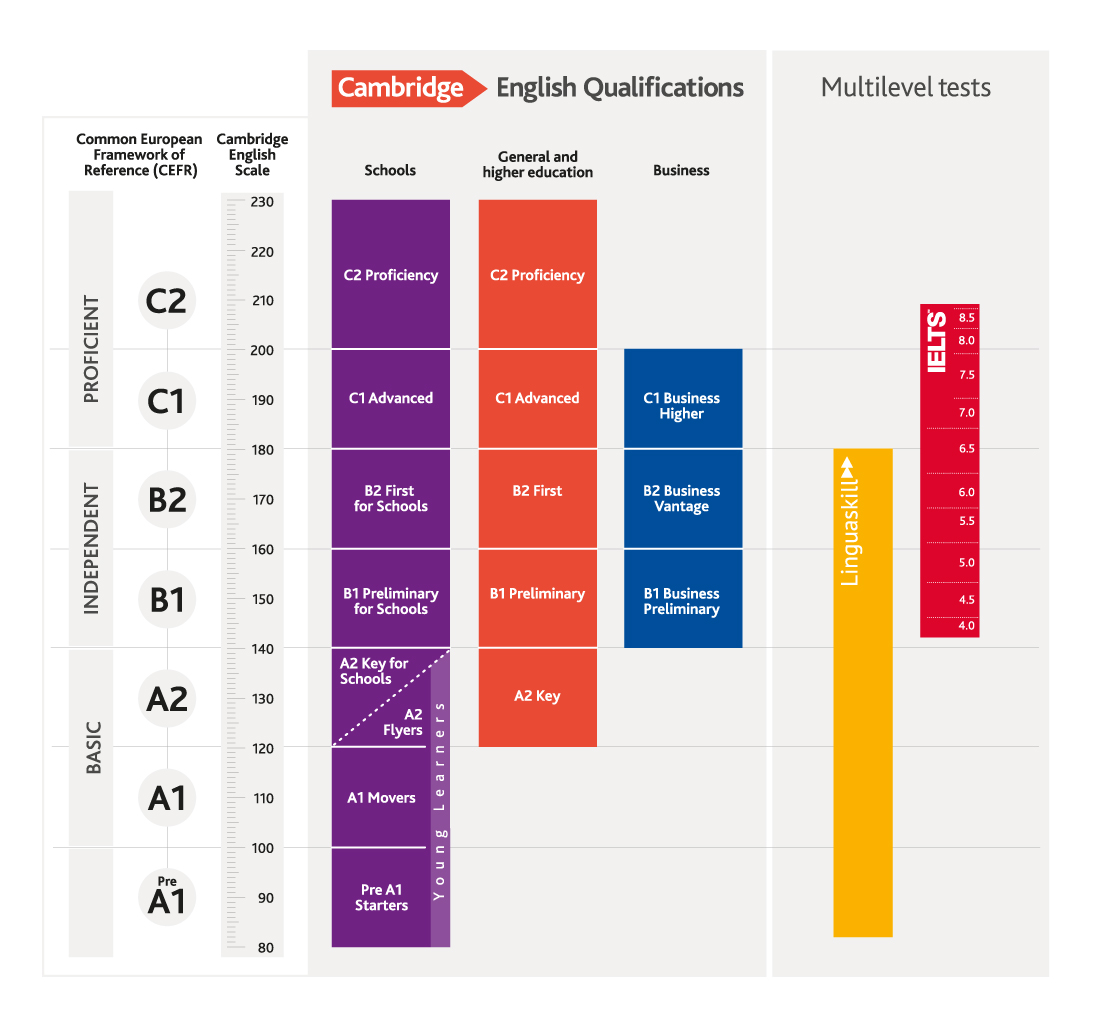
If you are a young learner, like an elementary school student or teenager, I suggest to learn with textbooks published by Cambridge, National Geographic Learning or Pearson. at the beginning you can learn words by topic, such as months and days in a week, fruits and vegetables, sports, animals, etc. Besides, you will have word lists about verb- ing form, plural noun, he/she/it + verb and past tense/ past participle of verbs. Flashcards and posters are very helpful here.
With textbooks you will learn idiomatic expressions with interesting materials, because you’ll practice listening, reading, speaking and writing systematically. But if you are want to check your vocabulary, or perhaps you don’t have too much time so that you had to memorize vocabularies faster but don’t how how to get a suitable word list. Here are some resources from Cambridge and Oxford. KET words(for KEY English, PDF file official link) and PET words (for Preliminary & Preliminary for schools, PDF file official link). If you are a B2 learner, I recommend Oxford 3000 (PDF file official link,) which is the list of the 3000 most important words to learn in English, from A1 to B2 level. Also you can use this site (https://www.oxfordlearnersdictionaries.com/wordlist/american_english/oxford3000/) to learn and check your B2 vocabulary learning. If you are a B2-C1 learner, the site would be: (https://www.oxfordlearnersdictionaries.com/wordlists/oxford3000-5000). If you are preparing for IELTS, TOEFL or other English proficiency tests, I think an official vocabulary book would be far better than most of words lists on the internet.
However, if you are a C2 learner, also we say an advanced learner, want to be proficient or master in English. There is not a standard vocabulary list at all, at least I haven’t find it yet. (To be honest, I have one PDF file with more than 700 pages). Personally I think, you could build your vocabulary by reading specific English materials such as literature books or academic materials, maybe Principle of Relativity. That’s a joke. Personally, I always read articles from economists and world economic forum websites.
Here are my paper dictionaries:
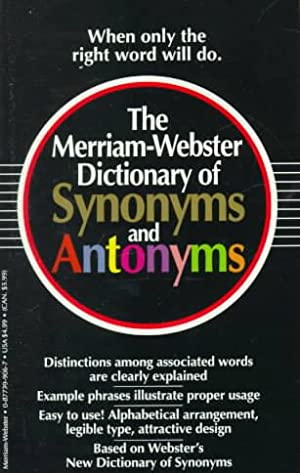
- The Merriam-Webster dictionary of synonyms and antonyms. (an very old book)
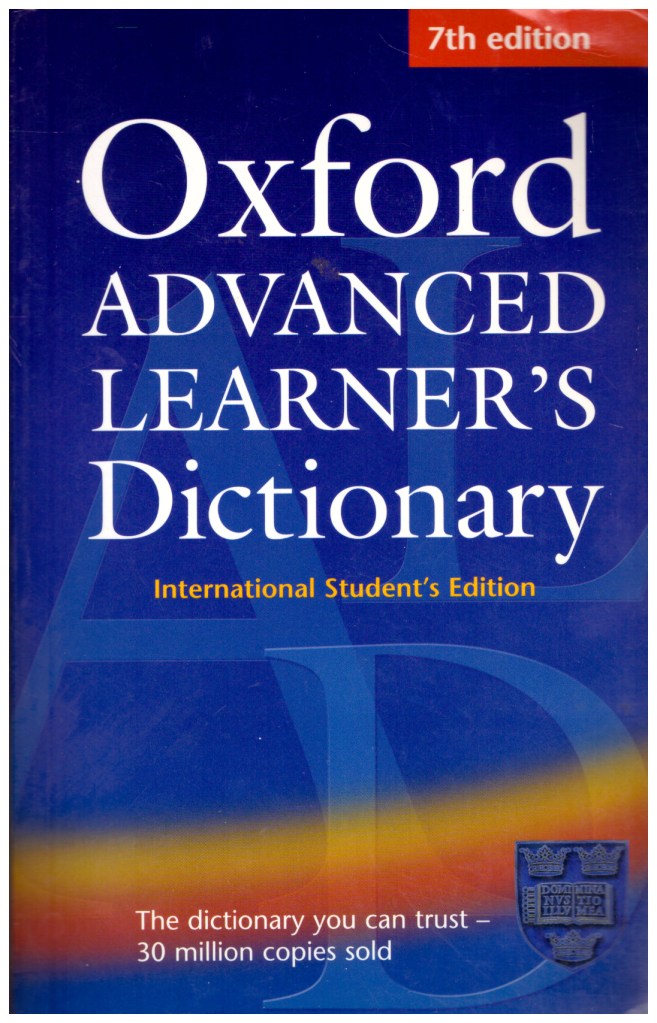
- Oxford Advanced Learners’ Dictionary. 7th. (I bought it several years ago.)
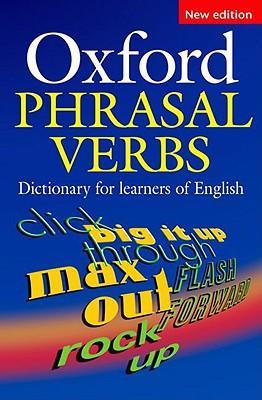
- Oxford Phrasal Verbs Dictionary.
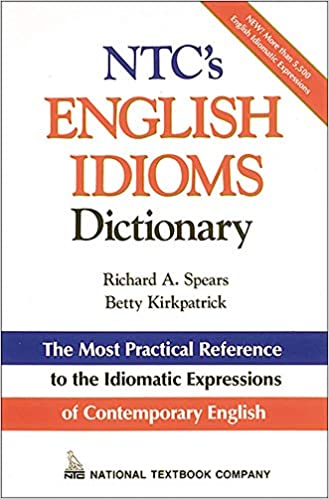
- NTC’s English Idioms Dictionary.
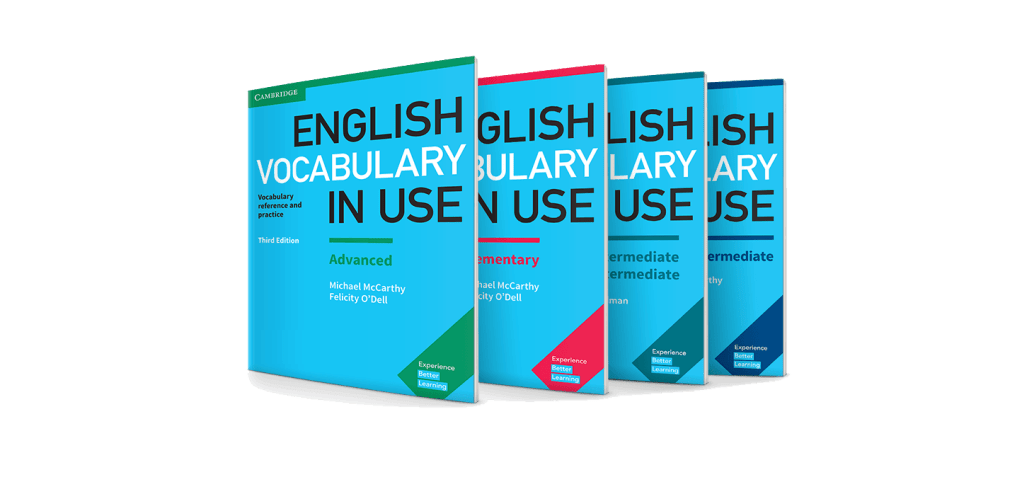
- English Vocabulary in Use and English Idioms in Use. (also English Collocations in Use )
In addition, The reason why I am making my sensory words list is I am learning English writing these days. I need to expand my descriptive words to make my sentences with more details so that I could write with accuracy and delicacy. A few days ago, I googled K12 ELA(English Language Arts) standards by grade level in some states, searched ELA writing assignments with exemplars and copied and save some vocabulary lists of academic words and spelling words. It was really a surprising day for me because I have been wondering how American students learning English for more than ten years. I have to say, the gap or differences between ELA learners and ESL learners are wide, too wide! When you just grab a thick dictionary you would never think about read or memorize all the words from A to Z! Because, for your proficiency test, there are an abundant of expressions which are unnecessary at all.



Leave a comment