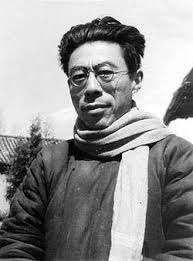
Section One
Red candle!
Such a red candle!
Poet!
Spit out your heart to compare, but the normal color?
Section Two
Red candle!
Who made the wax-for your body?
Who lighted the fire-lighted the soul?
Why is it necessary to burn the wax to ash before it emits light?
Mistake again and again
contradiction! conflict!
Section Three
Red candle!
No mistake, no mistake!
It was meant to “burn” out your light-this is the natural method.
Section Four
Red candle! Once made, burn it!
Burn it! Burn it!
Burn through the world’s dreams, boil the world’s blood-rescue their souls, and smash their prisons!
Section Five
Red candle!
When your heart is shining,
It was the day when the tears began.
Section Six
Red candle!
The craftsman made you for burning.
It’s already burning, why bother to cry? Oh! I see!
It’s the light of the remnant wind coming to invade you,
You shed tears in a hurry when the burning is unstable!
Section Seven
Red candle! Stop it!
How can you not flow?
Please keep your grease flowing to the world,
Cultivate flowers of comfort,
Fruit of happiness!
Section Eight
Red candle!
You shed a tear and Hui is distracted.
Disheartened and shed tears of your fruit,
Create your cause of light.
Section Nine
Red candle!
“Don’t ask about the harvest, but ask about the hard work.”
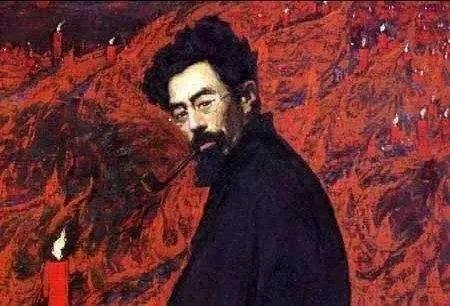
This poem uses red candles to convey emotions and aspirations. It is a typical poem that conveys aspirations to things. Some people will make a big fuss about the words of aspirations to things, and think it might be helpful for them to understand the poem. However, interpreting concepts blindly and rigidly cannot help oneself more effectively, because concepts are more rational and do not match perceptual literary works, and it is difficult to truly penetrate the poet’s heart.
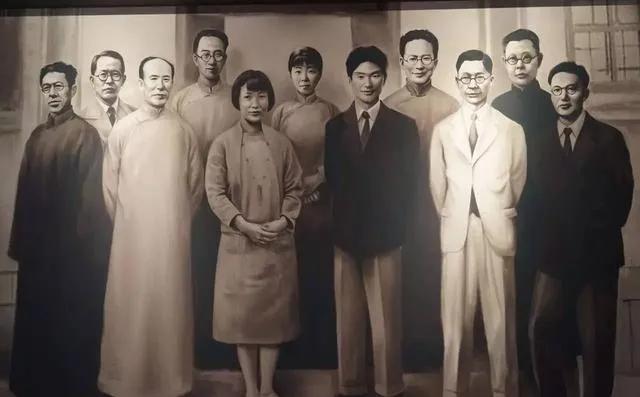
It’s like we eat a famous dish in a restaurant. If the chef talks about the knowledge of this dish next to you, such as the source of the material, the ingenious method, the unique flavor, the nutritional value, the social influence, etc., half an hour later, you still have Does the appetite taste it?
When learning “Red Candle”, we can use the following steps to understand this poem in depth.
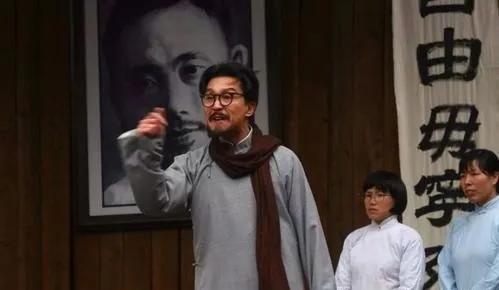
This is a hierarchical generalization.
The poem “Red Candle” is relatively long, and when I first read it, the levels are vague and chaotic.
You can pay attention to the beginning of this poem.
This poem is very special. At the beginning, it quoted a poem by Li Shangyin:
“The wax torch turns into ashes and the tears begin to dry.”
The protagonist of this poem is “wax torch”. The two results of wax torch are ashes and tears begin to dry, and then compressed, which can be summarized as “ash ashes” and “tears dry.”
Do these two words have anything to do with the content of the poem?
You may immediately find that the poem (2-4) is about “turning into ashes”, and the poem (5-7) is about “draining tears.”
In this way, the levels are basically divided. The whole poem can be divided into four sections, which is the structure of the total score:
1. (1) The color of the red candle.
2. (2—4) The red candle turns into gray.
3. (5–7) Red candle tears dry.
4. (8—9) Put forward hope.
But this kind of generalization has not gone deep into the text. You try to supplement the contents of the second and third parts so that you will study each verse more deeply.
When you ask yourself this way, you will find the words “why” and “why” appear in verses 2 to 4 and 5 to 7 respectively, indicating that the poet focuses on the reasons for “ashing up” and “drying tears.”
Therefore, the two main ideas are:
2 to 4, the reason why candles become ash.
5-7, the reason why the candle tears dry.
But is this a comprehensive summary?
Not yet.
In the second and third verses of the poem, there are two corresponding points, namely, “Mistaken again and again” and “No mistake, no mistake”.
What are you talking about?
It refers to the author’s cognitive development process of the “red candle” finally becoming gray. From this point of view, the most comprehensive summary of the second part should be:
The author’s cognitive development of the “red candle” finally turned into gray.
The same situation appears in Section 7:
“Since it’s burning, why bother to cry? Oh! I see!”
“Why bother” and “I know” also show that the author’s understanding of the dry red candle’s tears has developed.
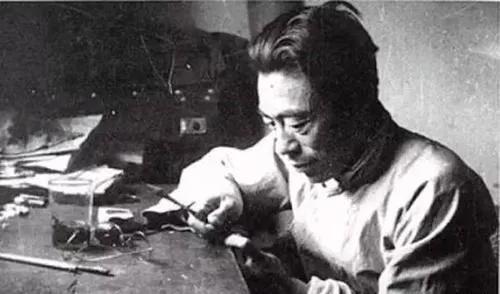
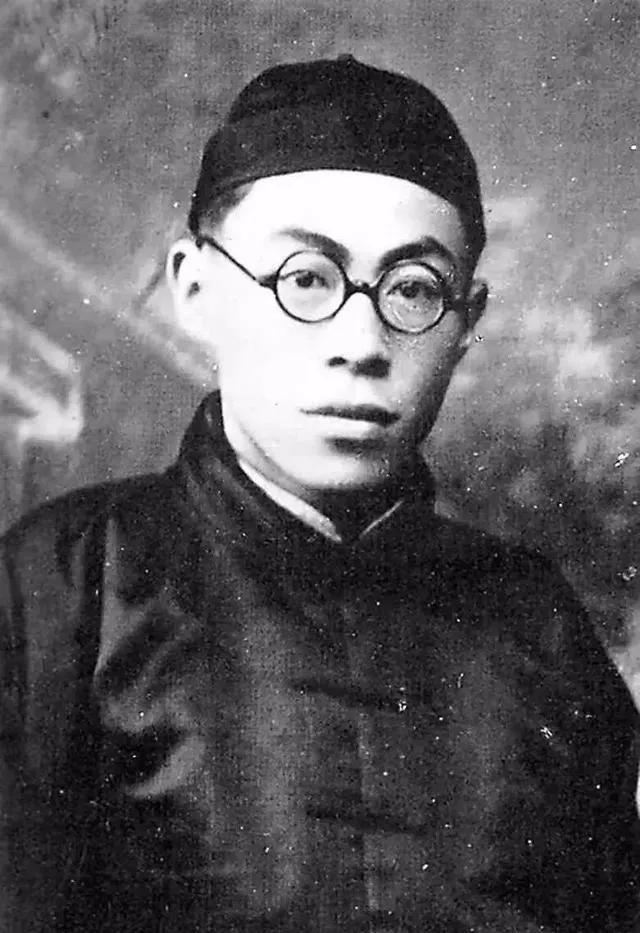
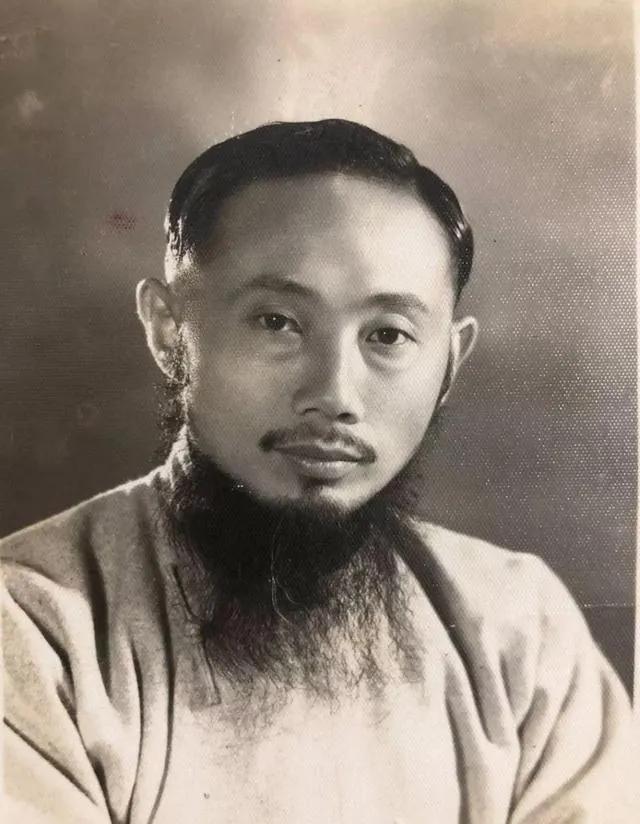
Through the analysis of the level summary, we can understand that Wen Yiduo’s writing of “Red Candle” does not stop at the general level of complimenting the red candle, but has made an in-depth analysis of the dedication spirit of the red candle to let people know It is so and knows why.
Just knowing what to do in life does not increase a person’s internal drive, but once you understand why, you will consciously turn the external drive into the internal drive, and then radiate more potential and willpower.
Use Google translation extension to read in other languages:
聞一多的詩學理論,主要在其所謂的「格律三美」、相體裁衣,以及強調意象中體現。所謂的「格律三美」,包含音樂美、繪畫美和建築美。
我們在教材以聞一多的《忘掉她》、《你莫怨我》兩首詩為例介紹聞一多詩學理論之外,另外選擇其著名的《紅燭》來說明聞一多詩學理論的體現:
《紅燭》原文:蠟炬成灰淚始乾——李商隱紅燭啊!
這樣紅的燭!
詩人啊!
吐出你的心來比比,
可是一般顏色?紅燭啊!
是誰制的蠟——給你軀體?
是誰點的火——點著靈魂?
為何更須燒蠟成灰,
然後才放光出?
一誤再誤;
矛盾!衝突!紅燭啊!
不誤,不誤!
原是要“燒”出你的光來——
這正是自然的方法;紅燭啊!
既制了,便燒著!
燒罷!燒罷!
燒破世人的夢,
燒沸世人的夢,
燒沸世人的血——
也救出他們的靈魂,
也搗破他們的監獄!
紅燭啊!
你心火發光之期,
正是淚流開始之日。
紅燭啊!
匠人造了你,
原是為燒的,
原是為燒的。
既已燒著,
又何苦傷心流淚?
哦!我知道了!
是殘風來侵你的光芒,
你燒得不穩時,
才著急得流淚!
紅燭啊!
流罷!你怎能不流呢?
請將你的脂膏,
不息地流向人間,
培出慰藉的花兒,
結成快樂的果子!
紅燭啊!
你流一滴淚,灰一分心。
灰心流淚你的成果,
創造光明你的原因。
紅燭啊
“莫問收穫,但問耕耘。”
評論:1. 意象詩:我們先介紹教材里在介紹聞一多詩學理論中比較少提到的“意象詩”的概念,而這正是《紅燭》最精彩的部分。我們隨後再說明其「格律三美」理論的體現。
i. 融合古典與現代。相對於五四時代的其他詩人大量以西方詩學為尚,聞一多是很重視中國古詩中的意象。《紅燭》以開頭破題,就一句“蠟炬成灰淚始乾——李商隱”,直接將詩人與古代做了連接,並且帶出了這首詩的主角“紅燭”;接著又開始以“紅燭”和“詩人”做直接的比對和連接,更強烈的“吐出你的心來比比,可是一般顏色?”,很強烈的結合古典與現代,將自己比喻為李商隱,同樣憂國憂民。 ii. 愛國意象。《紅燭》通篇要表述詩人自己的愛國熱情。但是,詩人假借紅燭的燃燒自己、照亮別人的意象,“莫問收穫,只問耕耘”,一副犧牲奉獻熱忱。 iii. 不斷堆砌的多種意象:(註1)一開始,詩人就以“吐出你的心來比比,可是一般顏色?”來直接質問自己與讀者,你可也有如李商隱一般的愛國之心?接著問你的身軀從何來?你為何要點著靈魂?更為何要燒成灰?,詩人陷入了矛盾、衝突的掙扎。接著,詩人自己給出了答案,“不誤,不誤!原是要“燒”出你的光來——”。然後,為何要燒呢?目的為何?,“燒破世人的夢,燒沸世人的夢,燒沸世人的血——,也救出他們的靈魂,也搗破他們的監獄!”這樣的燃燒自己是會痛苦的,“你心火發光之期,正是淚流開始之日。”、“是殘風來侵你的光芒,你燒得不穩時,才著急得流淚!”。而你如此的犧牲自己,是會有美好結果的,“培出慰藉的花兒,結成快樂的果子!”、“灰心流淚你的成果,創造光明你的原因。”
2. 音樂美:這首《紅燭》在音韻上就很適合朗誦,不僅是情緒上的時而低吟、時而提問、時而高昂,又做頓結,每一段結束,又是以“紅燭啊”再拉動一波情緒。音韻節奏節奏起伏。雖然是強調音韻的格律詩,有押韻,但是又很自由。體現了新詩在古典與自由之間活潑的風格。
3. 繪畫美:《紅燭》繪畫美,不是直接描述物體的顏色,而是很巧妙的融合了意象來呈現的。物體上的美,當然是“紅燭”、“ 火”、“ 血”等紅色主色,也有“灰”、“ 光芒”等配色,更以反復出現幾次用動詞的“燒”來強化視覺上與心靈上對紅色的意象。
4. 建築美:《紅燭》的建築美,最主要是體現在節奏、前後呼應的結構,例如重複句的使用。詩歌先以感歎句的首段開始,轉入以疑問句為主的次段,第三、四段的“不誤、不誤”、“燒吧、燒吧”整齊對照,也加快了音韻上的節奏,接著三句“燒破世人的夢,燒沸世人的夢,燒沸世人的血——”,兩句“也救出他們的靈魂,也搗破他們的監獄!”,和第五段的重複兩句“原是為燒的,原是為燒的。”,充滿了古典的格律和新詩自由融合的精神。《紅燭》在結構上,既有古典詩的格律的運用,也隨著意向的情緒,很自由的作每句、每段字數與行數的自由長短安排,體現了聞一多詩學理論中相體裁衣的主張。
https://min.news/en/culture/235f7525e8c46122f07b3d91105d29fc.html
http://literature-house.blogspot.com/2017/07/blog-post_29.html


Leave a comment