Chapter 13
plung: fall
vessel: a hollow container, especially one used to hold liquid, such as a bowl or cask.
Blood has four important functions.
- Blood carries oxygen from your lungs to all your body cells. Carbon dioxide diffuses from your body cells into your blood. Your blood carries carbon dioxide to your lungs to be exhaled.
- Blood carries waste products from your cells to your kidneys to be removed.
- Blood transports nutrients and other substances to your body cells.
- Cells and molecules in blood fight infections and help heal wounds.
Blood is a tissue made of plasma (PLAZ muh), red and white blood cells, and platelets (PLAYT luts).
The liquid part of blood, which is made mostly of water, is called plasma. It makes up more than half the volume of blood. Nutrients, minerals, and oxygen are dissolved in plasma so that they can be carried to body cells. Wastes from body cells also are carried in plasma.
Disk-shaped red blood cells are different from other cells in your body because they have no nuclei when they mature. They contain hemoglobin (HEE muh gloh bun, hemo means blood, and globin, means protein), which is a molecule that carries oxygen and carbon dioxide. Hemoglobin carries oxygen from your lungs to your body cells. Then it carries some of the carbon dioxide from your body cells back to your lungs. The rest of the carbon dioxide is carried in the cytoplasm of red blood cells and in plasma.
Red blood cells have a life span of about 120 days. They are made at a rate of 2 million to 3 million per second in the center of long bones, like the femur (bone) in your thigh (the part of the human leg between the hip and the knee.). Red blood cells wear out and are destroyed at about the same rate.
A cubic millimeter of blood, about the size of a grain of rice, has about 5 million red blood cells. In contrast, a cubic millimeter of blood has about 5,000 to 10,000 white blood cells. White blood cells fight bacteria, viruses, and other invaders of your body. They destroy bacteria and viruses and absorb dead cells. The life span of white blood cells varies from a few days to many months.
The capillary wall is a one-layer tissue so thin that gas and other items (eg oxygen, water, proteins and fats) can pass through them driven by pressure differences.
Platelets are irregularly shaped cell fragments that help clot blood. A cubic millimeter of blood can contain as many as 400,000 platelets. Platelets have a life span of five to nine days.
Platelets help stop bleeding. Platelets not only plug holes in small vessels, they also release chemicals that help form filaments (Latin word filum, which means “thread.”) of fibrin.
Fibrin, an insoluble protein that is produced in response to bleeding and is the major component of the blood clot.
Some people have a genetic condition called hemophilia (hee muh FIH lee uh, haima, meaning blood, and philia, meaning affection). Their plasma lacks one of the clotting factors that begins the clotting process. A minor injury can be a life-threatening problem for a person with hemophilia.
Blood Types and the Rh Factor
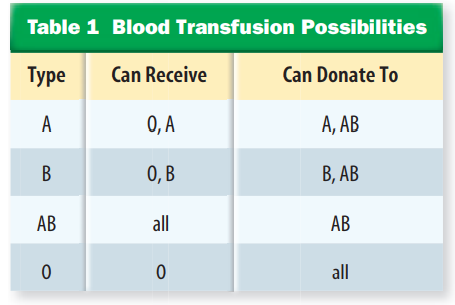
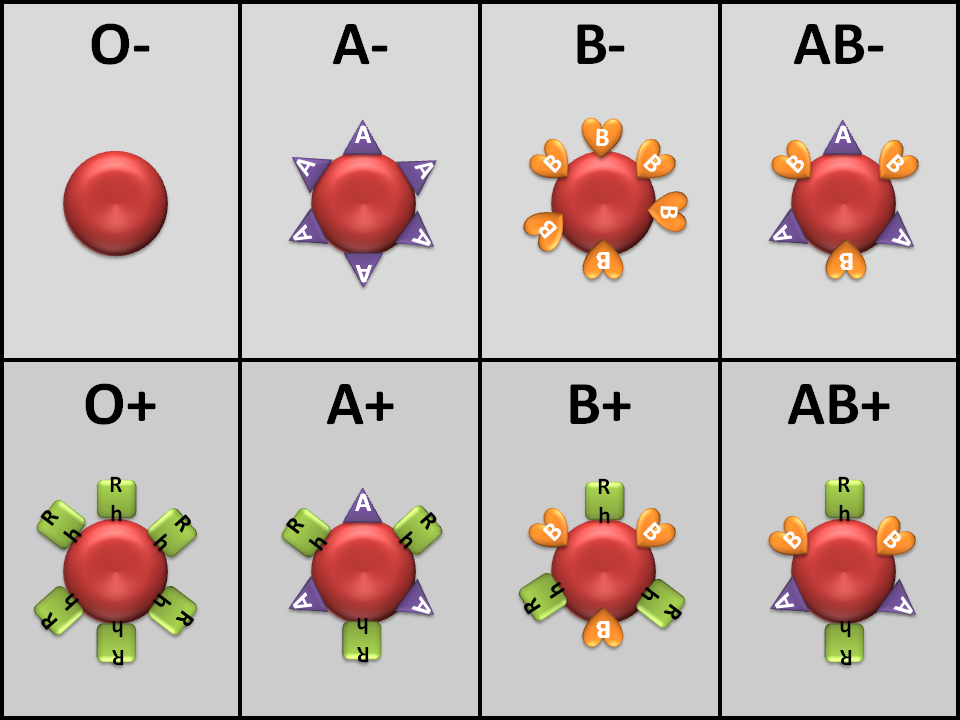
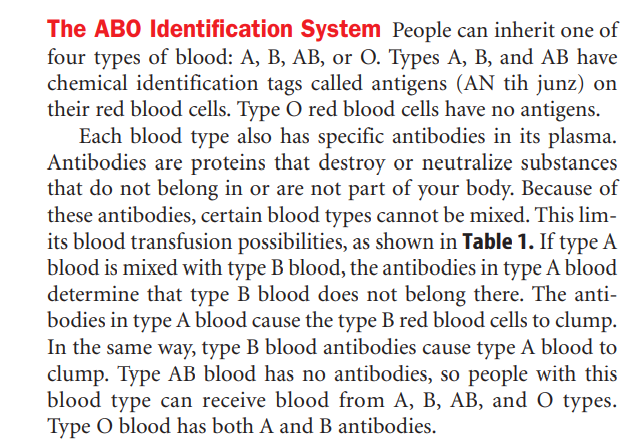
Anemia (uh NEE mee uh from latin, from an- ‘without’ + haima ‘blood’.). In this disease of red blood cells, body tissues can’t get enough oxygen and are unable to carry on their usual activities. Anemia has many causes. Sometimes, anemia is caused by the loss of large amounts of blood. A diet lacking iron or certain vitamins also might cause anemia. Still other types of anemia are inherited problems related to the structure of the red blood cells.
Leukemia (lew KEE mee uh, from Greek leukos ‘white’ + haima ‘blood’.) is a disease in which one or more types of white blood cells are made in excessive numbers. These cells are immature and do not fight infections well. These immature cells fill the bone marrow and crowd out the normal, mature cells. Then not enough red blood cells, normal white blood cells, and platelets can be made. Some types of leukemia affect children. Other kinds are more common in adults. Medicines, blood transfusions, and bone marrow transplants are used to treat this disease. If the treatments are not successful, the person will eventually die from related complications.
Your heart is an organ made of cardiac muscle tissue. It is located behind your breastbone, called the sternum, (from Greek sternon ‘chest’), and between your lungs. Your heart has four compartments (parts) called chambers. The two upper chambers are called the right atrium and left atrium (AY tree um from Latin ātrium “entry hall”). The two lower chambers are called the right ventricle and left ventricle (VEN trih kul, from Latin ventriculus, diminutive of venter ‘belly’.). A one-way valve separates each atrium from the ventricle below it. The blood flows from an atrium to a ventricle, then from a ventricle into a blood vessel. A wall between the two atriums or the two ventricles keeps blood rich in oxygen separate from blood low in oxygen.
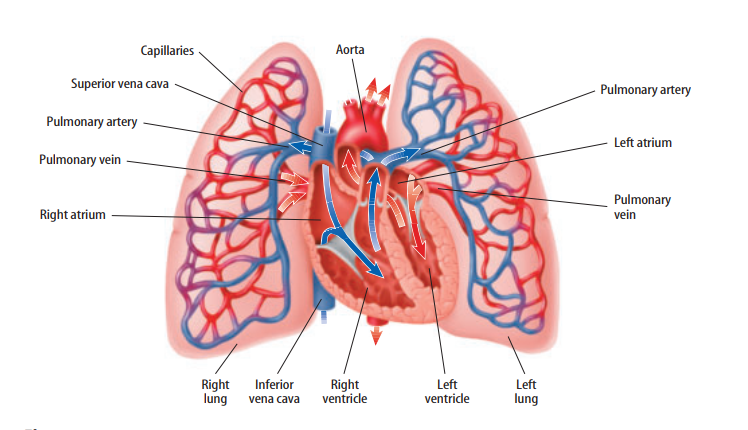
Scientists have divided the circulatory system into three sections—coronary (KOR uh ner ee) circulation, pulmonary (PUL muh ner ee) circulation, and systemic circulation.
Your heart has its own blood vessels that supply it with nutrients and oxygen and remove wastes. Coronary circulation is the flow of blood to and from the tissues of the heart. When the coronary circulation is blocked, oxygen and nutrients cannot reach all the cells of the heart. This can result in a heart attack.
The flow of blood through the heart to the lungs and back to the heart is called pulmonary (Latin pulmonarius, from pulmo, pulmon- ‘lung’) circulation. The blood returning from the body through the right side of the heart and to the lungs contains cellular wastes. The wastes include molecules of carbon dioxide and other substances. In the lungs, gaseous wastes diffuse out of the blood, and oxygen diffuses into the blood. Then the blood returns to the left side of the heart. In the final step of pulmonary circulation, the oxygen-rich blood is pumped from the left ventricle into the aorta (ay OR tuh), the largest artery in your body. From there, the oxygen-rich blood flows to all parts of your body.
Oxygen-rich blood moves to all of your organs and body tissues, except the heart and lungs, and oxygen-poor blood returns to the heart by a process called systemic circulation. Systemic circulation is the largest of the three sections of your circulatory system. Oxygen-rich blood flows from your heart in the arteries of this system. Then nutrients and oxygen are delivered by blood to your body cells and exchanged for carbon dioxide and wastes. Finally, the blood returns to your heart in the veins of the systemic circulation system.
Arteries are blood vessels that carry blood away from the heart. Arteries have thick, elastic walls made of connective tissue and smooth muscle tissue. The blood vessels that carry blood back to the heart are called veins. Veins have one-way valves that keep blood moving toward the heart. If blood flows backward, the pressure of the blood against the valves causes them to close. Blood flow in veins also is helped by your skeletal muscles. When skeletal muscles contract, this action squeezes veins and helps blood move toward the heart. The walls of capillaries are only one cell thick. Nutrients and oxygen diffuse into body cells from capillaries. Waste materials and carbon dioxide diffuse from body cells into the capillaries.
The force of the blood on the walls of the blood vessels is called blood pressure. This pressure is highest in arteries and lowest in veins. When you take your pulse, you can feel the waves of pressure.
One leading cause of heart disease is called atherosclerosis (ah thur oh skluh ROH sus, Greek word “athero”, meaning gruel or paste, and sclerosis, meaning hardening, and “osis” is a Greek suffix that describes a diseased condition). In this condition, fatty deposits build up on arterial walls. Atherosclerosis can occur in any artery in the body, but fatty deposits in coronary arteries are especially serious. If a coronary artery is blocked, a heart attack can occur. Open-heart surgery then might be needed to correct the problem.
Blood pressure is measured using a blood pressure cuff and a stethoscope ( from Greek stēthos ‘breast’ + skopein ‘look at’).
Another condition of the cardiovascular system is called hypertension (hi pur TEN chun), or high blood
pressure. When blood pressure is higher than normal most of the time, the heart must work harder to keep blood flowing. One cause of hypertension is atherosclerosis. A clogged artery can increase pressure within the vessel, causing the walls to become stiff and hard. The artery walls no longer contract (shrink) and dilate (make or become wider, larger, or more open.) easily because they have lost their elasticity (rubberiness).
Your body’s tissue fluid is removed by the lymphatic (lihm FA tihk) system. The nutrient, water, and oxygen molecules in blood diffuse through capillary walls to nearby cells. Water and other substances become part of the tissue fluid that is found between cells. This fluid is collected and returned to the blood by the lymphatic system.
After tissue fluid diffuses into the lymphatic capillaries, it is called lymph (LIHMF). In addition to water and dissolved substances, lymph contains lymphocytes (LIHM fuh sites lympho- “lymph” (see lymph) + -cyte “a cell.”), a type of white blood cell. Lymphocytes help defend your body against disease-causing organisms. If the lymphatic system is not working properly, severe swelling occurs because the tissue fluid cannot get back to the blood.
Your lymphatic system carries lymph through a network of lymph capillaries and larger lymph vessels. Then, the lymph passes through lymph nodes (a point at which lines or pathways intersect or branch; a central or connecting point), which are bean-shaped organs found throughout the body. Lymph nodes filter out microorganisms and foreign materials that have been taken up by lymphocytes. After it is filtered, lymph enters the bloodstream through large veins near the neck. No heartlike structure pumps the lymph through the lymphatic system. The movement of lymph depends on the contraction of smooth muscles in lymph vessels and skeletal muscles. Lymphatic vessels, like veins, have valves that keep lymph from flowing backward.
immunity: the ability of an organism to resist a particular infection or toxin by the action of specific antibodies or sensitized white blood cells.
Its first-line defenses work against harmful substances and all types of disease-causing organisms, called pathogens (PA thuh junz). Your second-line defenses are specific and work against specific pathogens. This complex group of defenses is called your immune system.
pathogen: from the Greek pathos (suffering) and genesis (origin of). A bacterium, virus, or other microorganism that can cause disease.
Your skin and respiratory, digestive, and circulatory systems are first-line defenses against pathogens. The skin is a barrier that prevents many pathogens from entering your body. However, pathogens can get into your body easily through a cut or through your mouth and the membranes in your nose and eyes. The conditions on the skin can affect pathogens. Perspiration (the process of sweating) contains substances that can slow the growth of some pathogens. At times, secretions (the process by which an animal or plant produces and releases a liquid, or the liquid produced) from the skin’s oil glands (an organ in the human or animal body which secretes particular chemical substances for use in the body or for discharge into the surroundings) and perspiration are acidic. Some pathogens cannot grow in this acidic environment.
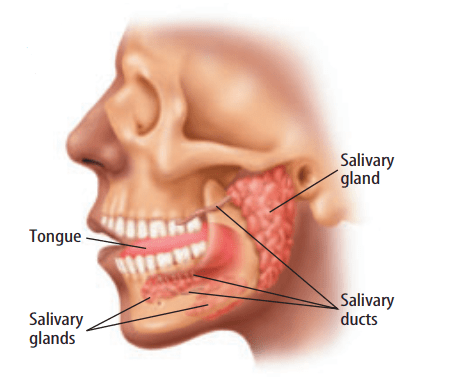
Your respiratory system traps pathogens with hairlike structures, called cilia (SIH lee uh), and mucus (slime). Mucus contains an enzyme that weakens the cell walls of some pathogens. When you cough or sneeze, you get rid of some of these trapped pathogens. Your digestive system has several defenses against pathogens—saliva, enzymes, hydrochloric acid solution, and mucus. Saliva in your mouth contains substances that kill bacteria. Also, enzymes (EN zimez) in your stomach, pancreas, and liver help destroy pathogens. Hydrochloric acid solution your stomach helps digest your food. It also kills some bacteria and stops the activity of some viruses that enter your body on the food that you eat. The mucus found on the walls of your digestive tract contains a chemical that coats bacteria and prevents them from binding to the inner lining of your digestive organs.
Your circulatory system contains white blood cells that surround and digest foreign organisms and chemicals. These white blood cells constantly patrol your body, sweeping up and digesting bacteria that invade.
When tissue is damaged or infected by pathogens, it can become inflamed—becomes red, feels warm, swells, and hurts. Chemicals released by damaged cells expand capillary walls, allowing more blood to flow into the area. Other chemicals released by damaged tissue attract certain white blood cells that surround and take in pathogenic bacteria. If pathogens get past these first-line defenses, your body uses another line of defense called specific immunity.
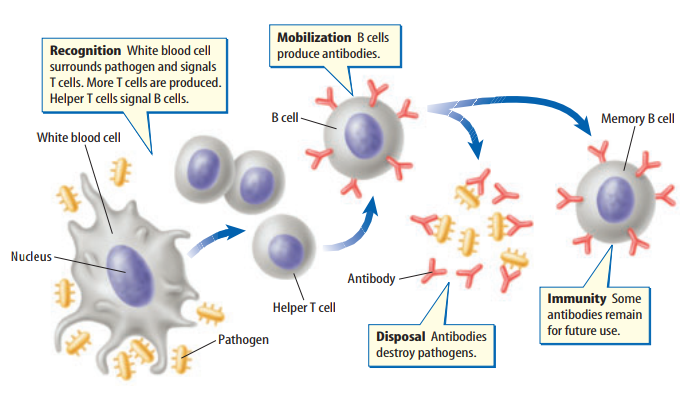
antigen: a substance that causes the body’s immune system (= the system for fighting infections) to react, especially by producing antibodies (= proteins that attack harmful bacteria, viruses, etc.)
When your body fights disease, it is battling complex molecules called antigens that don’t belong there.
Antigens can be separate molecules or they can be found on the surface of a pathogen.
When your immune system recognizes foreign molecules, special lymphocytes called T cells respond. One
type of T cells, called killer T cells, releases enzymes that help destroy invading foreign matter. Another type of T cells, called helper T cells, turns on the immune system. They stimulate (to encourage something to grow, develop, or become active) other lymphocytes, known as B cells (Memory B cells remain in the blood, ready to defend against an invasion by that same pathogen at another time), to form antibodies. An antibody is a protein made in response to a specific antigen. The antibody attaches to the antigen and makes it useless.
In active immunity your body makes its own antibodies in response to an antigen. Passive immunity results when antibodies that have been produced in another animal are introduced into your body.
Some antibodies stay on duty in your blood, and more are produced rapidly if the pathogen enters your body again. Because of this defense system, you usually don’t get certain diseases, such as chicken pox, more than once.
Another way to develop active immunity to a disease is to be inoculated with a vaccine. The process of giving a vaccine by injection or by mouth is called vaccination. A vaccine is a form of the antigen that gives you active immunity against a disease.
vaccine: from Latin vaccinus, from vacca ‘cow’ (because of the early use of the cowpox virus against smallpox).
hepatitis: from the Ancient Greek word ‘hepar’ meaning ‘liver’, and the Latin ‘itis’ meaning inflammation.
varicella: it’s closely related to variola, “chickenpox” or “smallpox.”
pneumococcal: inflammation of the tissues of the lungs.
mold spores: the spores are invisible to the naked eye and float through outdoor and indoor air.
A mold (US, PH) or mould is one of the structures certain fungi can form. A spore is a cell that certain fungi, plants (moss, ferns), and bacteria produce.
The French chemist Louis Pasteur learned that microorganisms cause disease in humans. Pasteur discovered that microorganisms could spoil wine and milk. He then realized that microorganisms could attack the human body in the same way. Pasteur invented pasteurization (pas chuh ruh ZAY shun), which is the process of heating a liquid to a temperature that kills most bacteria.
| Bacteria | Tetanus, tuberculosis, typhoid fever, strep throat, bacterial pneumonia, plague |
| Protists | Malaria, sleeping sickness |
| Fungi | Athlete’s foot, ringworm |
| Viruses | Colds, influenza, AIDS, measles, mumps, polio, smallpox, SARS |
antibiotics
Pathogenic protists, such as the organisms that cause malaria, can destroy tissues and blood cells or interfere with normal body functions.
Malaria is a life-threatening disease caused by parasites that are transmitted to people through the bites of infected female Anopheles mosquitoes.
A disease that is caused by a virus, bacterium, protist, or fungus and is spread from an infected organism or the environment to another organism is called an infectious disease.
contaminated objects: having been made impure by exposure to or addition of a poisonous or polluting substance.
Washing their skin and his hands with carbolic (kar BAH lihk) acid, which is a liquid that kills pathogens.
Carbolic acid: a very poisonous chemical substance made from tar and also found in some plants and essential oils (scented liquid taken from plants).
inoculated: immunize (someone) against a disease by introducing infective material, microorganisms, or vaccine into the body.
Infectious diseases that are passed from person to person during sexual contact are called sexually transmitted diseases (STDs). STDs are caused by bacteria or viruses.
Gonorrhea (gah nuh REE uh), chlamydia (kluh MIH dee uh), and syphilis (SIH fuh lus) are STDs caused by bacteria. Antibiotics are used to treat these diseases. If they are untreated, gonorrhea and chlamydia can leave a person sterile (not able to produce children or young) because the reproductive organs can be damaged permanently. Untreated syphilis can infect cardiovascular and nervous systems, resulting in damage to body organs that cannot be reversed. Genital herpes, a lifelong viral disease, causes painful blisters on the sex organs. This type of herpes can be transmitted during sexual contact or from an infected mother to her child during birth. Herpes has no cure, and no vaccine can prevent it. However, the symptoms of herpes can be treated with antiviral medicines.
Human immunodeficiency virus (HIV) can exist in blood and body fluids. This virus can hide in body cells, sometimes for years.
sterile needle: needle which is free from bacteria or other living microorganisms; totally clean.
placenta: a flattened circular organ in the uterus of pregnant eutherian mammals, nourishing and maintaining the fetus through the umbilical cord.
dental floss
antiseptic
susceptible
immunizations
bowel
mole and wart
Diseases and disorders such as diabetes, allergies, asthma, cancer, and heart disease are noninfectious diseases. They are not spread from one person to another. Many are chronic (KRAH nihk). This means that they can last for a long time. Although some chronic diseases can be cured, others cannot.
Substances that cause an allergic response are called allergens. Dust can contain cat and dog dander and dust mites. When you come in contact with an allergen, your immune system usually forms antibodies. Your body reacts by releasing chemicals called histamines (HIHS tuh meenz) that promote red, swollen tissues. Antihistamines are medications that can be used to treat allergic reactions and asthma, a lung disorder associated with reactions to allergens.
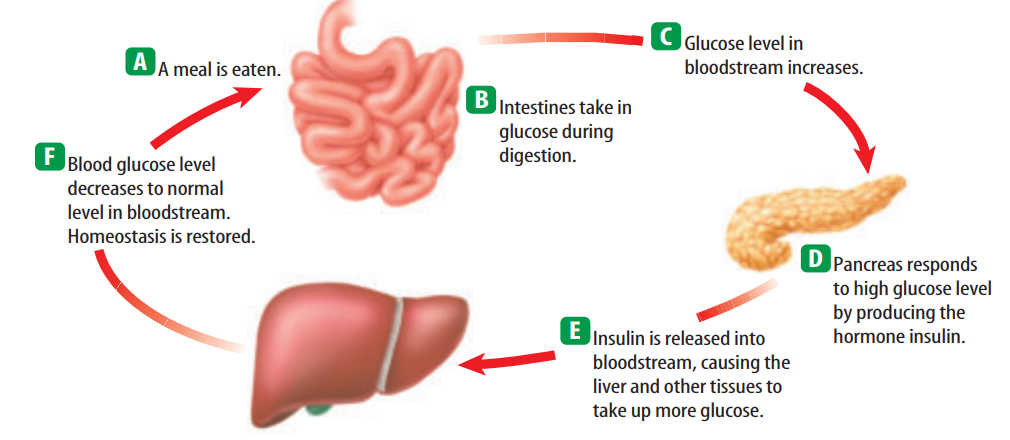
A chronic disease associated with the levels of insulin produced by the pancreas is diabetes. Insulin is a hormone that enables glucose to pass from the bloodstream into your cells. Symptoms of diabetes include fatigue, excessive thirst, frequent urination, and tingling sensations in the hands and feet. If glucose levels in the blood remain high for a long time, other health problems can develop. These problems can include blurred vision, kidney failure, heart attack, stroke, loss of feeling in the feet, and the loss of consciousness (diabetic coma).
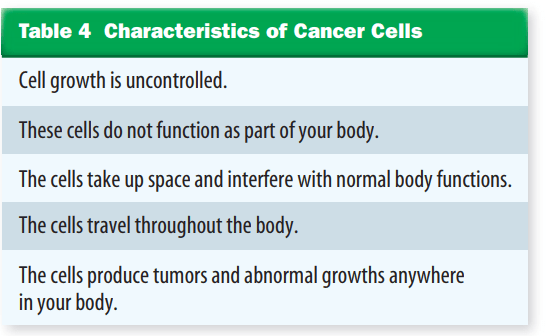
The name given to a group of closely related diseases that result from uncontrolled cell growth is cancer. Exposure to certain chemicals also can increase your chances of developing cancer. These substances, called carcinogens (kar SIH nuh junz), include asbestos, various solvents, heavy metals, alcohol, and home and garden chemicals. Exposure to X rays, nuclear radiation, and ultraviolet radiation of the Sun also increases your risk of cancer.
prick
stabbing victim
stitch
Chapter 14
Nutrients are substances in food that provide energy and materials for cell development, growth, and repair.
An enzyme is a type of protein that speeds up the rate of a chemical reaction in your body. Enzymes also help speed up chemical reactions responsible for building your body. They are involved in the energy-releasing activities of your muscle and nerve cells. Enzymes also aid in the blood-clotting process. Without enzymes, the chemical reactions in your body would happen too slowly for you to exist.
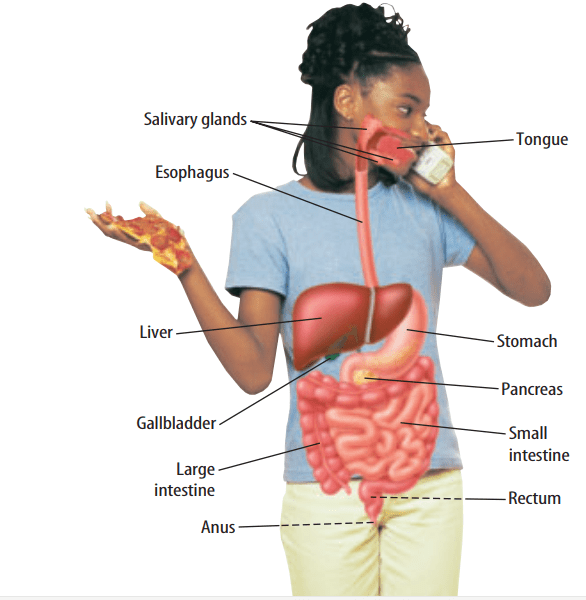
epiglottis: a flap of cartilage at the root of the tongue, which is depressed during swallowing to cover the opening of the windpipe.
Your esophagus (sometimes called the gullet, from the roots oisein, meaning to carry, and phagein, meaning to eat.)is a muscular tube about 25 cm long.
Peristalsis (per uh STAHL sus), a series of wave-like muscle contractions that move food through the digestive tract.
pepsin: the chief digestive enzyme in the stomach, which breaks down proteins into polypeptides.
Food is changed in the stomach into a thin, watery liquid called chyme (KIME). Slowly, chyme moves out of your stomach and into your small intestine.
The small intestine is small in diameter, but it measures 4 m to 7 m in length. As chyme leaves your stomach, it enters the first part of your small intestine, called the duodenum (doo AH duh num). Most digestion takes place in your duodenum. Here, bile—a greenish fluid from the liver—is added.
Bile breaks up the large fat particles, similar to the way detergent breaks up grease.
bicarbonate
Absorption of digested food takes place in the small intestine. The wall of the small intestine has many ridges and folds that are covered with fingerlike projections called villi (VIH li). Villi increase the surface area of the small intestine, which enables a greater amount of nutrients to be absorbed. Nutrients move into blood vessels within the villi. From here, blood transports the nutrients to all cells of your body. Peristalsis moves the remaining undigested and unabsorbed materials slowly into the large intestine.
When the chyme enters the large intestine, it is still a thin, watery mixture. The large intestine absorbs water from the undigested mass, which helps maintain homeostasis (hoh mee oh STAY sus). Peristalsis usually slows down in the large intestine. After the excess water is absorbed, the remaining undigested materials become more solid. Muscles in the rectum,which is the last section of the large intestine, and the anus control the release of semisolid wastes from the body in the form of feces (FEE seez).
The bacteria in your large intestine feed on undigested material like cellulose and make vitamins you need—vitamin K and two B vitamins. Vitamin K is needed for blood clotting. The two B vitamins, niacin and thiamine, are important for your nervous system and for other body functions. Bacterial action also converts bile pigments into new compounds. The breakdown of intestinal materials by bacteria produces gas.
Food is processed in four stages—ingestion, digestion, absorption, and elimination.
Six kinds of nutrients are available in food—proteins, carbohydrates, fats, vitamins, minerals, and water.
Proteins, carbohydrates, vitamins, and fats all contain carbon and are called organic nutrients. Inorganic nutrients, such as water and minerals, do not contain carbon. Foods containing carbohydrates, fats, and proteins need to be digested or broken down before your body can use them. Water, vitamins, and minerals don’t require digestion and are absorbed directly into your bloodstream.
A molecule of protein is made up of a large number of smaller units, or building blocks, called amino acids. Meats, poultry, eggs, fish, peas, beans, and nuts are all rich in protein. Most of these amino acids can be made in your body’s cells, but eight of them cannot. These eight ( leucine, isoleucine, lysine, methionine, phenylalanine, threonine, tryptophan, and valine) are called essential amino acids. They have to be supplied by the foods you eat. If you are a vegetarian, you can get all of the essential amino acids by eating a wide variety of protein-rich vegetables, fruits, and grains.
Carbohydrates (kar boh HI drayts) usually are the main sources of energy for your body. Three types of carbohydrates are sugar, starch, and fiber. Sugars are called simple carbohydrates. You’re probably most familiar with table sugar. However, fruits, honey, and milk also contain forms of sugar. Your cells break down glucose, a simple sugar. The other two types of carbohydrates—starch and fiber— are called complex carbohydrates. Starch is found in potatoes and foods made from grains such as pasta. Starches are made up of many simple sugars. Fiber, such as cellulose, is found in the cell walls of plant cells. Foods like whole-grain breads and cereals, beans, peas, and other vegetables and fruits are good sources of fiber. Because different types of fiber are found in foods, you should eat a variety of fiber-rich plant foods. You cannot digest fiber, but it is needed to keep your digestive system running smoothly.
Fats, also called lipids, are necessary because they provide energy and help your body absorb vitamins. Fat tissue cushions your internal organs. A major part of every cell membrane is made up of a type of fat. Fats are classified as unsaturated or saturated based on their chemical structure. Unsaturated fats are usually liquid at room temperature. Vegetable oils as well as fats found in seeds, and oily fish are unsaturated fats. Saturated fats are found in meats, animal products, and some plants and are usually solid at room temperature. Saturated fats have been associated with high levels of blood cholesterol (from the Ancient Greek chole- (bile) and stereos (solid), followed by the chemical suffix -ol for an alcohol.). A diet high in cholesterol can result in deposits forming on the inside walls of blood vessels. These deposits can block the blood supply to organs and increase blood pressure. This can lead to heart disease and strokes.
Vitamins, from Latin vīta (“life”) (see vital) + amine (see amino acids), are organic nutrients needed in small quantities for growth, regulating body functions, and preventing some diseases. Vitamins are classified into two groups. Some vitamins dissolve easily in water and are called water-soluble vitamins. They are not stored by your body so you have to consume them daily. Other vitamins dissolve only in fat and are called fat-soluble vitamins. These vitamins are stored by your body. Although you eat or drink most vitamins, some are made by your body. Vitamin D is made when your skin is exposed to sunlight. Recall that vitamin K and two of the B vitamins are made in your large intestine with the help of bacteria that live there.
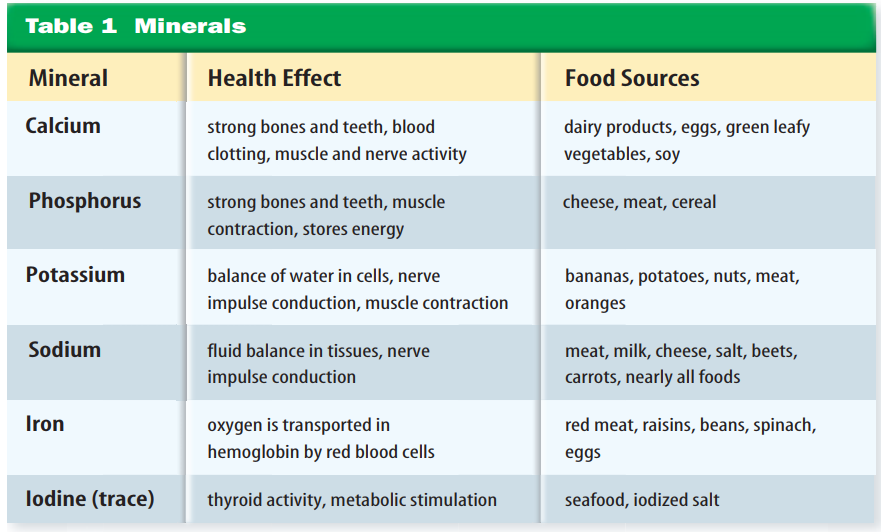
The inorganic nutrients that lack carbon and regulate many chemical reactions in your body are called minerals. Of about 14 minerals that your body uses, calcium and phosphorus are used in the largest amounts for a variety of body functions. Some minerals, called trace minerals, are required only in small amounts. Copper and iodine usually are listed as trace minerals.
Next to oxygen, water is the most important factor for the survival of all organisms. You could live for a few weeks without food but for only a few days without water because your cells need water to carry out their work. Most of the nutrients can’t be used by your body unless they are carried in a solution. This means that they have to be dissolved in water. In cells, chemical reactions take place in solutions. To replace water lost each day, you need to drink about 2 L of liquids.
Drinking water satisfies your thirst and usually restores the body’s homeostasis. Recall that homeostasis is the regulation of the body’s internal environment, such as temperature and amount of water.
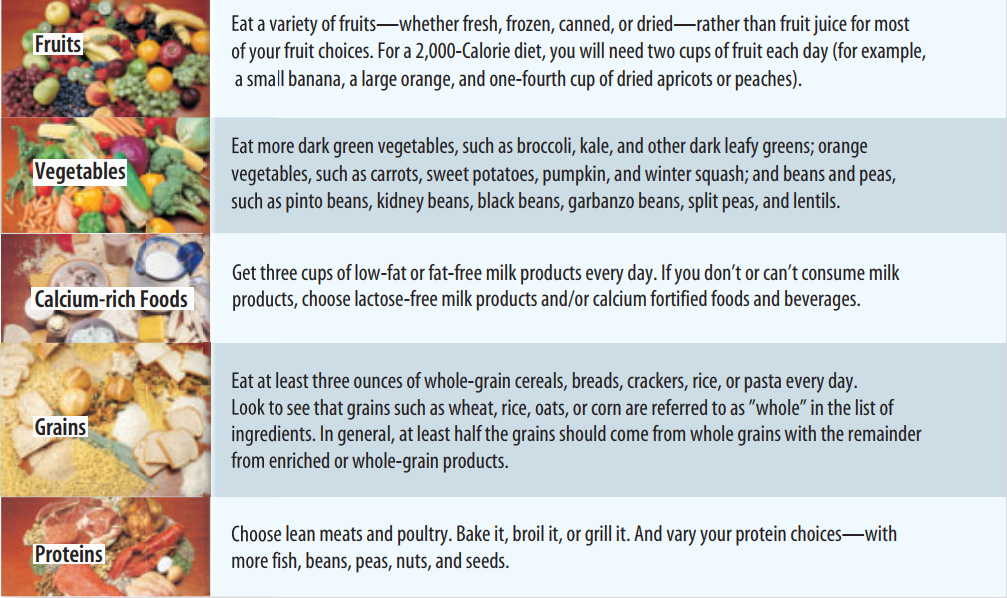
250 grams are equal to 1 cup according to the metric system.
A tincture is typically an extract of plant or animal material dissolved in ethanol (ethyl alcohol).
tincture of iodine
Vitamin C is a well-known antioxidant and will convert iodine back to iodide. If it is combined with iodide and added to a solution of starch and hydrogen peroxide, it will immediately react with the iodine that is formed and prevent it from reacting with the starch.
People often confuse the terms breathing and respiration.
Breathing is the movement of the chest that brings air into the lungs and removes waste gases. The air entering the lungs contains oxygen. It passes from the lungs into the circulatory system because there is less oxygen in blood when it enters the lungs
than in cells of the lungs.
Blood carries glucose from digested food and oxygen to individual cells. In cells, they are raw materials for a series of chemical reactions called cellular respiration.
Without oxygen, cellular respiration cannot occur. Cellular respiration results in the release of energy from glucose. Water and carbon dioxide are waste products of cellular respiration. Blood carries them back to the lungs. Exhaling, or breathing out, eliminates waste carbon dioxide and some water molecules.
Air enters your body through two openings in your nose called nostrils or through the mouth. Fine hairs inside the nostrils trap particles from the air. Air then passes through the nasal cavity, where it gets moistened and warmed. Glands that produce sticky mucus line the nasal cavity. The mucus traps particles that were not trapped by nasal hairs. This process helps filter and clean the air you breathe. Tiny, hairlike structures, called cilia (SIH lee uh), sway back and forth and sweep mucus and trapped material to the back of the throat where it can be swallowed.

thyroid cartilage: from Greek (khondros) thureoeidēs ‘shield-shaped (cartilage)’, cartilage, a firm, elastic, flexible type of connective tissue.
pharynx: from Greek, throat.
larynx: from Greek, lárunx, “larynx; windpipe; gullet, throat”. The larynx (LER ingks) is the airway to which two pairs of horizontal folds of tissue, called vocal cords, are attached. Forcing air between the cords causes them to vibrate and produce sounds. When you speak, muscles tighten or loosen your vocal cords, resulting in different sounds.
trachea: commonly known as the windpipe, is a tube about 4 inches long and less than an inch in diameter in most people. The trachea begins just under the larynx (voice box) and runs down behind the breastbone (sternum). Strong, C-shaped rings of cartilage prevent the trachea from collapsing. It is lined with mucous membranes and cilia (hairlike structures). The trachea then divides into two smaller tubes called bronchi: one bronchus for each lung.The smallest tubes are called bronchioles (BRAHN kee ohlz). At the end of each bronchiole are clusters of tiny, thin-walled sacs called alveoli (al VEE uh li, from Latin, small hollow.) (singular, alveolus). Any of the many tiny air sacs of the lungs which allow for rapid gaseous exchange. The walls of the alveoli and capillaries are only one cell thick.
Inhaling and Exhaling. Your diaphragm (DI uh fram, from Greek, dia ‘through, apart’ + phragma ‘a fence’.), located below the lungs, is the major muscle of respiration, contracts and relaxes, changing the volume of the chest, which helps move gases into and out of your lungs.
dislodge: remove or drive from a resting place.
The chemical substances in tobacco—nicotine and tars—are poisons and can destroy cells.
Smoking, polluted air, coal dust, and asbestos (as BES tus, a naturally occurring fibrous silicate mineral.) have been related to respiratory problems such as asthma (AZ muh), bronchitis (brahn KI tus, an infection of the main airways of the lungs (bronchi)), emphysema (em fuh SEE muh, a lung condition that causes shortness of breath), and cancer.
The cold virus also can cause irritation and swelling in the larynx, trachea, and bronchi. The cilia that line the trachea and bronchi can be damaged. However, cilia usually heal rapidly.
chronic (KRAH nihk): (of an illness) persisting for a long time or constantly recurring.
A disease in which the alveoli in the lungs enlarge is called emphysema (from Greek, means “swelling, inflation”). When cells in the alveoli are reddened and swollen, an enzyme is released that causes the walls of the alveoli to break down. As a result, alveoli can’t push air out of the lungs, so less oxygen moves into the bloodstream from the alveoli. When blood becomes low in oxygen and high in carbon dioxide, shortness of breath occurs.
A carcinogen is a substance, organism or agent capable of causing cancer.
Shortness of breath, wheezing, or coughing can occur in a lung disorder called asthma. When a person has an asthma attack, the bronchial tubes contract quickly. Inhaling medicine that relaxes the bronchial tubes is the usual treatment for an asthma attack. Asthma can be an allergic reaction. An allergic reaction occurs when the body overreacts to a foreign substance. An asthma attack can result from breathing certain substances such as cigarette smoke or certain plant pollen, eating certain foods, or stress in a person’s life.
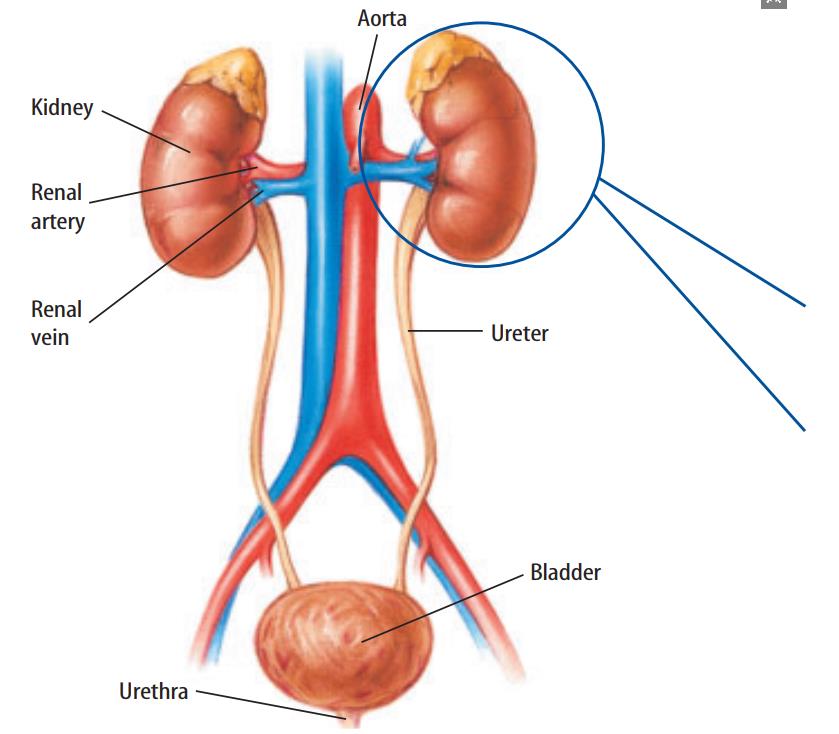
The urinary, digestive, and respiratory systems, and the skin, make up the excretory system.
excrete: (of a living organism or cell) separate and expel as waste (a substance, especially a product of metabolism).
The urinary system rids the blood of wastes produced by the cells. It controls blood volume by removing excess water produced by body cells during cellular respiration. The urinary system also balances the amounts of certain salts and water that must be present for all cellular activities.
An area in the brain, the hypothalamus (hi poh THA luh mus, German from Greek hypo- “under” + thalamus “part of the brain where a nerve emerges.”), constantly monitors the amount of water in the blood. When the brain detects too much water in the blood, the hypothalamus releases a lesser amount of a specific hormone. This signals the kidneys to return less water to the blood and increase the amount of urine that is excreted.
A two-stage filtration system is an accurate description of a kidney. It is made up of about one million tiny filtering units called nephrons (NE
frahnz). Each nephron has a cuplike
structure and a tubelike structure called a duct.
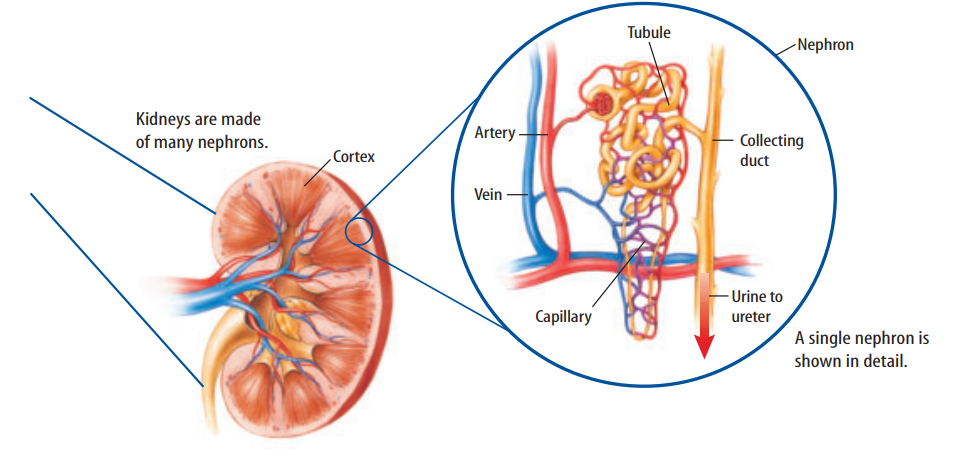
The first filtration occurs when water, sugar, salt, and wastes from the blood pass into the cuplike structure. Left behind in the blood are the red blood cells and proteins. Next, liquid in the cuplike structure is squeezed into a narrow tubule. Capillaries that surround the tubule perform the second filtration. Most of the water, sugar, and salt are reabsorbed and returned to the blood. These collection capillaries merge to form small veins, which merge (mix) to form a renal (meanings kidney) vein in each kidney. Purified blood is returned to the main circulatory system. The liquid left behind flows into collecting tubules in each kidney. This wastewater, or urine, contains excess water, salts, and other wastes that are not reabsorbed by the body.
The urine in each collecting tubule drains into a funnel-shaped area of each kidney that leads to the ureter (YOO ruh tur, from medical Latin ureter, from Greek oureter “urinary duct of the kidneys,”). Ureters are tubes that lead from each kidney to the bladder. The bladder is an elastic, muscular organ that holds urine until it leaves the body. The elastic walls of the bladder can stretch to hold up to 0.5 L of urine. A tube called the urethra (yoo REE thruh, from Greek ourethra “the passage for urine,”) carries urine from the bladder to the outside of the body.
The body responds by trying to restore this balance. If the balance isn’t restored, the kidneys and other organs can be damaged. Without excretion, an imbalance of salts occurs. Waste products that are not removed build up and act as poisons in body cells.
oxidation
A dialysis machine can replace or help with some of the activities of the kidneys in a person with kidney failure. Like the kidney, the dialysis machine removes wastes from the blood.
sugar granules: white sugar, or “regular” sugar.
Mortar and pestle is a set of two simple tools used from the Stone Age to the present day to prepare ingredients or substances by crushing and grinding them into a fine paste or powder.
Chapter 15
excerpt: a short extract from a film, broadcast, or piece of music or writing.
Skin is made up of three layers of tissue—the epidermis, the dermis, and a fatty layer. Each layer is made of different cell types.
The epidermis (from Greek, means upper skin) is the outer, thinnest layer. The epidermis’s outermost cells are dead and water repellent. Thousands of epidermal cells rub off every time you take a shower, shake hands, or scratch your elbow. New cells are produced constantly at the base of the epidermis. These new cells move up and eventually replace those that are rubbed off.
The dermis (from Greek, means skin) is the layer of cells directly below the epidermis. This layer is thicker than the epidermis and contains blood vessels, nerves, muscles, oil and sweat glands, and other structures. Below the dermis is a fatty region that insulates (cover, enclose) the body. This is where much of the fat is deposited when a person gains weight.
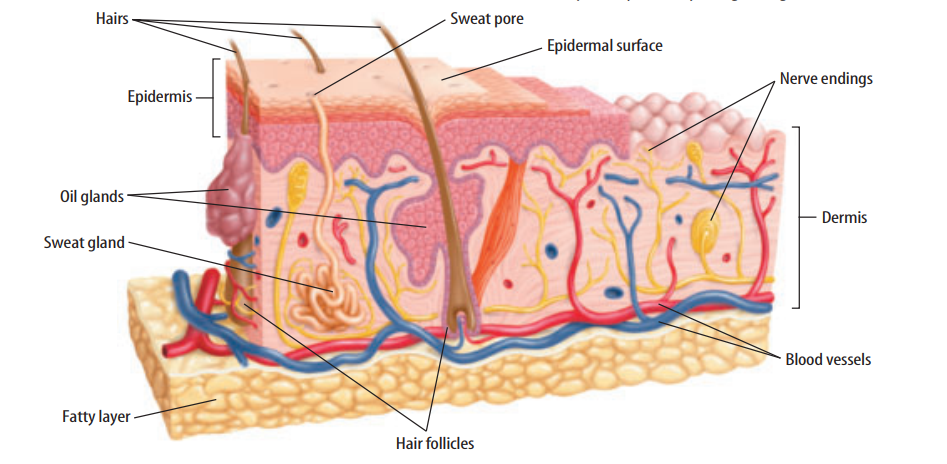
Cells in the epidermis produce the chemical melanin (ME luh nun), a pigment (a substance that imparts a color) to coating materials that protects your skin and gives it color. The different amounts of melanin produced by cells result in differences in skin color. When your skin is exposed to ultraviolet rays, melanin production increases and your skin becomes darker.
rid: make someone or something free of (an unwanted person or thing).
Your skin carries out several major functions, including protection, sensory response, formation of vitamin D, regulation of body temperature, and ridding the body of wastes.
An adult human’s dermis has about 3 million sweat glands that help regulate the body’s temperature and excrete wastes. If too much water and salt are released during hot weather or physical exertion, you might feel light-headed or even faint.
bruises: a bruise is a common skin injury that results in a discoloration of the skin.
skin grafting, a type of graft surgery, involves the transplantation of skin.
Muscles that you are able to control are called voluntary muscles. Muscles that you can’t control consciously are involuntary muscles.
striation: Also strip. One of a number of parallel grooves and ridges in a rock or rocky deposit, formed by repeated twinning or cleaving of crystals.
Skeletal muscles are voluntary muscles that move bones. They are more common than other muscle types and are attached to bones by thick bands of tissue called tendons (from Latin, “to stretch”). Skeletal muscle cells are striated (STRI ay tud), and when viewed under a microscope, appear striped.
Cardiac muscle is found only in the heart. Like skeletal muscle, cardiac muscle is striated. This type of muscle contracts about 70 times per minute every day of your life. Smooth muscles are nonstriated involuntary muscles and are found in your intestines, bladder, blood vessels, and other internal organs.
Your skeletal system and muscular system work together when you move, like a machine. A machine, such as a bicycle, is any device that makes work easier.
The hammer is a type of simple machine called a lever, which is a rod or plank (bar or stick) that pivots (a shaft or pin on which something turns) or turns about a point. This point is called a fulcrum.
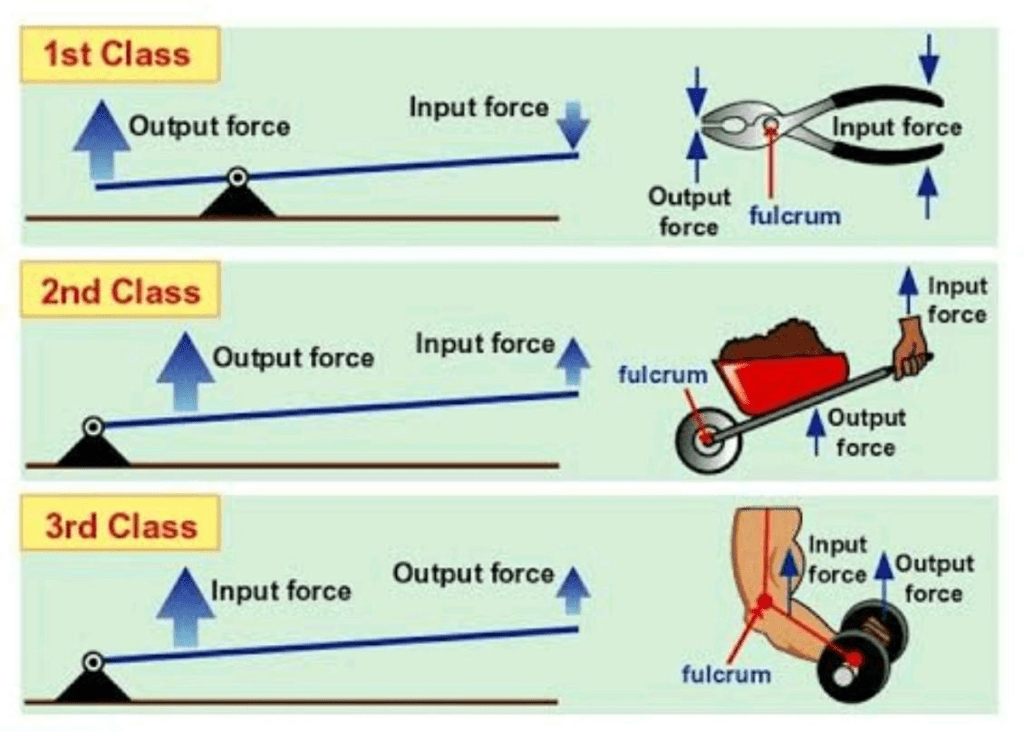
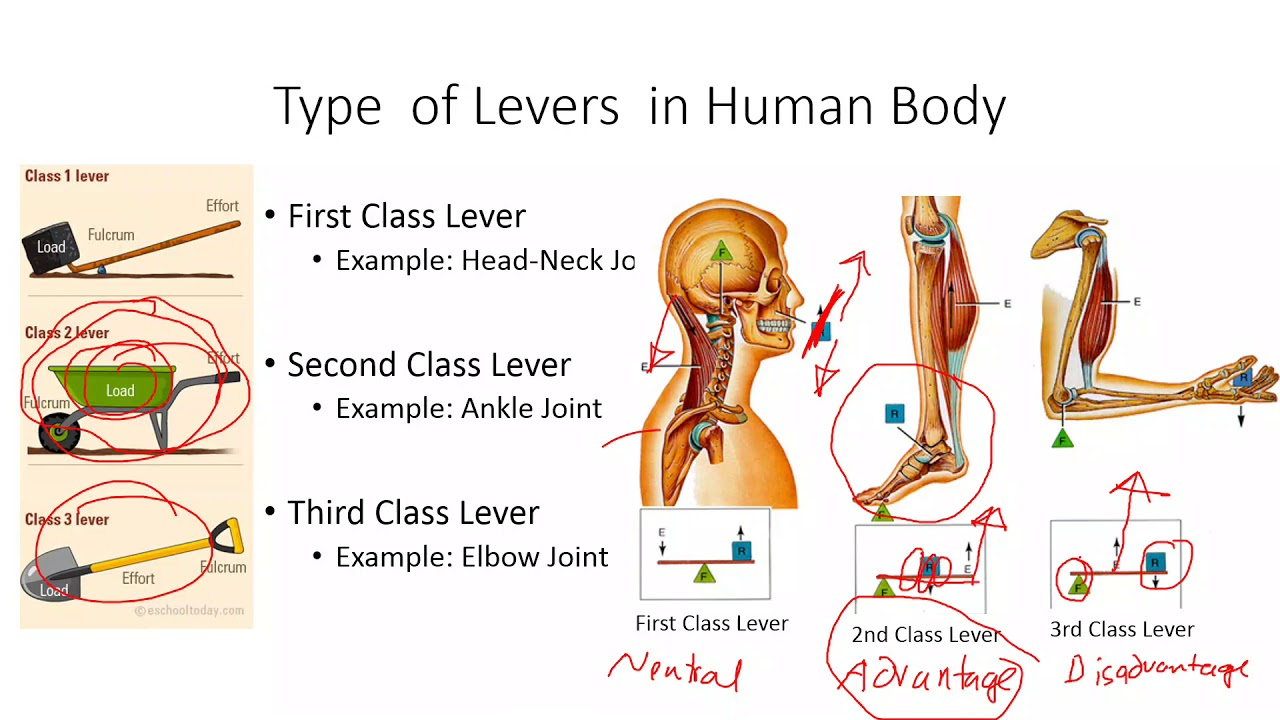
Muscles always pull; they never push.
pastime: an activity that someone does regularly for enjoyment rather than work; a hobby.
Paralyzed (disabled or immobilize) muscles also become smaller because they cannot be moved or have limited movement.
Your muscles need energy to contract and relax. Your blood carries energy-rich molecules to your muscle cells, where the chemical energy stored in these molecules is released. As the muscle contracts, this released energy changes to mechanical energy (movement) and thermal energy (warmth). The thermal energy released by muscle contractions helps keep your body temperature constant.
The skeletal system includes all the bones in your body and has five major functions.
1. The skeleton gives shape and support to your body.
2. Bones protect your internal organs.
3. Major muscles are attached to bones and help them move.
4. Blood cells form in the red marrow of many bones.
5. Major quantities of calcium and phosphorous compounds are stored in the skeleton for later use. Calcium and phosphorus make bones hard.
Bones have bumps (light blows), edges, round ends, rough spots, and many pits and holes. Muscles and ligaments (fibrous connective tissues that attaches bone to bone) attach to some of the bumps and pits. In your body, blood vessels and nerves enter and leave through the holes in bones.
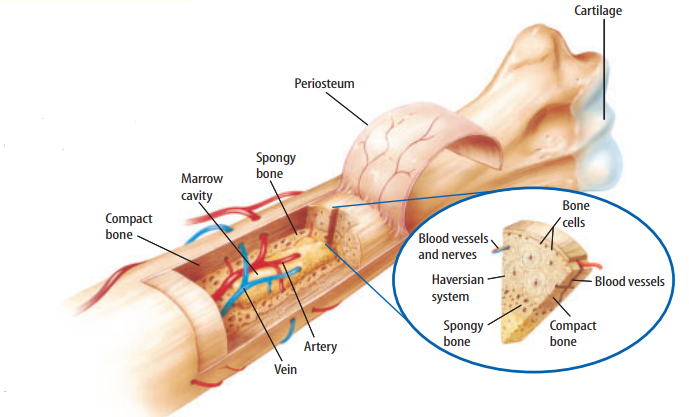
Living bone is an organ made of several different tissues. A living bone’s surface is covered with a tough, tightfitting membrane called the periosteum (pur ee AHS tee um, from Greek, peri- ‘around’ + osteon ‘bone’.). Small blood vessels in the periosteum carry nutrients into the bone and its nerves signal pain. Under the periosteum are compact bone and spongy bone.
Compact (dense) bone gives bones strength. It has a framework containing deposits of calcium phosphate that make the bone hard. Spongy bone is located toward the ends of long bones, such as those in your thigh and upper arm. Spongy bone has many small, open spaces that make bones lightweight. In the centers of long bones are large openings called cavities. These cavities and the spaces in spongy bone are filled with a substance called marrow. Some marrow is yellow and is composed of fat cells. Red marrow produces red blood cells at a rate of 2 million to 3 million cells per second.
The ends of bones are covered with a smooth, slippery, thick layer of tissue called cartilage (“gristle; firm, elastic animal tissue,”). Cartilage does not contain blood vessels or minerals. It is flexible and important in joints because it acts as a shock absorber. It also makes movement easier by reducing friction that would be caused by bones rubbing together.
Bone-forming cells called osteoblasts (AHS tee oh blasts, from English -blast (An immature cell or tissue), English osteo- (Bone)) deposit calcium and phosphorus in bones, making the bone tissue hard. Another type of bone cell, called an osteoclast (from osteo- ‘bone’ + Greek klastēs ‘breaker’), breaks down bone tissue in other areas of the bone.
Any place where two or more bones come together is a joint. Bones are held in place at joints by a tough band of tissue called ligaments. Joints are broadly classified as immovable or movable. An immovable joint allows little or no movement.
somersaulting: to roll or jump, either forwards or backwards, turning over completely, with your body above your head, and finish with your head on top again.
In a pivot joint, one bone rotates in a ring of another bone that does not move. Turning your head is an example of a pivot movement. A ball-and-socket joint consists of a bone with a rounded end that fits into a cuplike cavity on another bone. A ball-and-socket joint provides a wider range of motion than a pivot joint does. That’s why your legs and arms can swing in almost any direction.
A third type of joint is a hinge joint, which has a backand-forth movement like hinges on a door. Elbows, knees, and fingers have hinge joints. Hinge joints have a smaller range of motion than the ball-and-socket joint. They are not dislocated (one in which a bone has been suddenly forced out of its correct position), or pulled apart, as easily as a balland-socket joint can be.
A fourth type of joint is a gliding joint, in which one part of a bone slides over another bone. Gliding joints also move in a back-and-forth motion and are found in your wrists and ankles and between vertebrae (one of the small bones that form the spine (= back bone)). Gliding joints are used the most in your body.
Cartilage helps make joint movement easier. It reduces friction and allows bones to slide more easily over each other.
Arthritis (from the Greek words arthro-, meaning “joint,” and -itis, meaning “inflammation.”) is the most common joint problem. The term arthritis describes more than 100 different diseases that can damage joints. All forms of arthritis begin with the same symptoms: pain, stiffness, and swelling of the joints.
Any internal or external change that brings about a response is called a stimulus (STIHM yuh lus).
Control systems maintain homeostasis. They keep steady, life-maintaining conditions inside your body, despite changes around you. Examples of homeostasis are the regulation of your breathing, heartbeat, and digestion. Your nervous system is one of several control systems used by your body to maintain homeostasis.

The basic functioning units of the nervous system are nerve cells, or neurons (NOO rahnz). A neuron is made up of a cell body, branches called dendrites (from Greek dendritēs ‘treelike’), and an axon (AK sahn, from Greek axōn ‘axis’). Any message carried by a neuron is called an impulse. Your neurons are adapted in such a way that impulses move in only one direction. Dendrites receive impulses from other neurons and send them to the cell body. An axon carries impulses away from the cell body. The end of the axon branches. This allows the impulses to move to many other muscles, neurons, or glands.
Three types of neurons—sensory neurons, motor neurons, and interneurons—transport impulses. Sensory neurons receive information and send impulses to the brain or spinal cord, where interneurons relay these impulses to motor neurons. Motor neurons then conduct impulses from the brain or spinal cord to muscles or glands throughout your body.
Neurons don’t touch each other. As an impulse moves from one neuron to another it crosses a small space called a synapse (SIH napsm, means junction). When an impulse reaches the end of an axon, the axon releases a chemical. This chemical flows across the synapse and stimulates the impulse in the dendrite of the next neuron.
The central nervous system (CNS) includes the brain and spinal cord. The brain is the control center for all activities in the body. It is made of billions of neurons. The spinal cord is made up of bundles of neurons. An adult’s spinal cord is about the width of a thumb and about 43 cm long. Sensory neurons send impulses to the brain or spinal cord.
The PNS (peripheral nervous system) includes 12 pairs of nerves from your brain called cranial (from Greek kranion “skull”) nerves, and 31 pairs of nerves from your spinal cord called spinal nerves. Spinal nerves are made up of bundles of sensory and motor neurons bound together by connective tissue. They carry impulses from all parts of the body to the brain and from the brain to all parts of your body. A single spinal nerve can have impulses going to and from the brain at the same time. Some nerves contain only sensory neurons, and some contain only motor neurons, but most nerves contain both types of neurons.
The peripheral nervous system has two major divisions. The somatic (means dealing with the body) system controls voluntary actions. It is made up of the cranial and spinal nerves that go from the central nervous system to your skeletal muscles. The autonomic system controls involuntary actions—those not under conscious control—such as your heart rate, breathing, digestion, and glandular functions.
Interneurons are the central nodes of neural circuits, enabling communication between sensory or motor neurons and the central nervous system (CNS).
Injury to the spine can bring about damage to nerve pathways and result in paralysis (puh RAH luh suhs), which is the loss of muscle movement.
A reflex involves a simple nerve pathway called a reflex arc. A reflex allows the body to respond without having to think about what action to take. Reflex responses are controlled in your spinal cord, not in your brain.
As light enters the eye, it passes through the cornea—the transparent section at the front of the eye—and is refracted. Then light passes through a lens and is refracted again. The lens directs the light onto the retina (RET nuh, Latin rete, means net), which is a tissue at the back of the eye that is sensitive to light energy. Two types of cells called rods and cones are found in the retina. Cones respond to bright light and color. Rods respond to dim light. They are used to help you detect shape and movement. The image transmitted from the
retina to the brain is upside down and reversed. The brain interprets the image correctly, and you see what you are looking at. The brain also interprets the images received by both eyes. It blends them into one image that gives you a sense of distance.

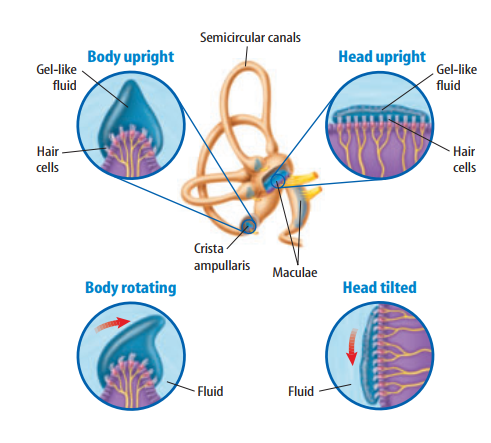
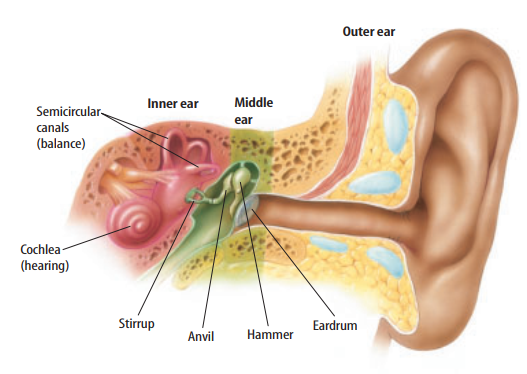
When an object vibrates, sound waves are produced. Sound waves can travel through solids, liquids, and gases. When sound waves reach your ear, they usually stimulate nerve cells deep within your ear. Impulses from these cells are sent to the brain.
Your ear is divided into three sections—the outer ear, middle ear, and inner ear. Your outer ear intercepts sound waves and they move down the ear canal to the middle ear. The sound waves cause the eardrum to vibrate much like the membrane on a musical drum vibrates when you tap it. These vibrations then move through three tiny bones called the hammer, anvil, and stirrup. The stirrup bone rests against a second membrane on an opening to the inner ear. The inner ear includes the cochlea (KOH klee uh) and the semicircular canals.
The cochlea is a fluidfilled structure shaped like a snail’s shell. When the stirrup vibrates, fluids in the cochlea begin to vibrate. These vibrations bend sensory hair cells in the cochlea, which cause electrical impulses to be sent to the brain by a nerve.
In your inner ear the cristae ampullaris (KRIHS tee • am pyew LEER ihs) react to rotating movements of your body, and the maculae (MA kyah lee) check the position of your head with respect to the ground.
The five taste sensations are sweet, salty, sour, bitter, and the taste of MSG (monosodium glutamate). In order to taste something, it has to be dissolved in water. Saliva begins this process.
You can smell food because molecules from the food move into the air. If they enter your nasal passages, these molecules stimulate sensitive nerve cells, called olfactory (ohl FAK tree, means smell) cells. Olfactory cells are kept moist by mucus. When molecules in the air dissolve in this moisture, the cells become stimulated. If enough molecules are present, an impulse starts in these cells, then travels to the brain where the stimulus is interpreted. If the stimulus is recognized from a previous experience, you can identify the odor.
The sense of smell is needed to identify some foods such as chocolate. When saliva in your mouth mixes with chocolate, odors travel up the nasal passage in the back of your throat. Olfactory cells in the nose are stimulated, and the taste and smell of chocolate are sensed.
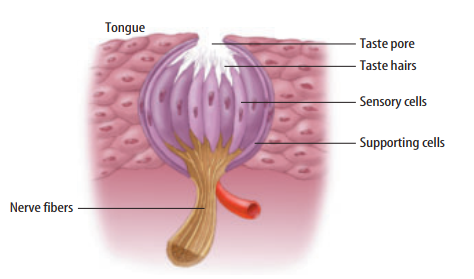
Taste buds are made up of a group of sensory cells with tiny taste hairs projecting from them. When food is taken into the mouth, it is dissolved in saliva. This mixture then stimulates receptor sites on the taste hairs, and an impulse is sent to the brain.
Many drugs, such as alcohol and caffeine, directly affect your nervous system. When swallowed, alcohol directly passes into cells of the stomach and small intestine then into the circulatory system. After it is in the circulatory system, it can travel throughout your body. Upon reaching neurons, alcohol moves through their cell membranes and disrupts their normal cell functions. As a result, this drug slows the activities of the central nervous system and is classified as a depressant.
depressant: (chiefly of a drug) reducing functional or nervous activity.
Any substance that speeds up the activity of the central nervous system is called a stimulant. Caffeine is a stimulant found in coffee, tea, cocoa, and many soft drinks. Too much caffeine can increase heart rate and aggravates restlessness, tremors, and insomnia in some people. It also can stimulate the kidneys to produce more urine.
prosthetic (artificial) fingers
The endocrine (EN duh krun) and the nervous systems are your body’s control systems. The endocrine system is made up of organs called glands. Glands produce and release different hormones that target specific things in the body.
Tissues found throughout your body called endocrine glands produce the chemical messages called hormones (HOR mohnz). Hormones can speed up or slow down certain cellular processes. Some glands in your body release their products through small tubes called ducts. Endocrine glands are ductless and each endocrine gland releases its hormone directly into the blood. Then, the blood transports the hormone to the target tissue. A target tissue usually is located in the body far from the location of the endocrine gland that produced the hormone to which it responds.
Endocrine glands have many functions in the body. The functions include the regulation of its internal environment, adaptation to stressful situations, promotion of growth and development, and the coordination of circulation, digestion, and the absorption of food.
To control the amount of hormones that are in your body, the endocrine system sends chemical messages back and forth within itself. This is called a negative-feedback system. It works much the way a thermostat (an automatic device for regulating temperature) works.
Sex hormones are necessary for the development of sexual characteristics, such as breast
development in females and facial hair growth in males. Hormones from the pituitary gland also begin the production of eggs in females and sperm in males. Eggs and sperm transfer hereditary information from one generation to the next.
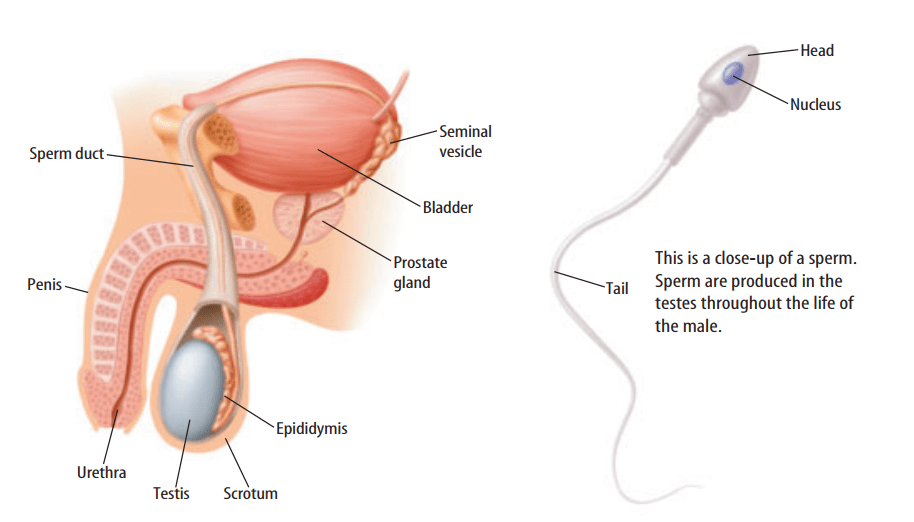
The external organs of the male reproductive system are the penis and scrotum. The scrotum contains two organs called testes (TES teez). As males mature sexually, the testes begin to produce testosterone, the male hormone, and sperm, which are male reproductive cells.
This mixture of sperm and fluid is called semen (SEE mun). Semen leaves the body through the urethra, which is the same tube that carries urine from the body. However, semen and urine never mix.
The ovaries—the female sex organs—are located in the lower part of the body cavity. Each of the two ovaries is about the size and shape of an almond.
When a female is born, she already has all of the cells in her ovaries that eventually will develop into eggs—the female reproductive cells. At puberty, eggs start to develop in her ovaries because of specific sex hormones. About once a month, an egg is released from an ovary in a hormone-controlled process called ovulation (ahv yuh LAY shun). If a sperm fertilizes the egg, it usually happens in an oviduct. Short, hairlike structures called cilia help sweep the egg through the oviduct toward the uterus (YEW tuh rus, Latin uterus “womb, belly”).
The uterus is a hollow, pear-shaped, muscular organ with thick walls in which a fertilized egg develops. The lower end of the uterus, the cervix, narrows and is connected to the outside of the body by a muscular tube called the vagina (vuh JI nuh). The vagina also is called the birth canal because during birth, a baby travels through this tube from the uterus to the outside of the mother’s body.
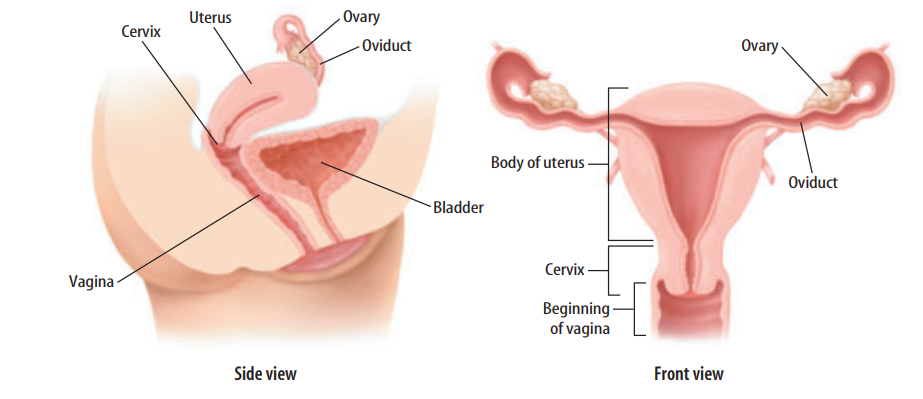
The menstrual cycle is the monthly cycle of changes in the female reproductive system. Before and after an egg is released from an ovary, the uterus undergoes changes. The menstrual cycle of a human female averages 28 days.
Hormones control the entire menstrual cycle. The pituitary gland responds to chemical messages from the hypothalamus by releasing several hormones. These hormones start the development of eggs in the ovary. They also start the production of other hormones in the ovary, including estrogen (ES truh jun, which helps develop and maintain both the reproductive system and female characteristics) and progesterone (proh JES tuh rohn, regulating menstruation and supporting pregnancy in the female body). The interaction of all these hormones results in the physical processes of the menstrual cycle.

For most females, the first menstrual period happens between ages nine years and 13 years and continues until 45 years of age to 60 years of age. Then, a gradual reduction of menstruation takes place as hormone production by the ovaries begins to shut down. Menopause occurs when both ovulation and menstrual periods end. It can take several years for the completion of menopause.
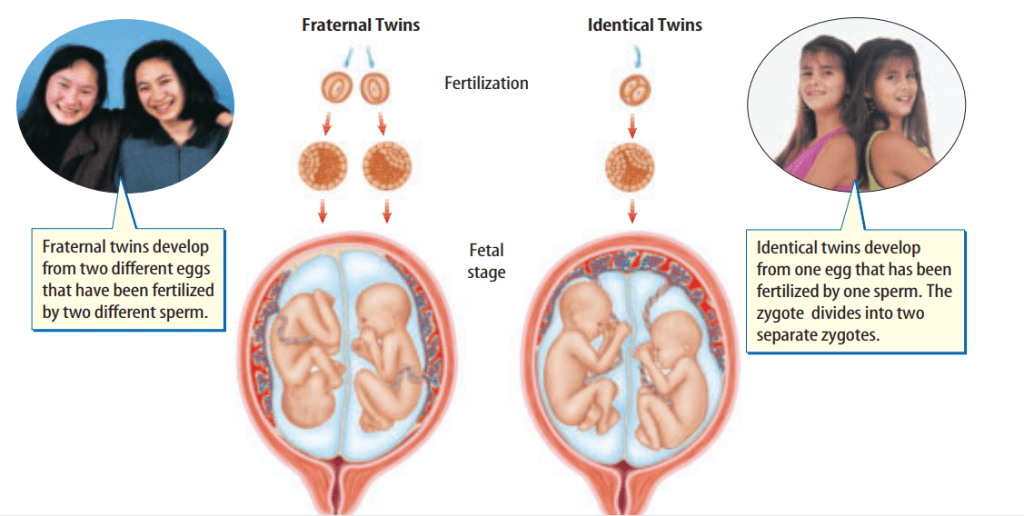
fertilization
pregnancy
embryo
amniotic
fetus
neonatal: newborn
childbirth
placenta
umbilical cord
cesarean: an operation to deliver your baby through a cut made in your tummy and womb.
Infancy lasts from birth to around 18 months of age. Childhood extends from the end of infancy to sexual maturity, or puberty (between age 7 and 13 in girls and 9 and 15 in guys). The years of adolescence vary, but they usually are considered to be the teen years. Adulthood covers the years of age from the early 20s until life ends, with older adulthood considered to be over 60. People from age 45 to age 60 are sometimes considered middle-aged adults.
Infants and toddlers are completely dependent upon caregivers for all their needs.
Other young mammals are more self-sufficient. This colt is able to stand within an hour after birth.
echidna:
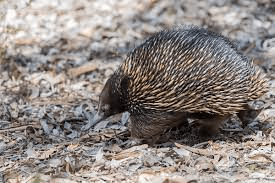
platypus:



Leave a comment