I’ve gotta take a day in between to write in my journal, step out of the story, and try to read some online book reviews (I didn’t find any heartfelt ones with real-life experience, pretty disappointing).
In a lot of American novels, you can understand how things unfold or the inner thoughts of characters from an all-knowing perspective or from each character’s point of view. So, I was hoping to find some direction from this book, or rather, the author’s life experience. I’m really hoping for a story about growth and change. Family, relationships, societal culture, identity—all that good stuff.
The tricky part about reading the English version of this book is the narrative structure. Right from the start, there are so many characters introduced all at once, making it hard for me to keep track. But as I got drawn into the story, it wasn’t until the second to last chapter that I realized I should probably go back to the beginning and sort out that initial part.
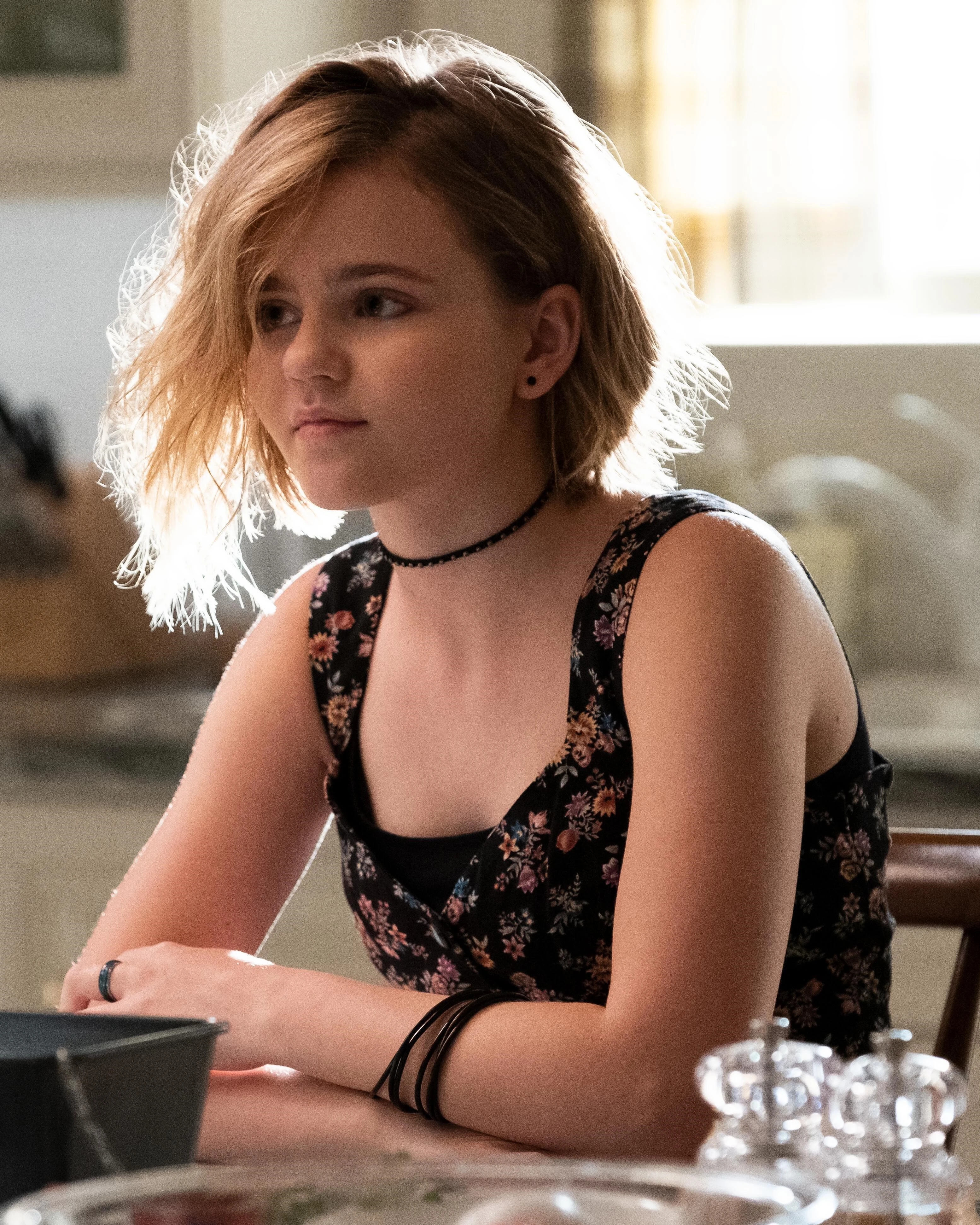
My top three favorite parts are the scene where Izzy picks locks at the school, understanding Izzy‘s mom and why she’s so demanding—it’s like a whole explanation of Izzy’s upbringing in her mom’s eyes, and Mia’s family and her pursuit of education. And when all the character conflicts and plotlines come together at the end, I’m just like, “Dang, this author knows what’s up.” The part about Izzy picking locks at school is just cool, you know? The language and the scene feel so real.
Speaking of Izzy’s mom, Elena, I guess I get why some kids end up being so pressured from a young age, and then as they grow up, their parents just can’t stop worrying about them.
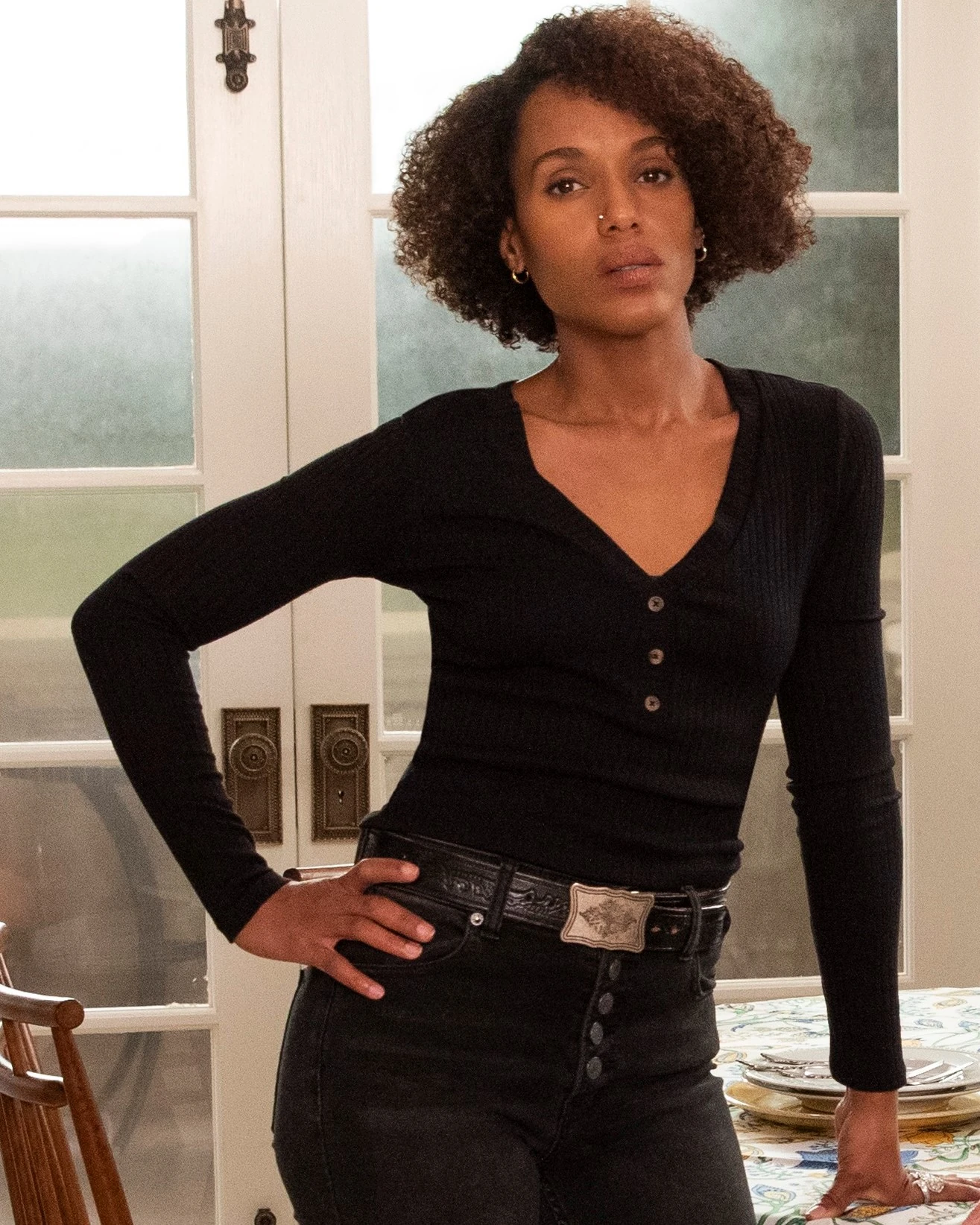
As for Mia, she reminds me of this really nice aunt I have. And when I picture the apartment she lives in, I imagine this two-story wooden house filled with all sorts of potted plants. It’s got this relaxed vibe but feels kinda rundown. I saw some Chinese reviews online hating on Mia for being broke but still wanting to study photography, even resorting to surrogacy. But when I think about her practicing back home, getting guidance and support from an old man, and then getting recognized by professional teachers when she signs up for school, it feels more genuine, you know? Like, most passions start out like that. But what I don’t get is how Mia, this nomadic photographer struggling to make ends meet, juggling odd jobs and a kid, Pearl, can still come off as this wise and kind mother. And if she’s so wise and kind, why keep moving around all the time? Also, Mia’s daughter, given the timeline in the story, should be around my age, but how is she still excelling academically despite moving around so much and probably not having the best living conditions? As someone in their twenties, I just don’t get it.
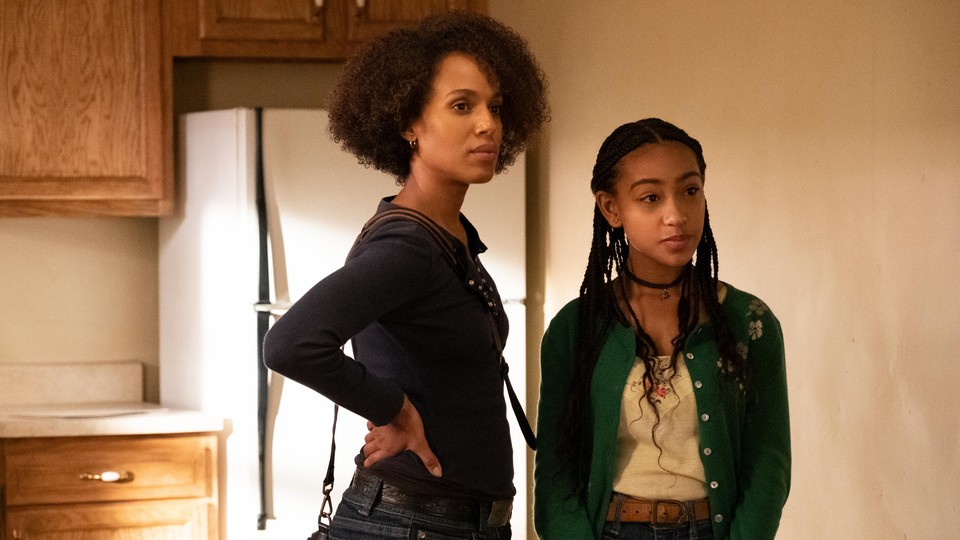
Is life about carefully planning every step or following your heart? The author seems to leave that question to the readers, but a lot of Asian readers weren’t buying it, thinking Mia’s character is too “perfect.” Maybe that’s the issue. Her background isn’t great, yet as a single mother, she’s this shining example. Meanwhile, the inner struggles of regular folks in the town, like Mrs. Richards, come across as more authentic. It just feels kinda unreal.
I looked up different character traits online and found this thing called narcissistic personality disorder. I wonder if that fits Mia better in terms of character development. She’s talented, and has plenty of resources to rely on, yet still chooses to remain anonymous, enjoying her craft, and making her own rules in life. Why? The author doesn’t say. Is she like Van Gogh? Or shouldn’t she at least have a social media account or website in today’s world?
And then there’s the unrealistic social circles. A wealthy family renting out their house to a wandering artist, their kids getting along great and even dating the poor girl. Brothers both like the same poor girl… I probably can’t say this out loud, but maybe in some American towns, they’re more accepting, open-minded, and friendly across different social classes. Honestly, I envy the friendships and romances depicted in the story, yet I can’t help but feel a twinge of sadness towards the ending.




Leave a comment