Phrasal verbs are part of a large group of verbs called ‘multi-word verbs’. Phrasal verbs and other multi-word verbs, including phrasal verbs, are very common, especially in Spoken English. A multi-word verb is a verb like ‘pick up’, ‘turn on’ or ’get on with’. For convenience, many people refer to all multi-word verbs as phrasal verbs. These verbs consist of a basic verb + another word or words. The other word(s) can be prepositions and/or adverbs. The two or three words that make up multi-word verbs form a short ‘phrase’ – which is why these verbs are often called ‘phrasal verbs’.
The important thing to remember is that a multi-word verb is still a verb. ‘Get’ is a verb. ‘Get up’, is also a verb, a different verb. ‘Get’ and ‘get up’ are two different verbs. They do not have the same meaning. So you should treat each multi-word verb verb as a separate verb and learn it like any other verb. Look at these examples. You can see that there are three types of multi-word verbs:
single-word verb: look, direct your eyes in a certain direction. [You must look before you leap.]
Multi-word verbs (preposition verbs): look after, take care of. [Who is looking after the baby?]
Multi-word verbs (phrasal verbs): look up, search for information in a reference book. [You can look up my number in the telephone directory.]
Multi-word verbs (phrasal-prepositional verbs): look forward to, anticipate with pleasure. [I look forward to meeting you.]
This introduction and the word list are based on this book: Improve Your English: English in Everyday Life (DVD w/ Book): Hear and see how English is actually spoken–from real-life speakers, Cambridge dictionary, and ChatGPT (many thanks).
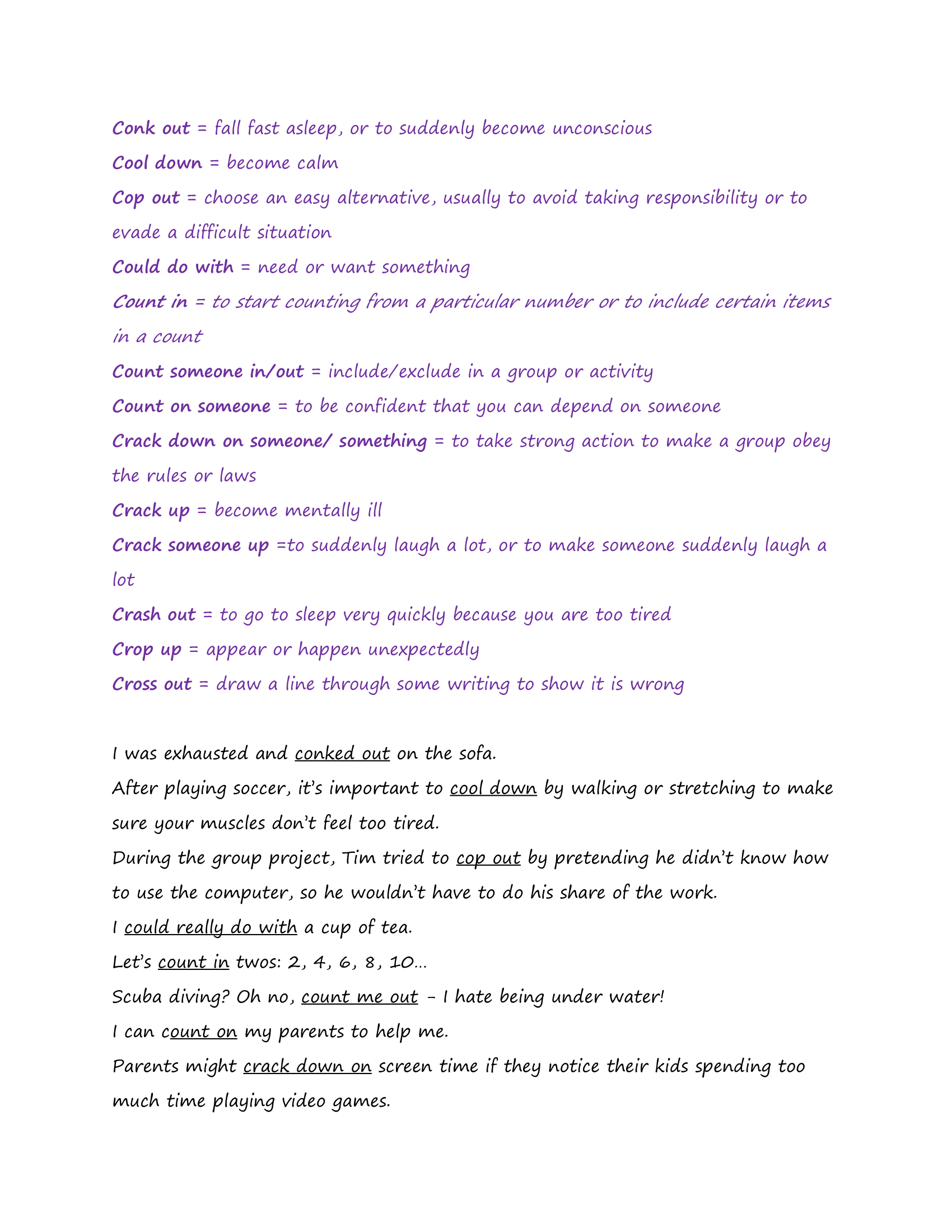
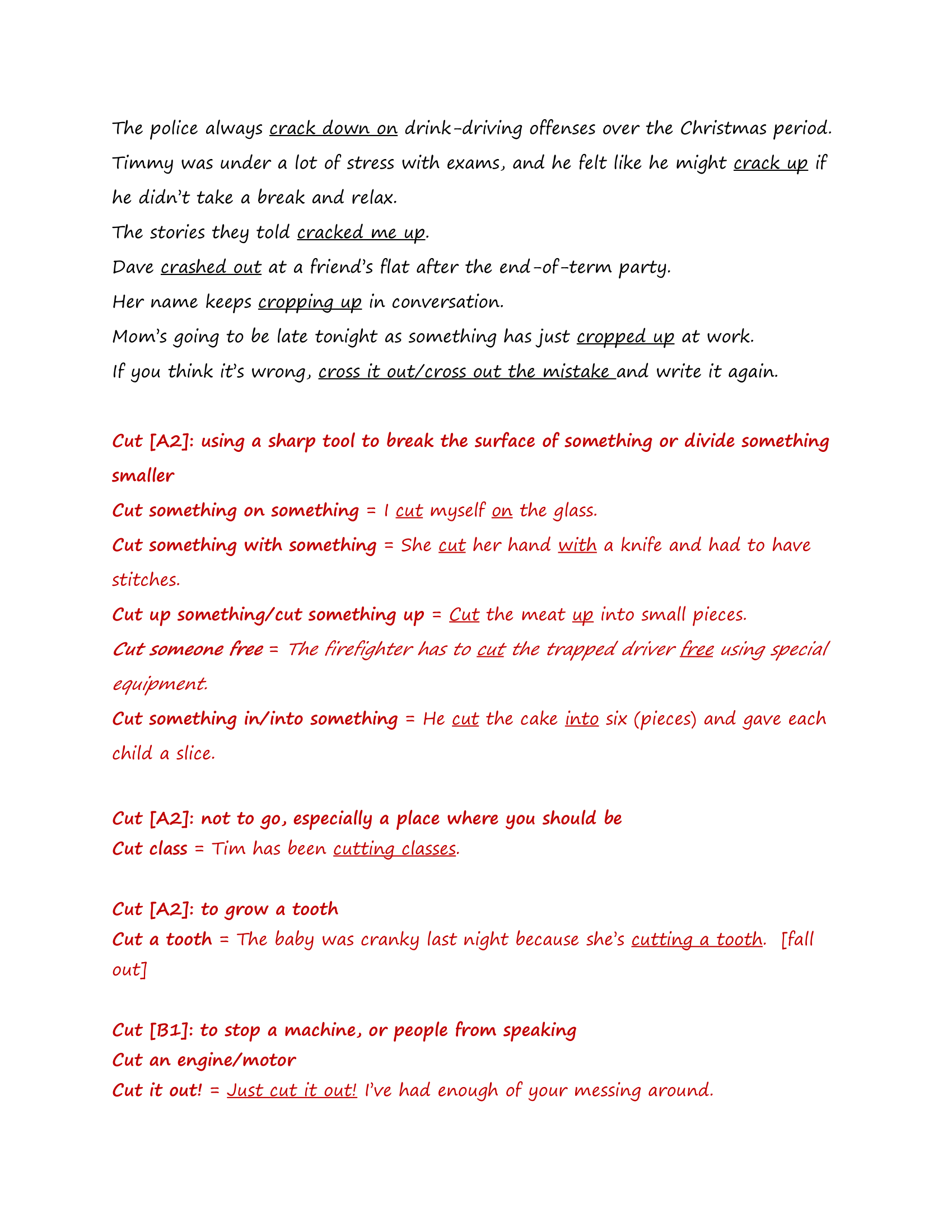
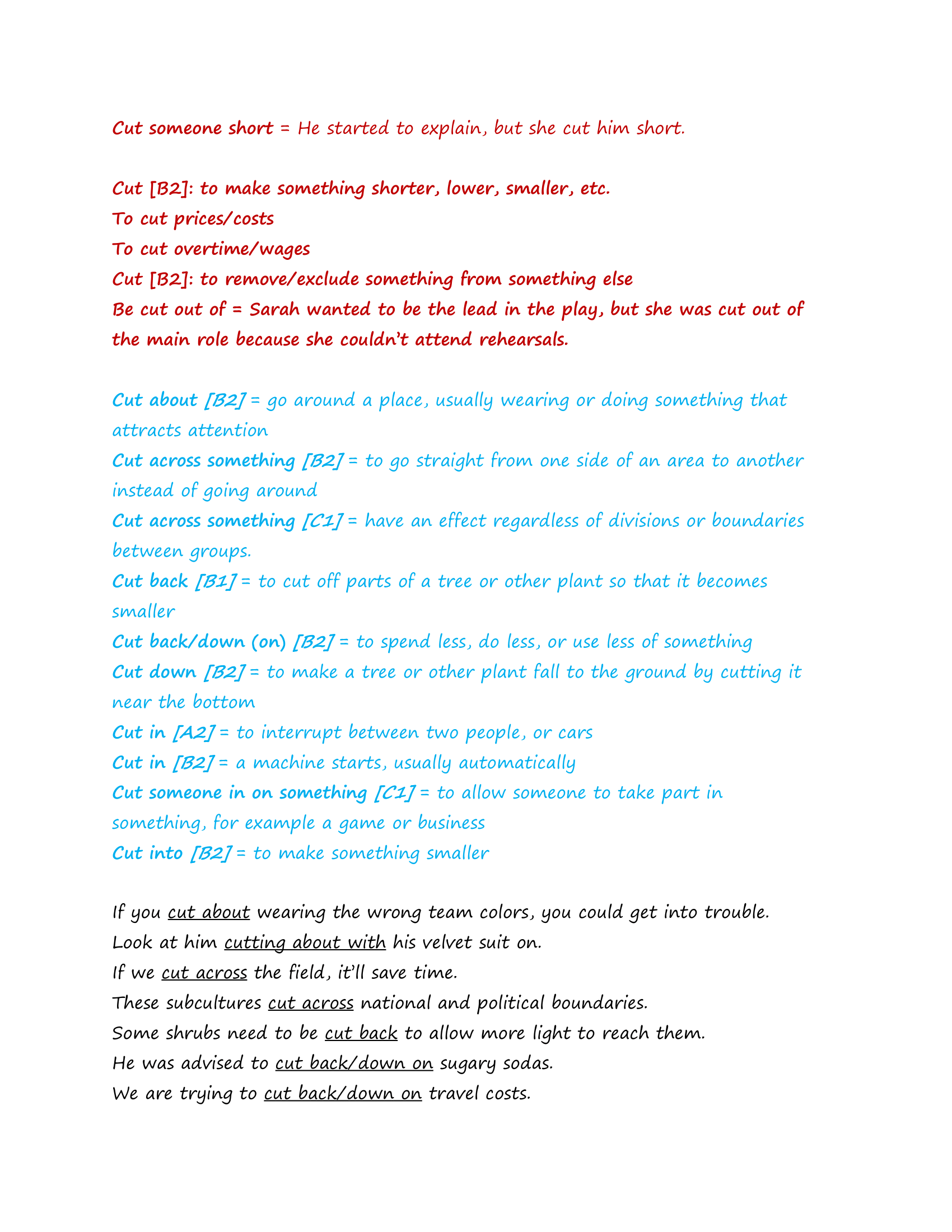
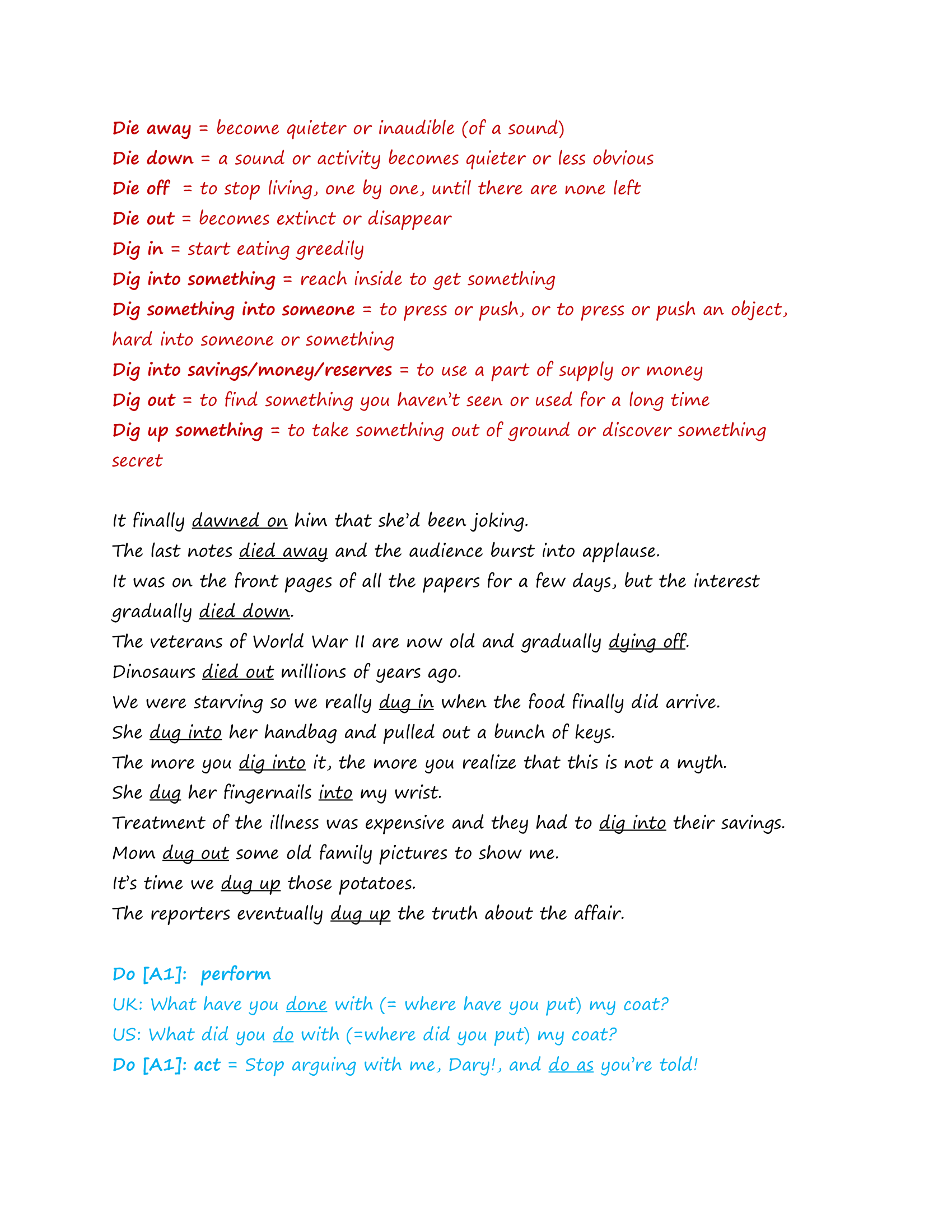
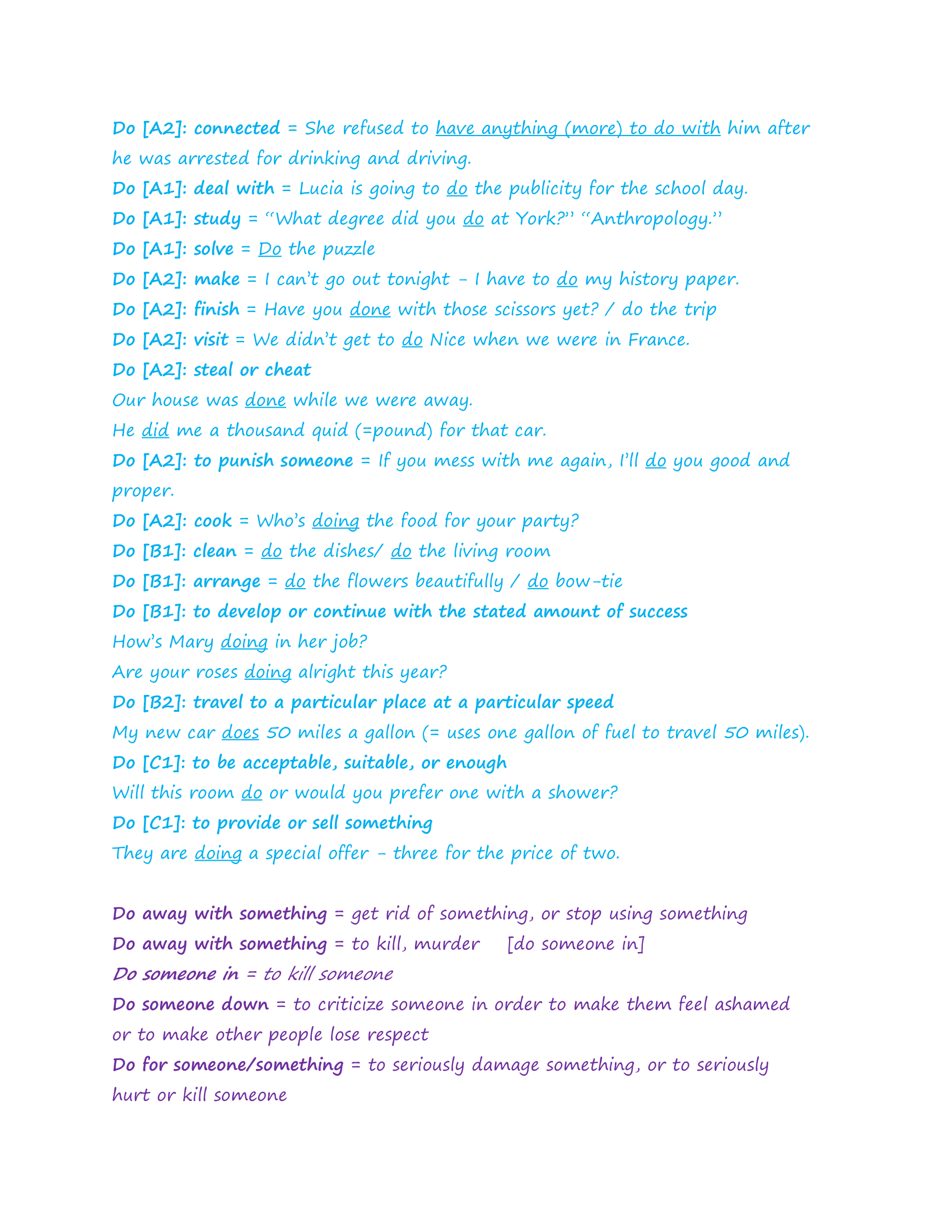
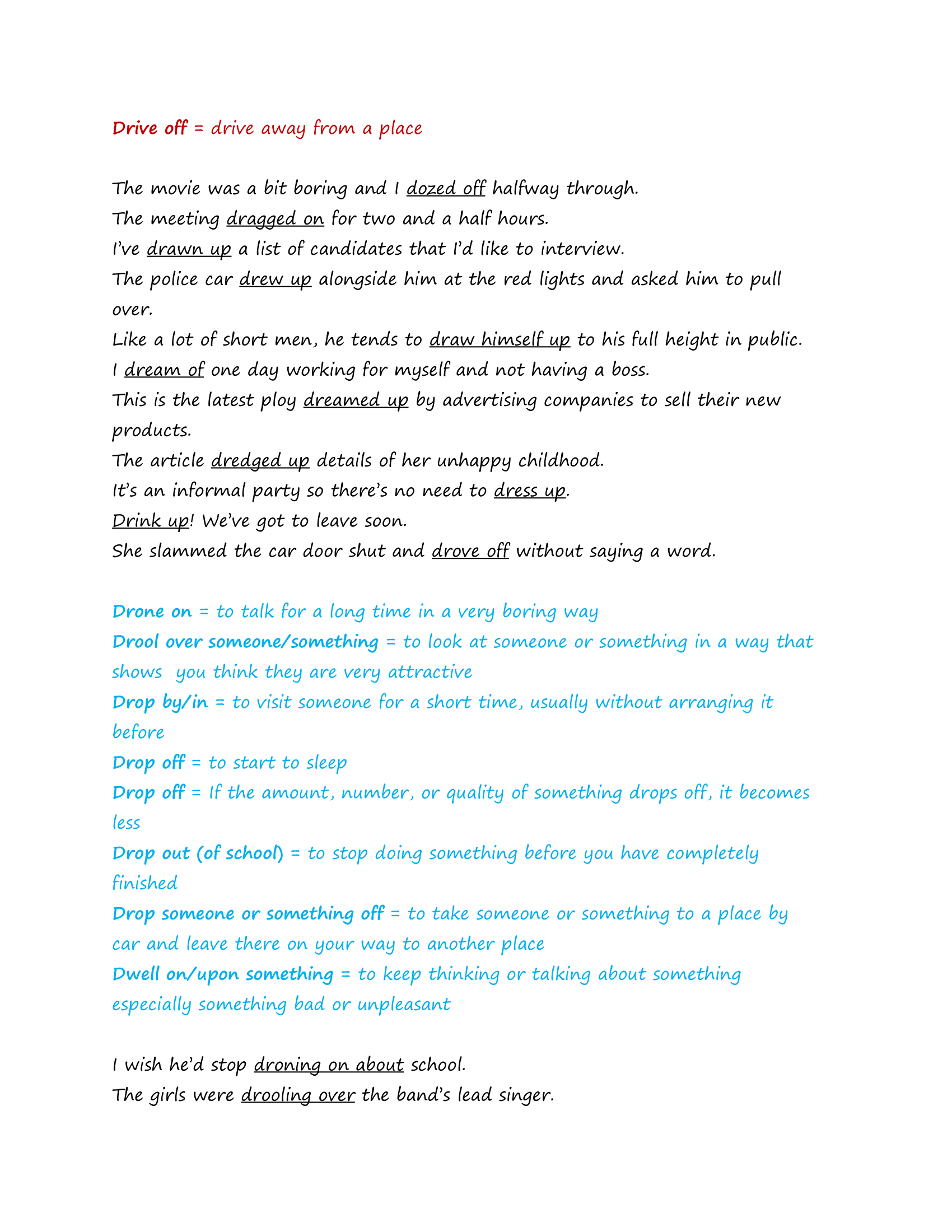
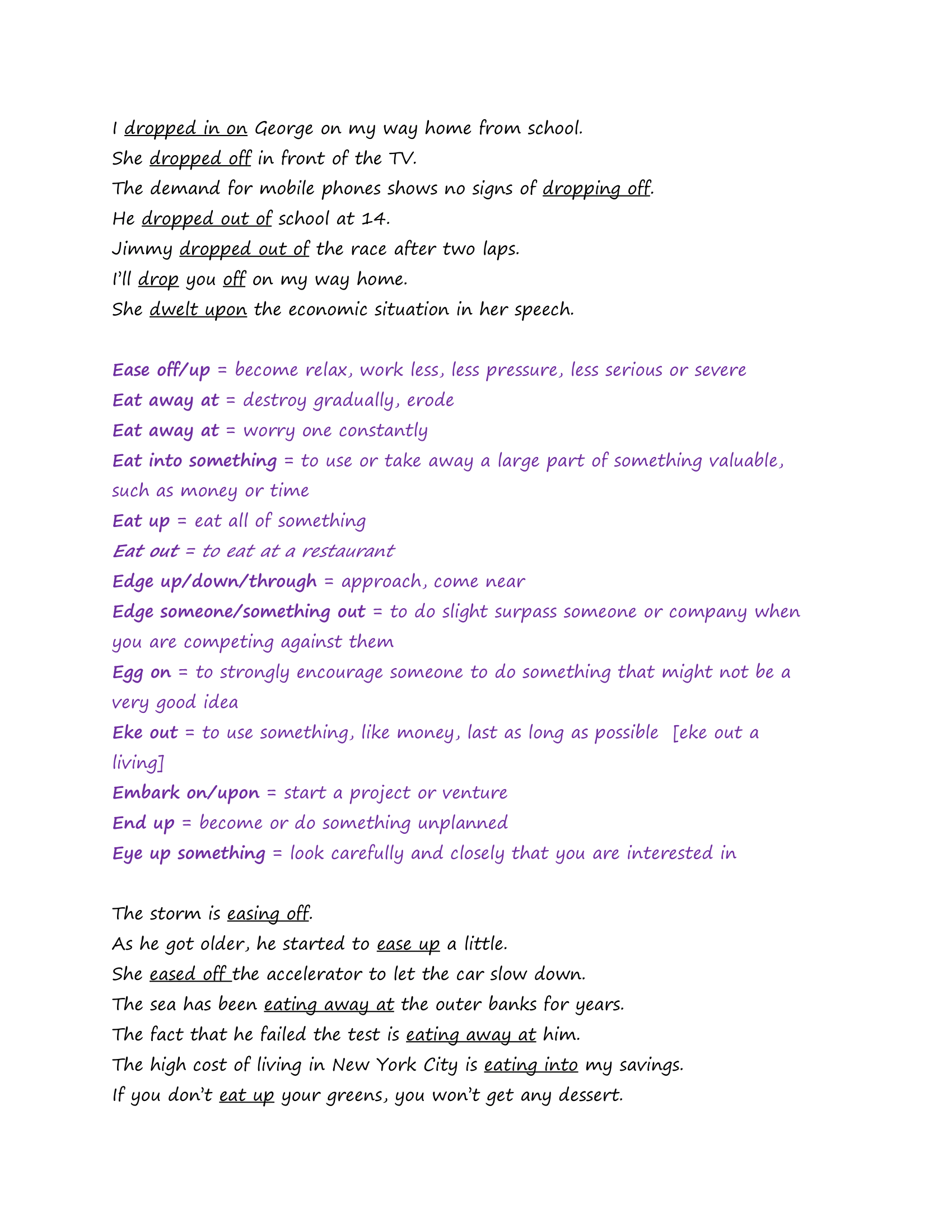
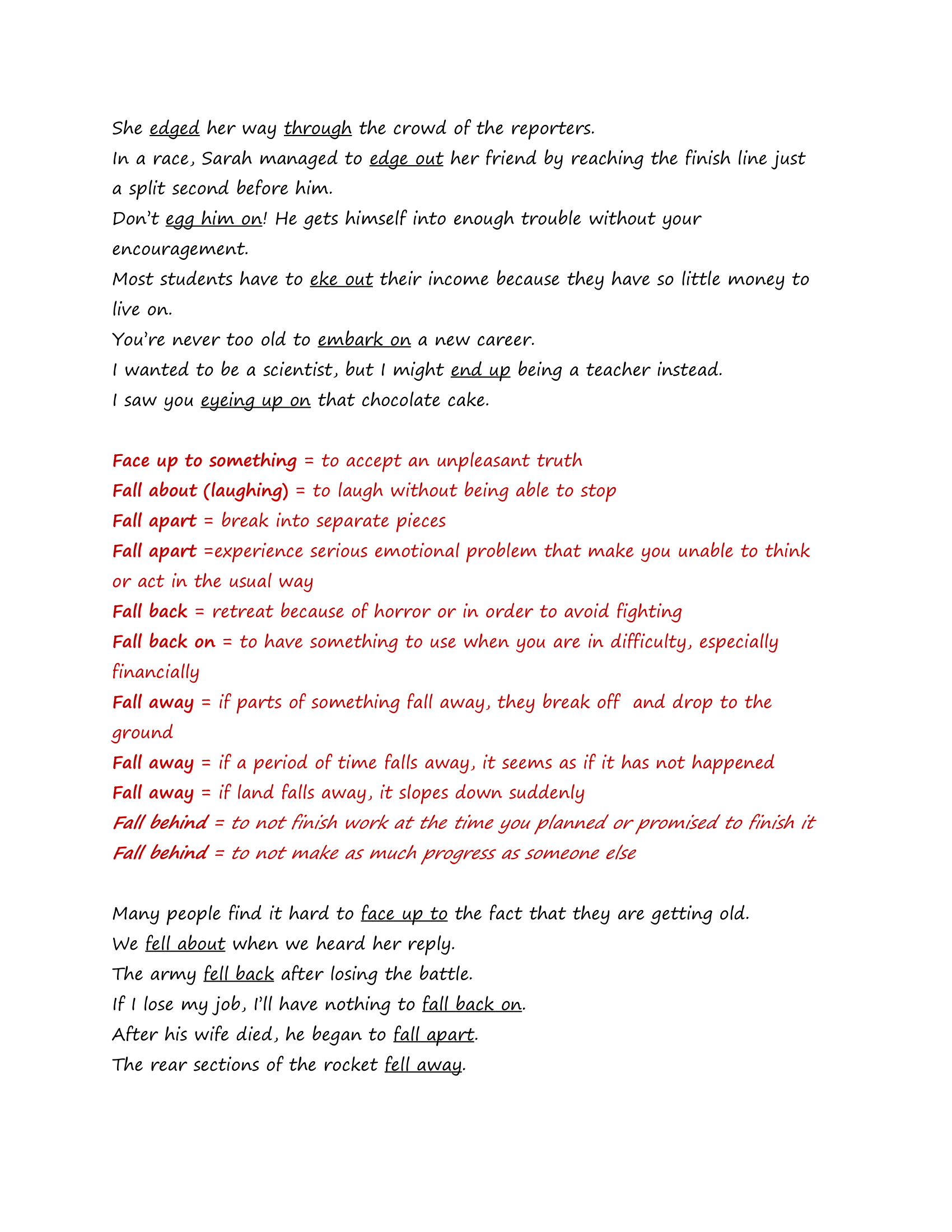
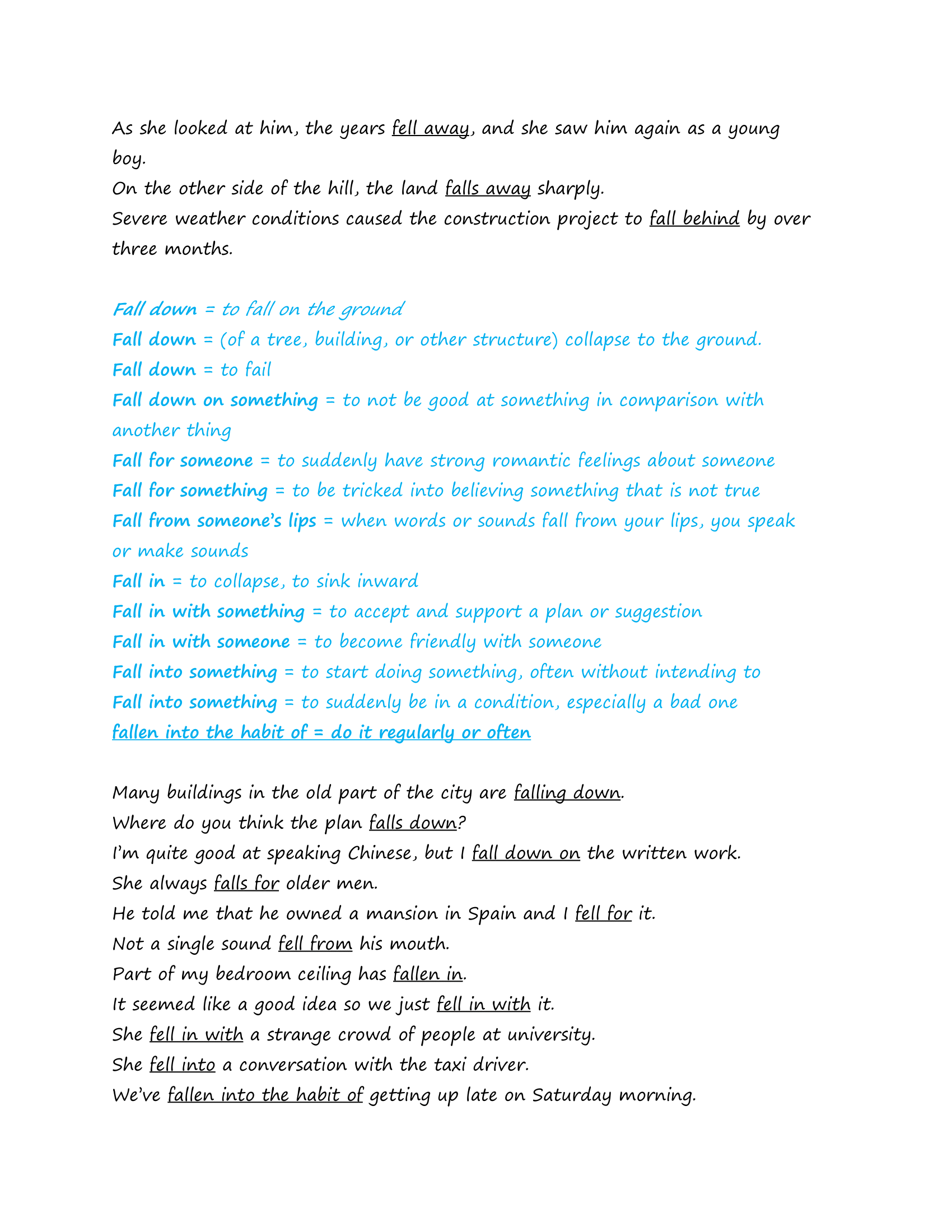
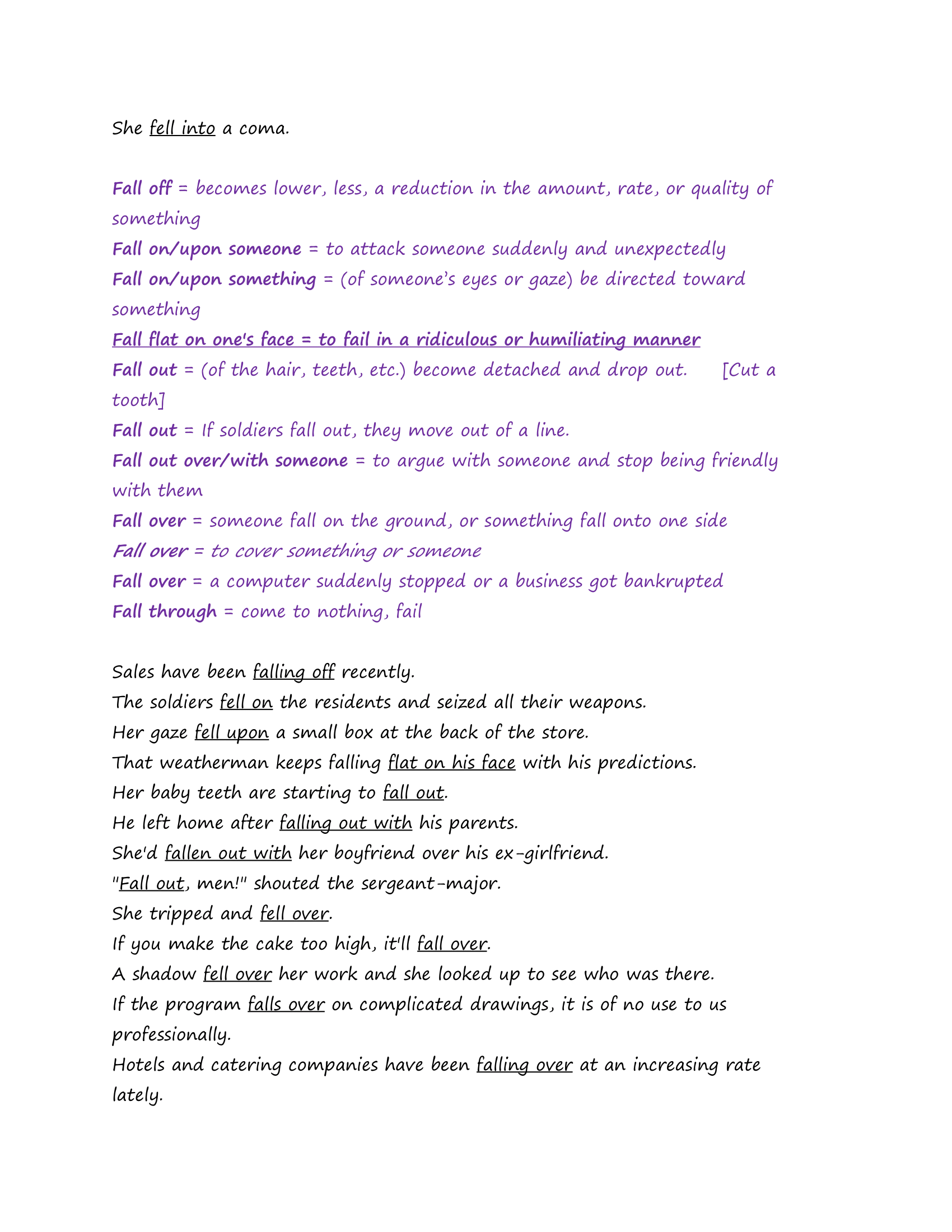
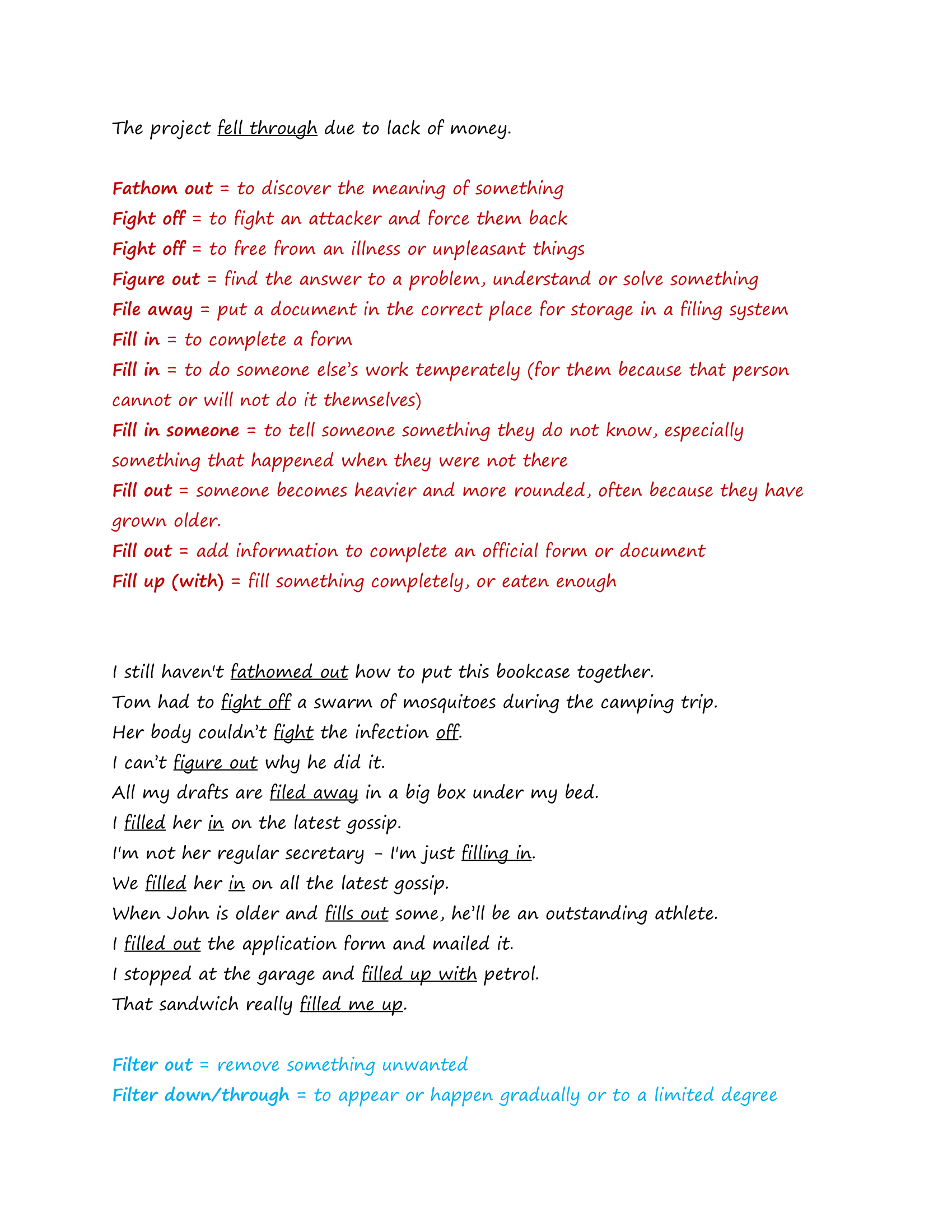
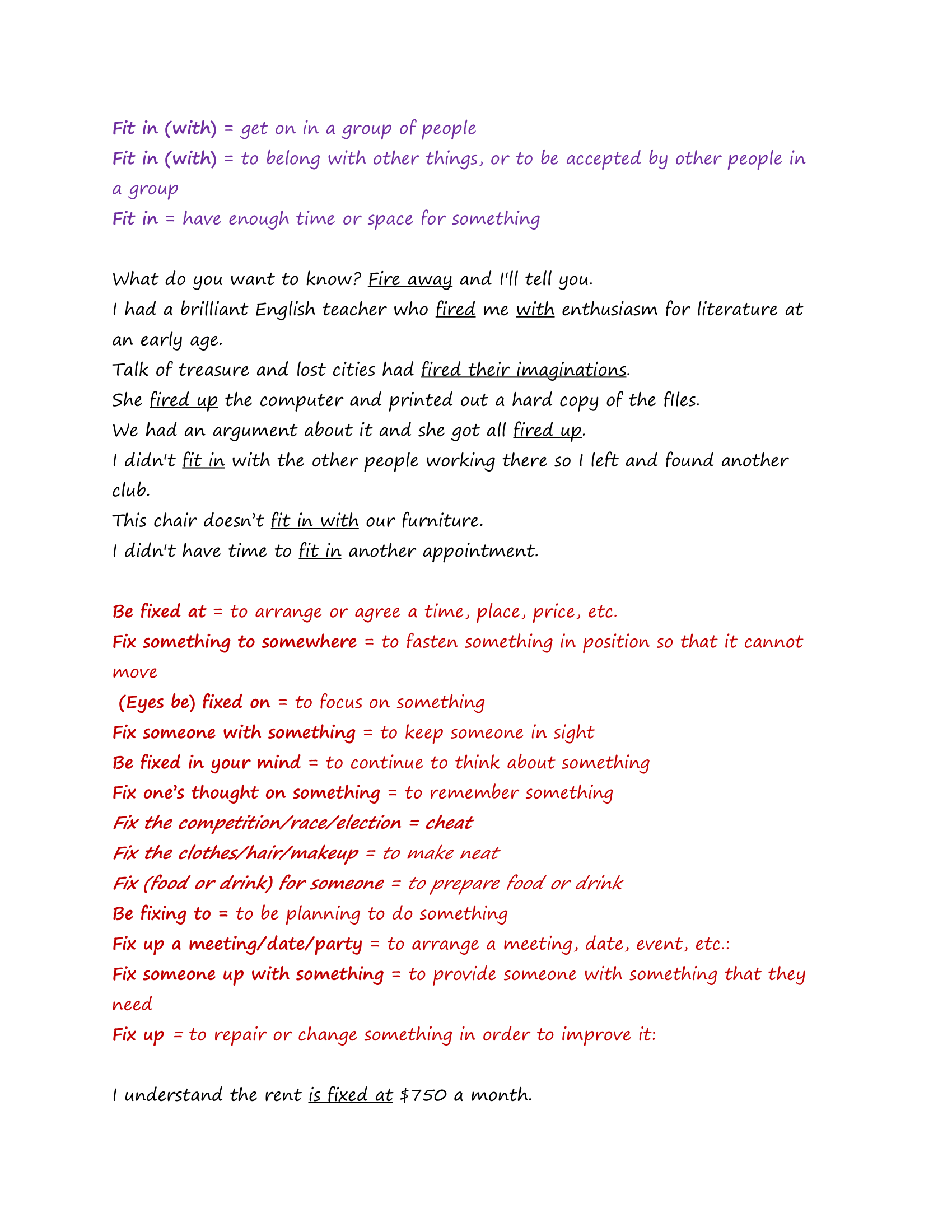
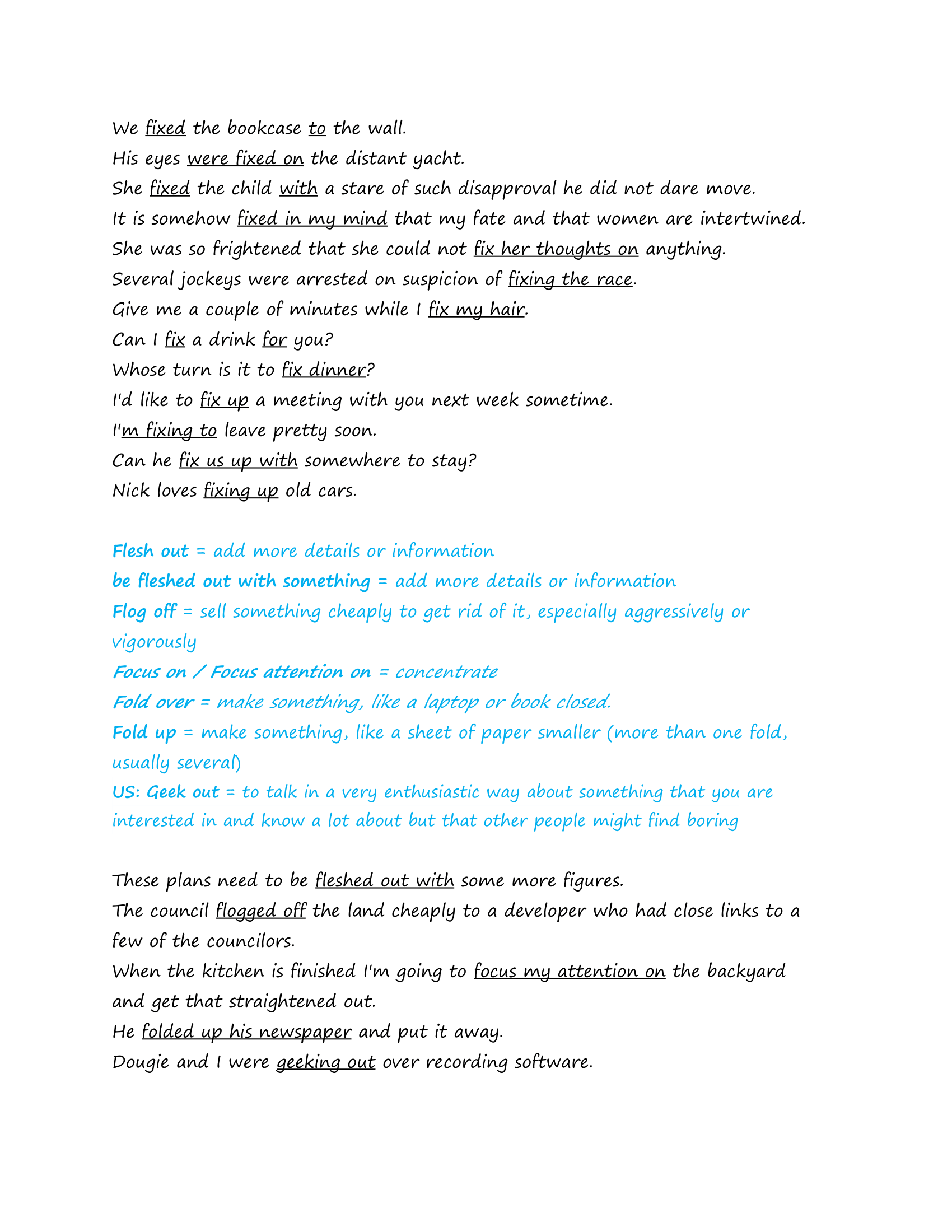
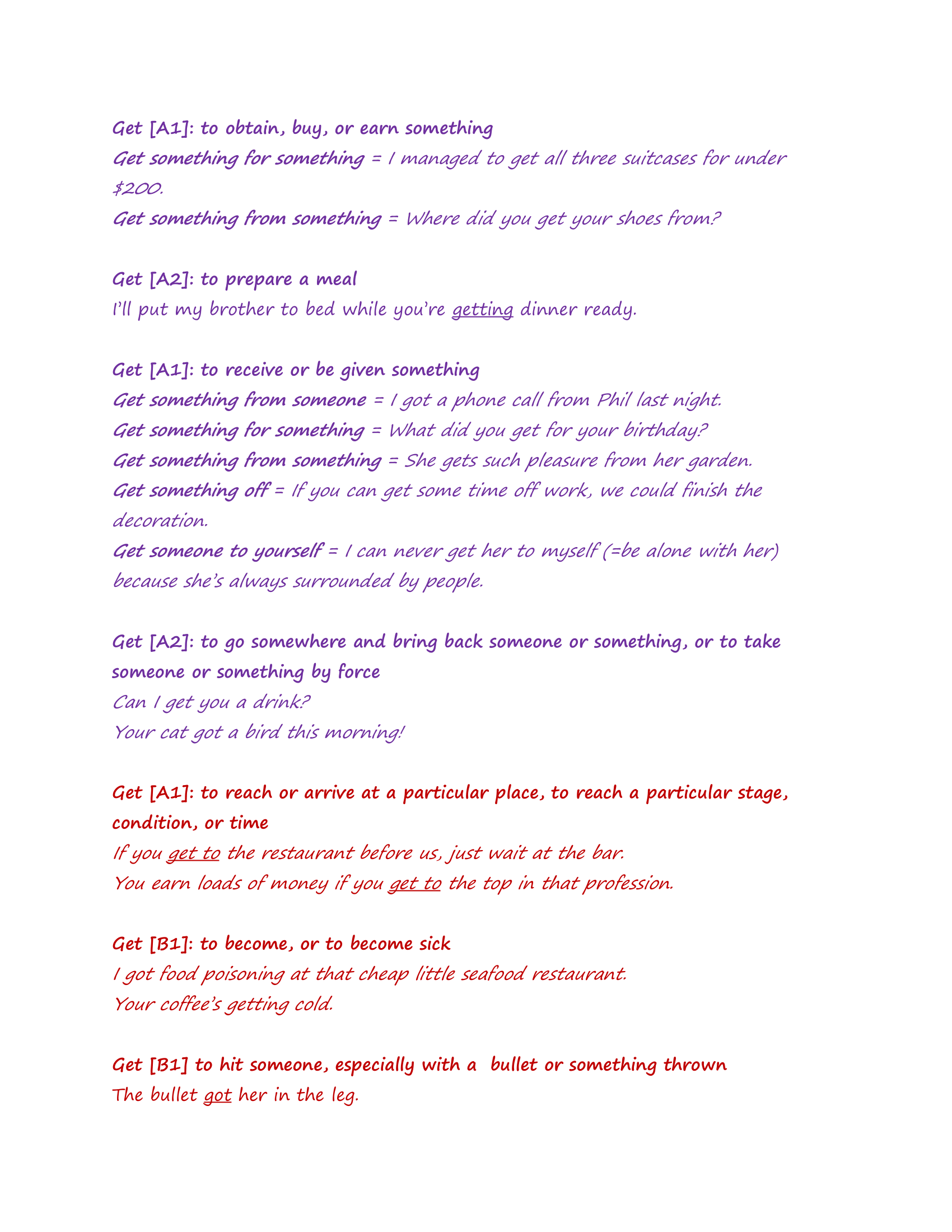
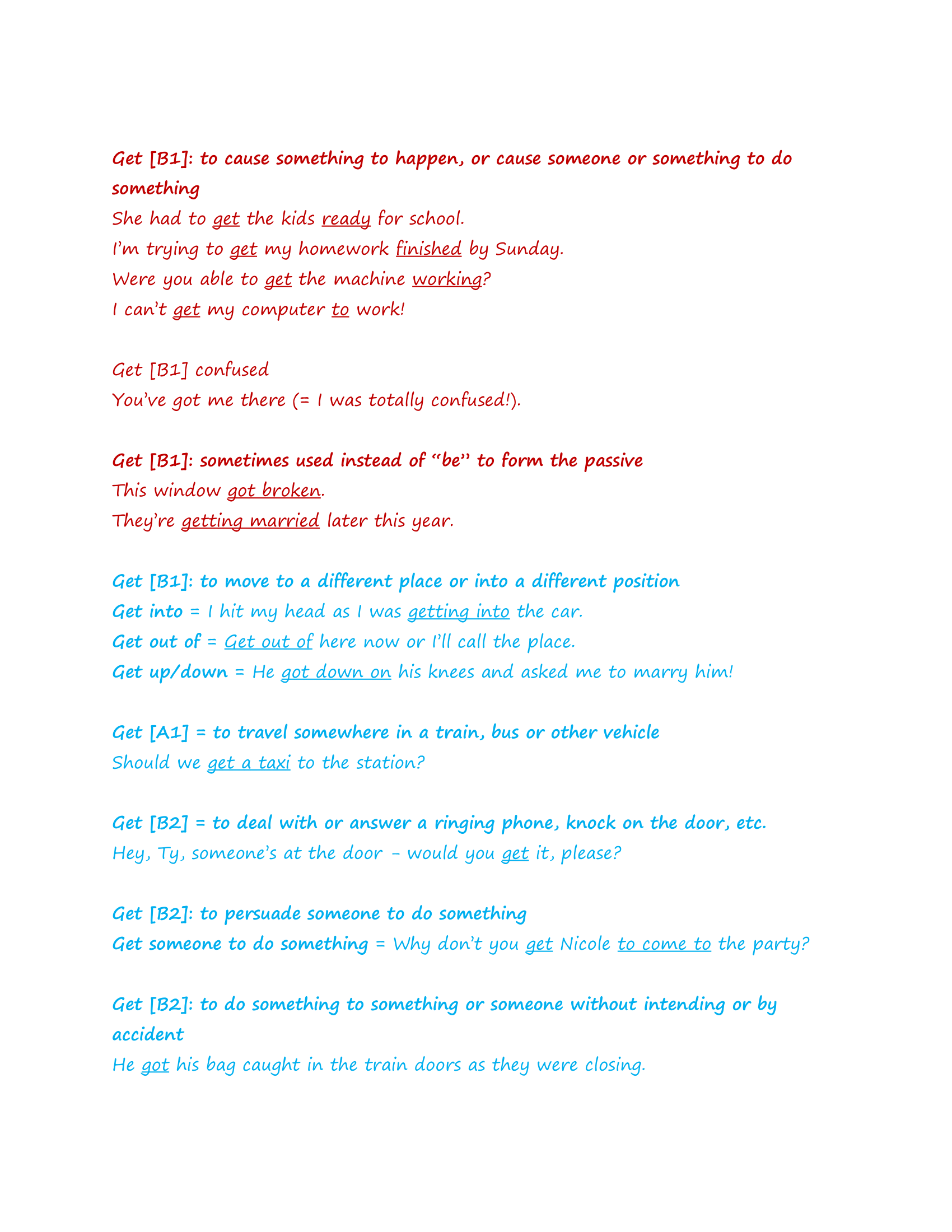
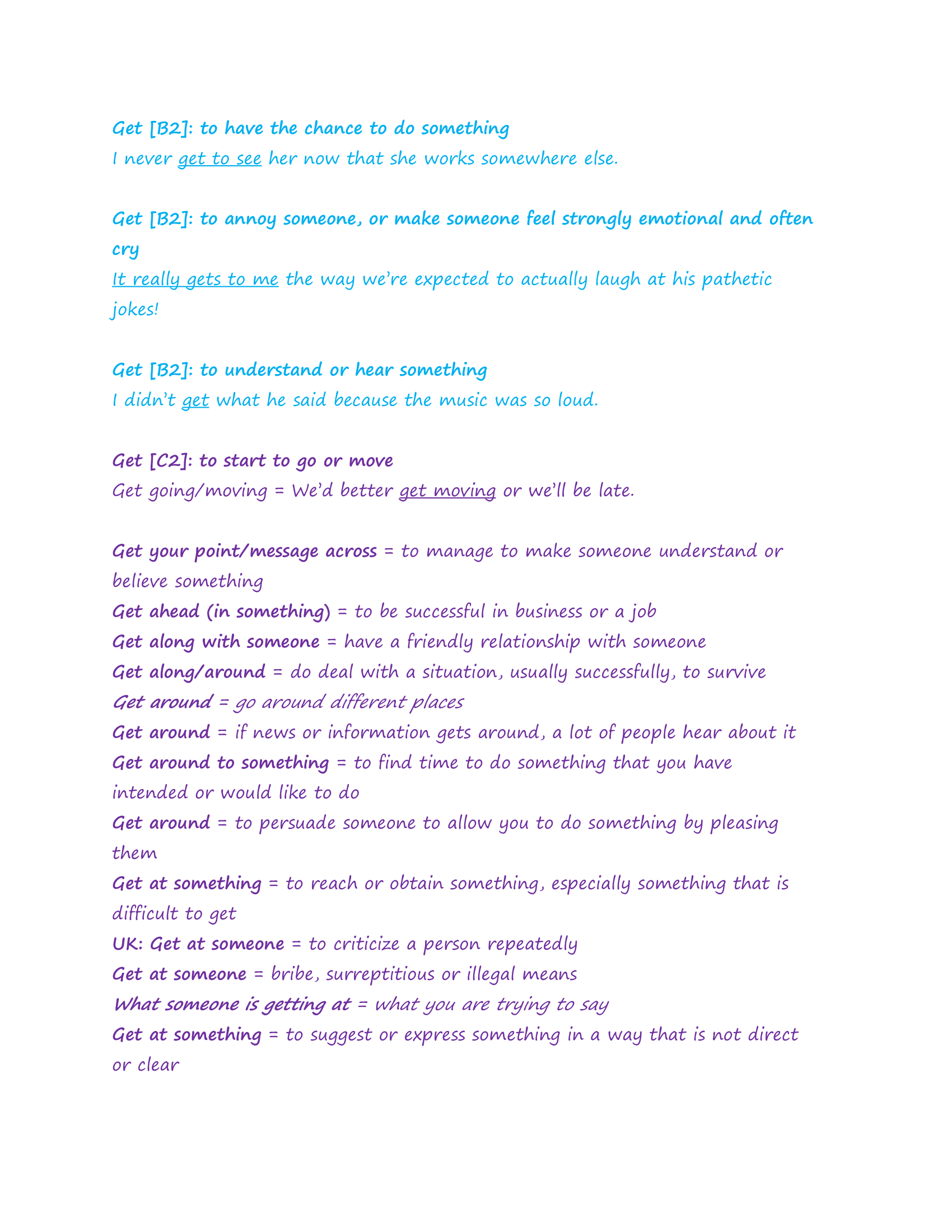
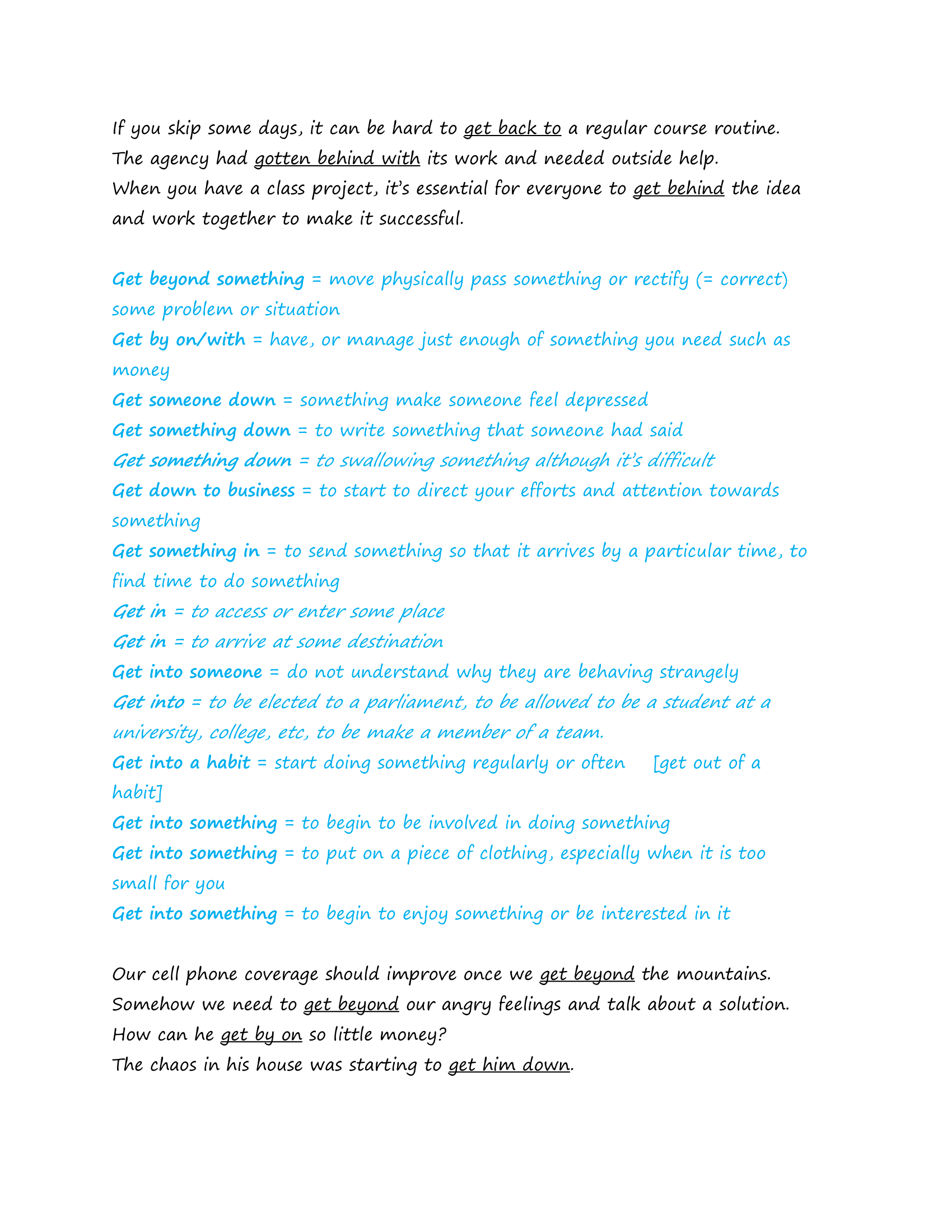
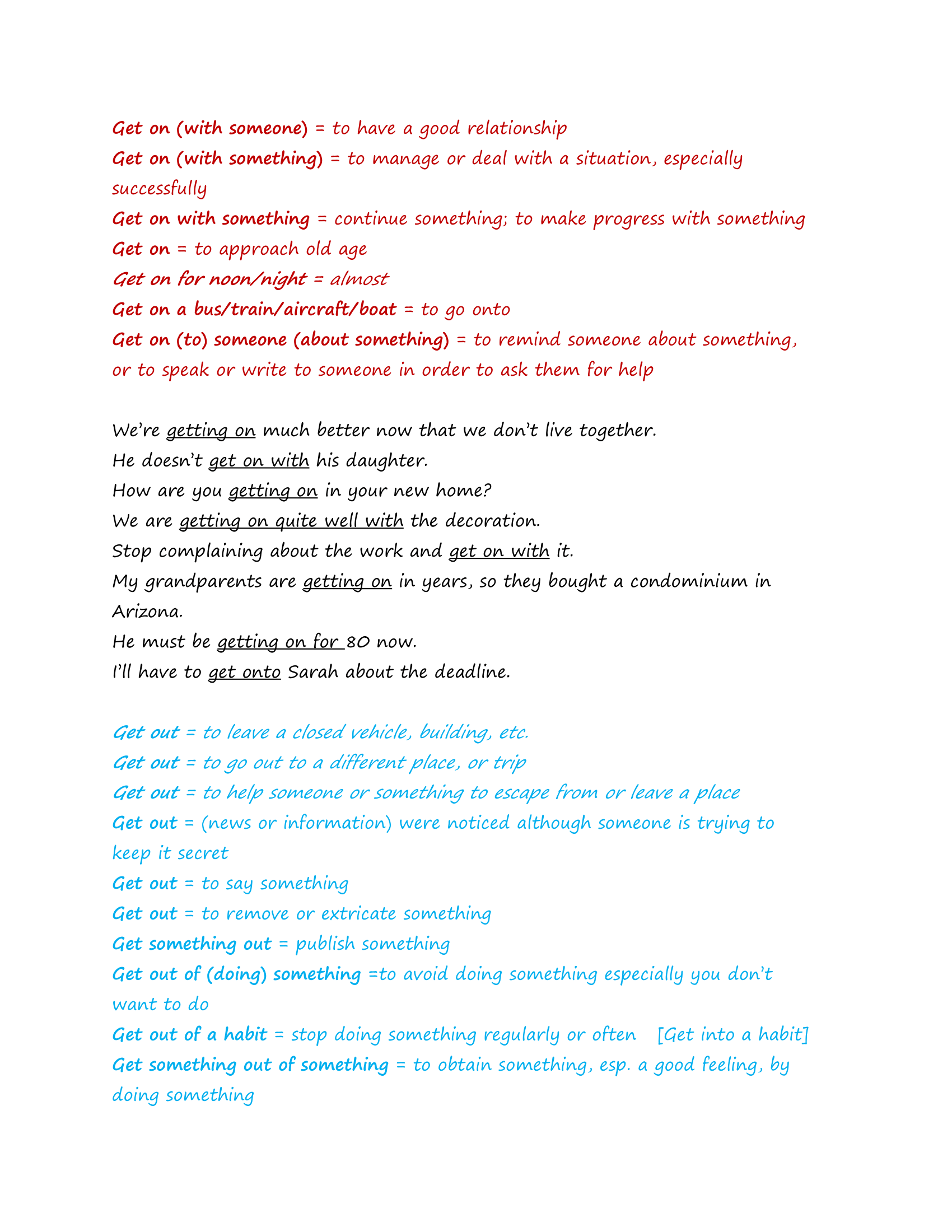
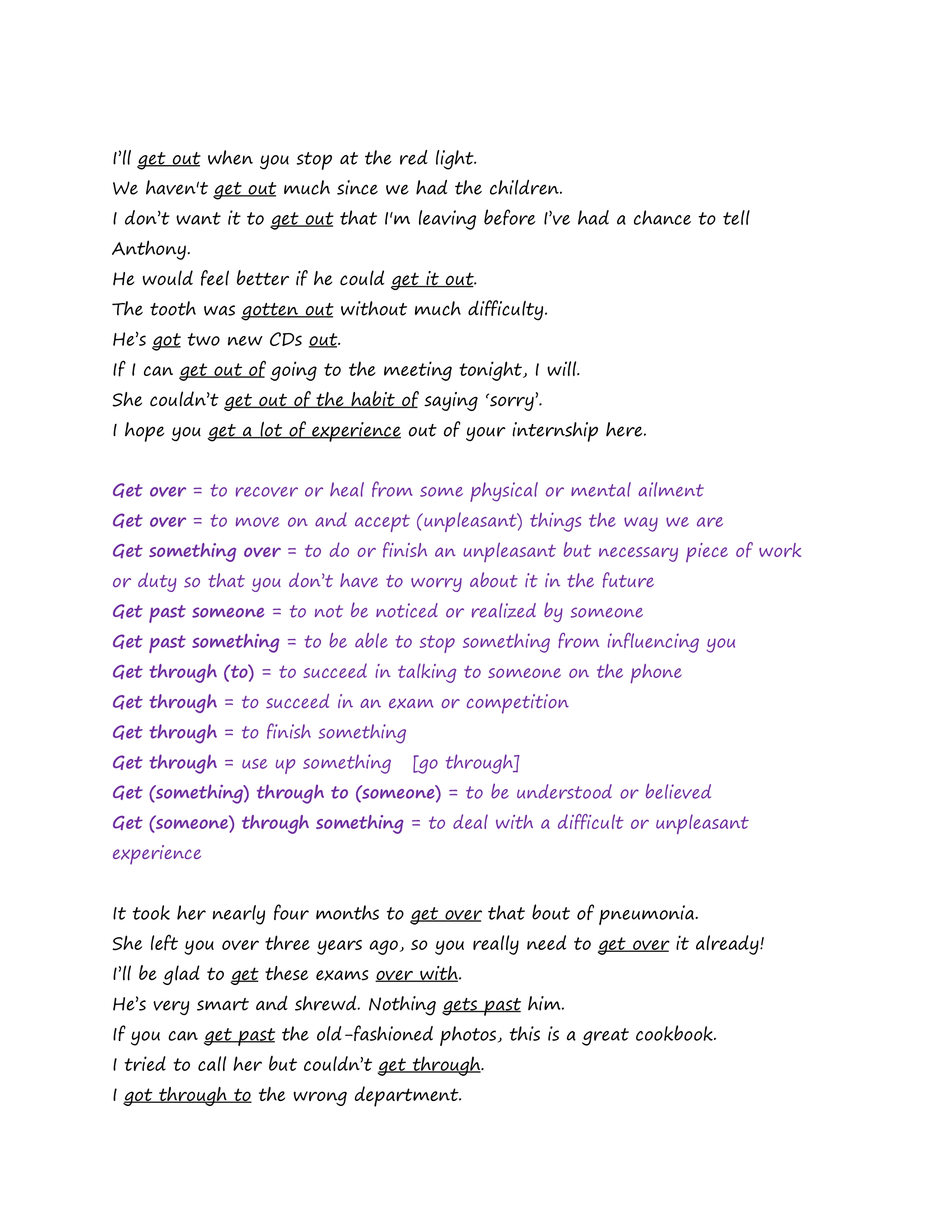
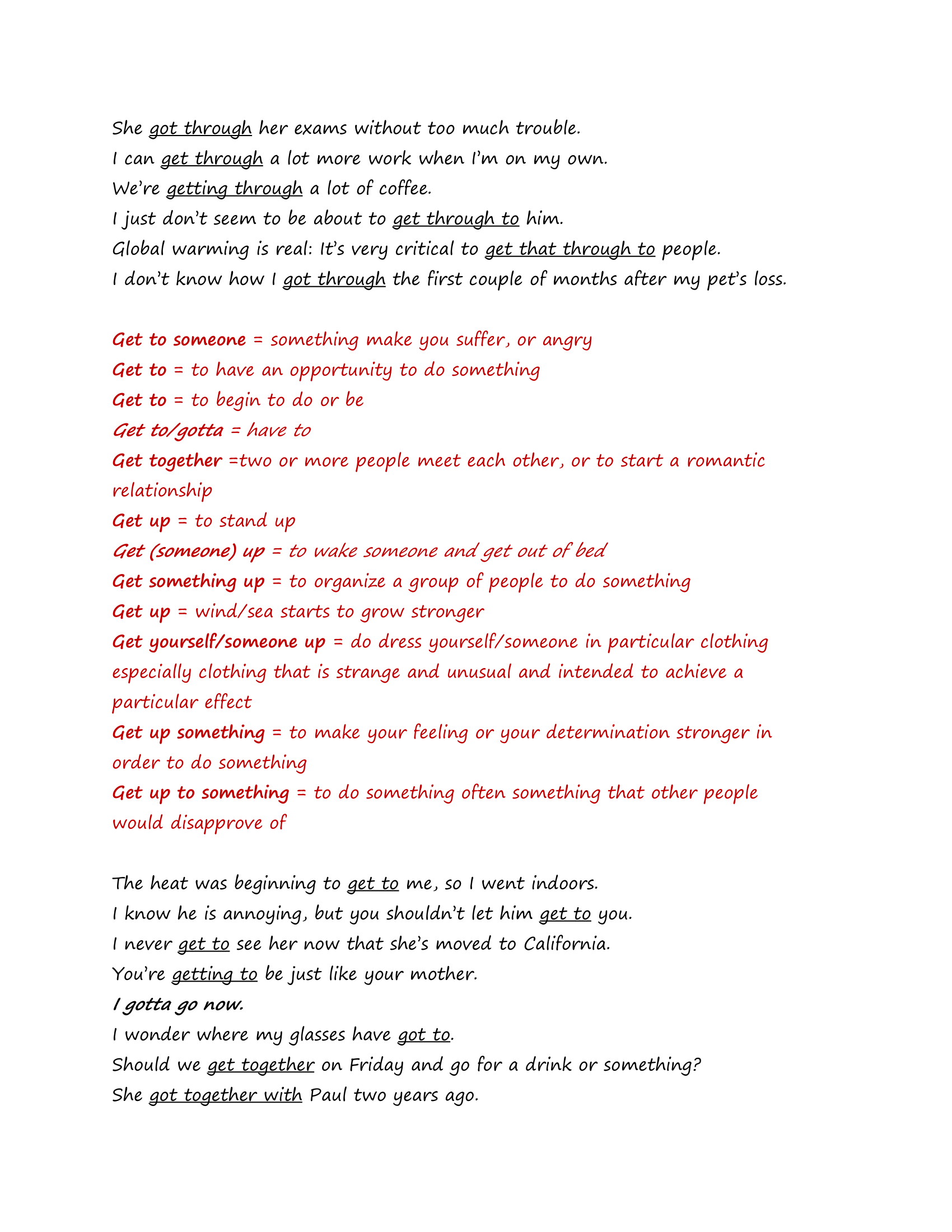
Some of the phrasal verbs are: –









Leave a comment