I’ve never posted about food on social media before, but I felt this French Cuisine I stumbled upon in Shenzhen deserved to be remembered.
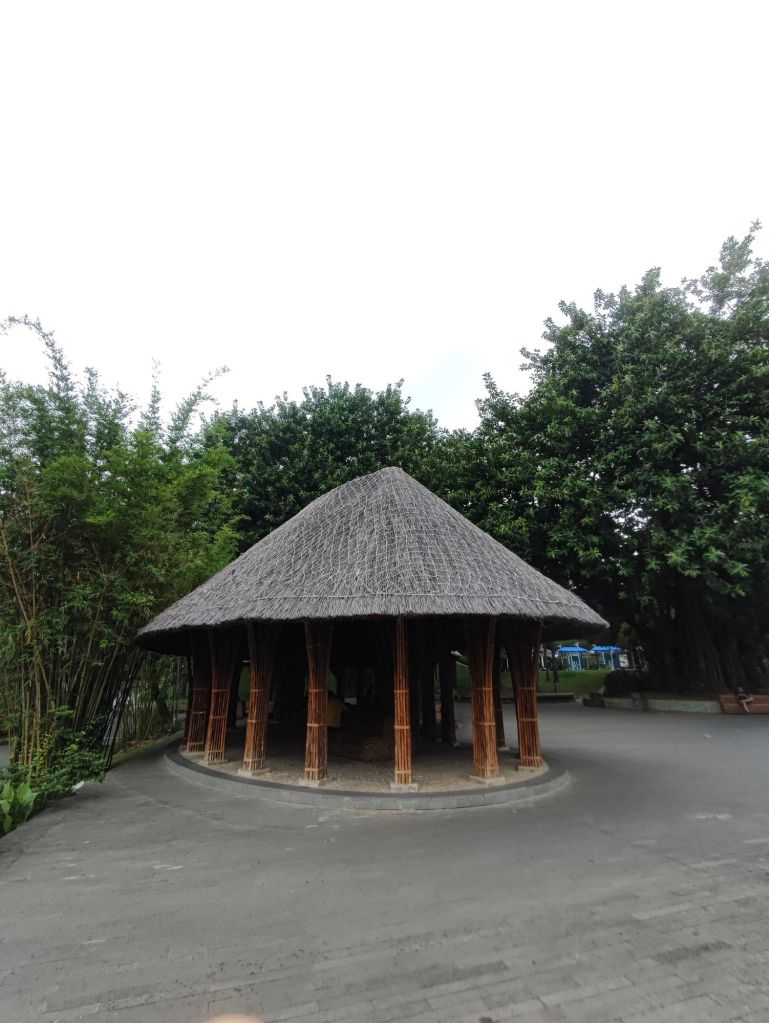
We spent the afternoon wandering around Nantou Ancient Town—a place said to have over 1,700 years of history, tucked right in the center of Shenzhen.
That’s when we stumbled upon a gastrocafe, Mianchu Mia (绵厨Mia,See Apple map, and Rednote ID: 276104504).
I ordered some fruit cream puff, and one of my friends picked a few other breads. Chef Mia told us everything was freshly baked, so while we waited, she brought over some samples for us to try.

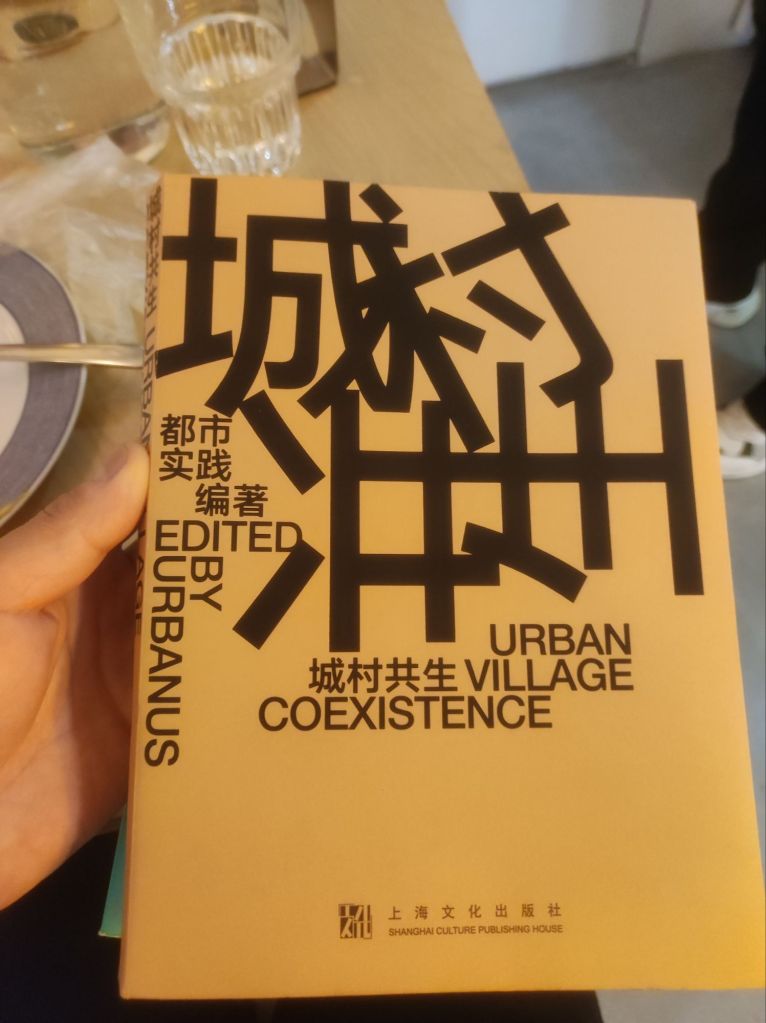
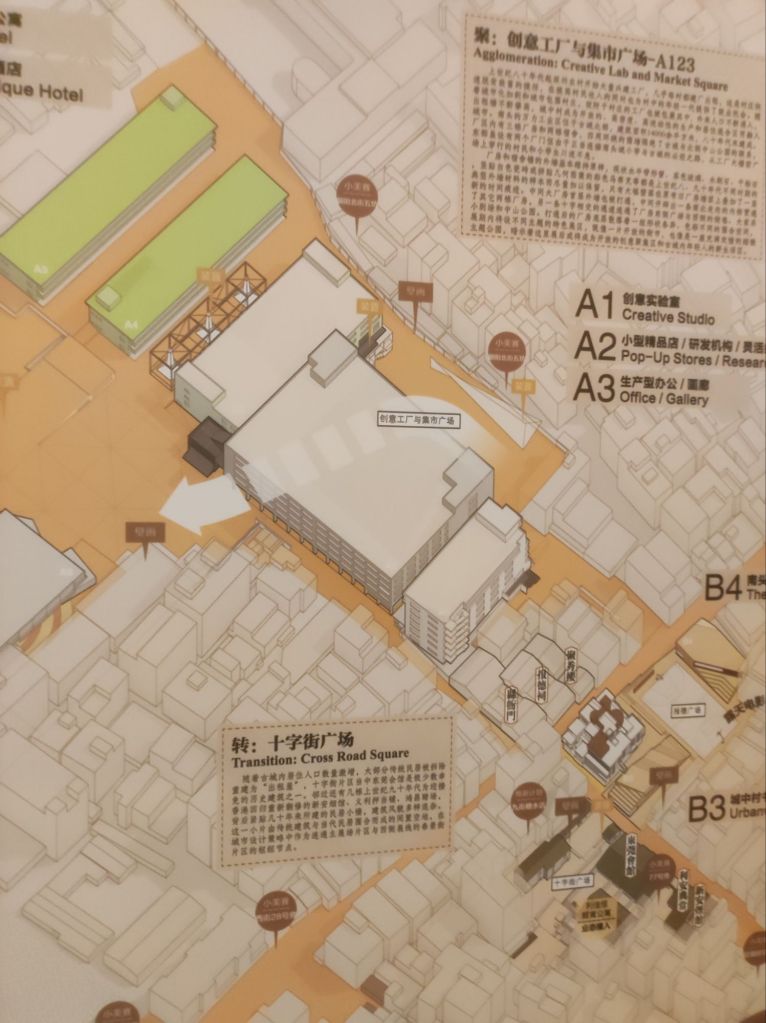
I got drawn to the books on the shelf; my friend stood captivated by the framed renovation maps of the old town on the wall. That’s when we realized—this place is far more than just a restaurant.
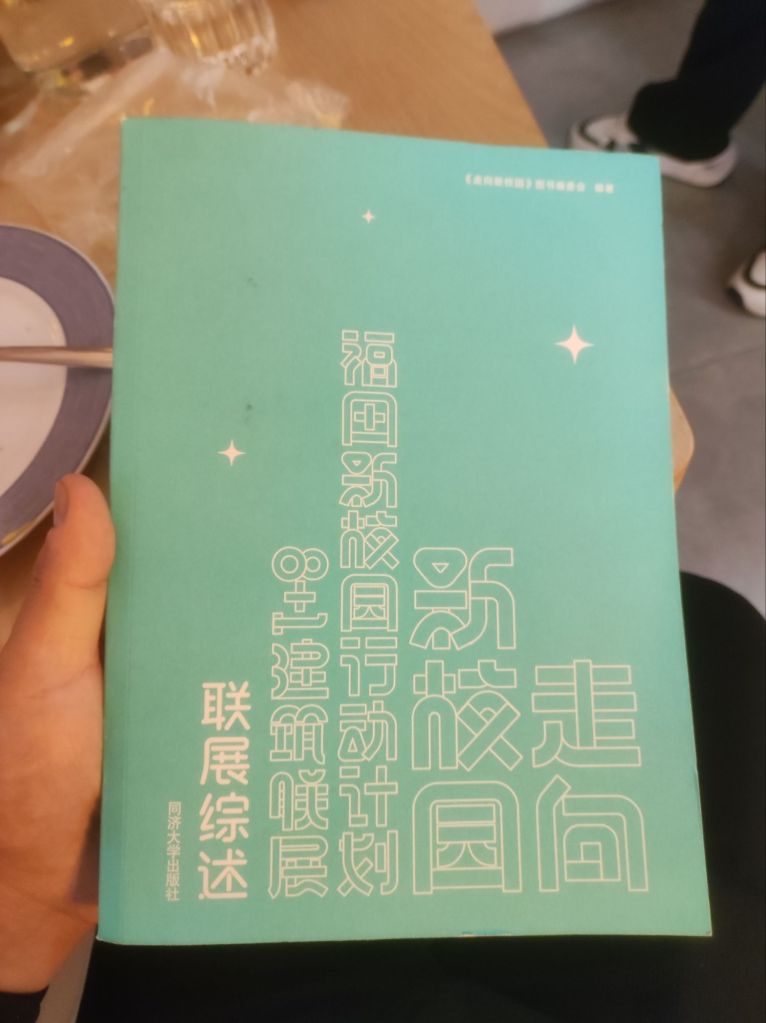
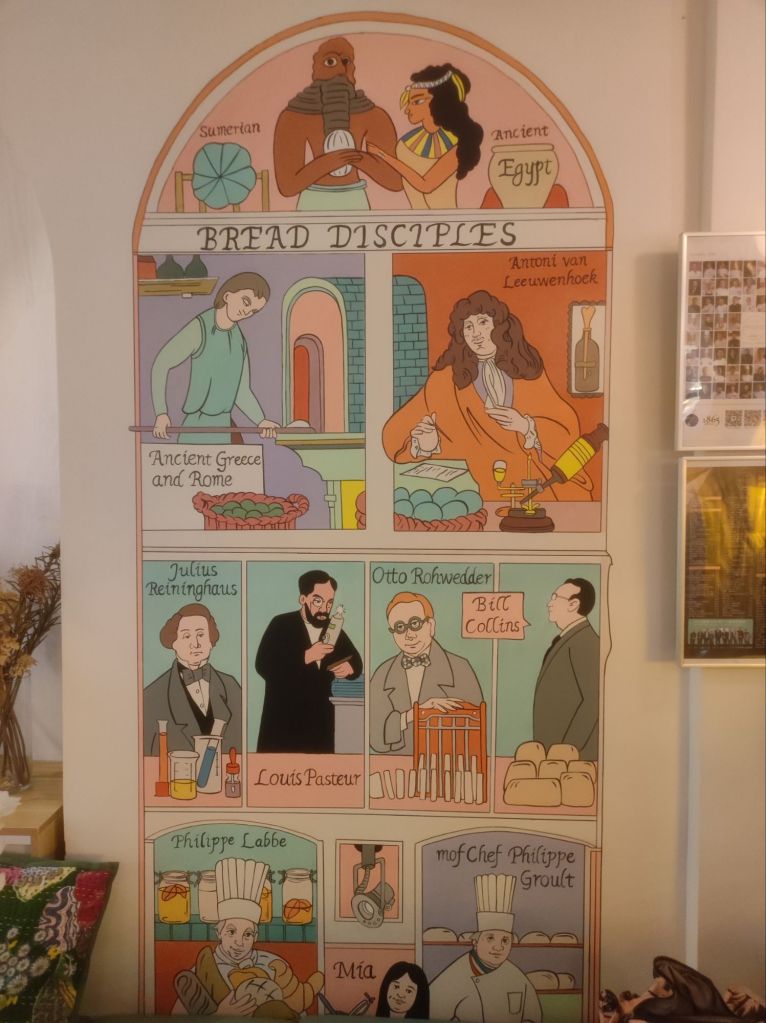
When the cream puff served, Chef Mia began sharing her story. She trained at Le Cordon Bleu in France, under the guidance of chefs Philippe Groult and Philippe Labbe (no, I didn’t memorize their names—one of the arts on the wall did that for me). Speaking of which, every piece of artwork in the shop was created by her friends from the art world.
Coming from a background in architectural design, Mia made a bold switch to food. In a time when preservatives and pre-made meals dominate the shelves, she chooses to bake with flour from Burgundy and natural sourdough (that’s why I felt a bit sour when I bite). She tries to recreate the honest, rustic flavors she encountered in little towns across Europe. She even poured us a small glass of something strong to go with the bread. (I don’t know much about liquor, but I could tell it was special.)
Listening to her, I felt deeply moved. This isn’t just about “liking to bake”—it’s a passion, a kind of quiet devotion of sharing.
Noticing our interest in the town itself, she then spoke to us—this time as a designer—about the story behind the transformation of Nantou Ancient Town. She was clear, passionate, and full of heart. I noticed that Nantou was highly recommended on Klook But on Tripadvisor and Rednote (Xiaohongshu), the deeper background of the place often goes unnoticed.
Looking back, this might have been the most meaningful stop on my whole trip. Without Mia, we probably would’ve walked past an incredible brand—and missed the soul of a town where food, art, and history quietly coexist.


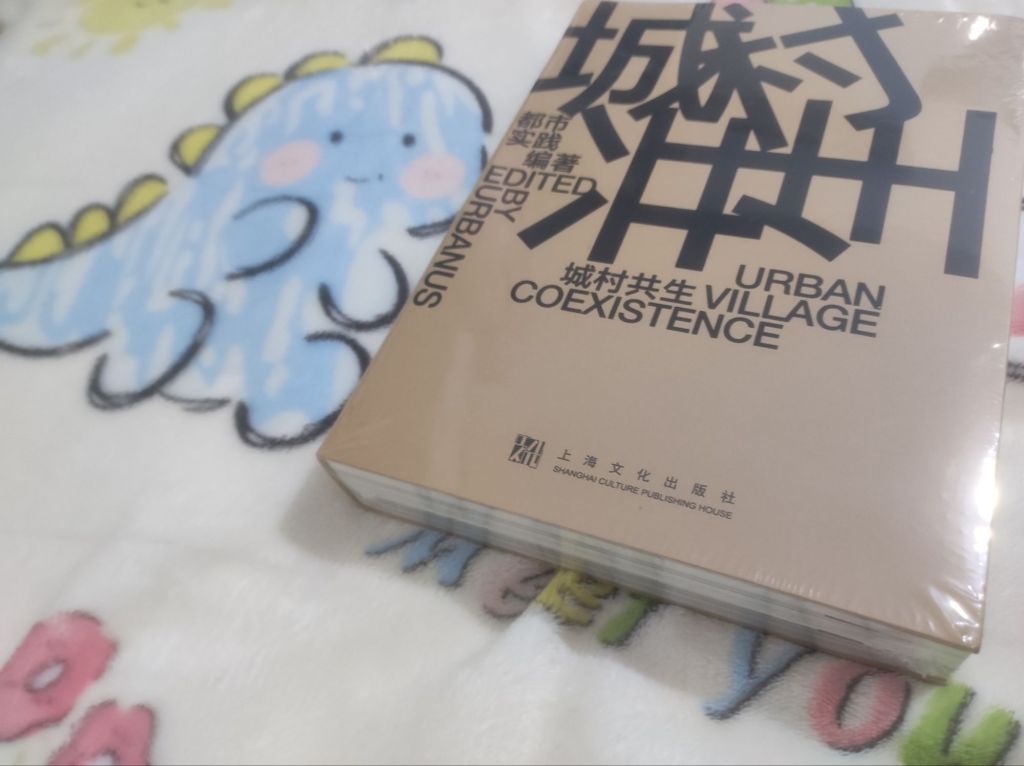
I didn’t take any food photos at the time, but a few days later I messaged Mia, and she kindly shared some. I also ended up ordering the bilingual book Urban Village Coexistence edited by Urbanus, which I spotted on her shelf.


Leave a comment