I saw someone mention that celebrating traditional Chinese festivals today has become little more than a superficial continuation of the tradition. In ancient times, the Mid-Autumn Festival came after the autumn harvest, and was a time for families to reunite, admire the moon, and think of those far from home. That made me think of the beautiful memories I have of celebrating the Mid-Autumn Festival when I was a child.
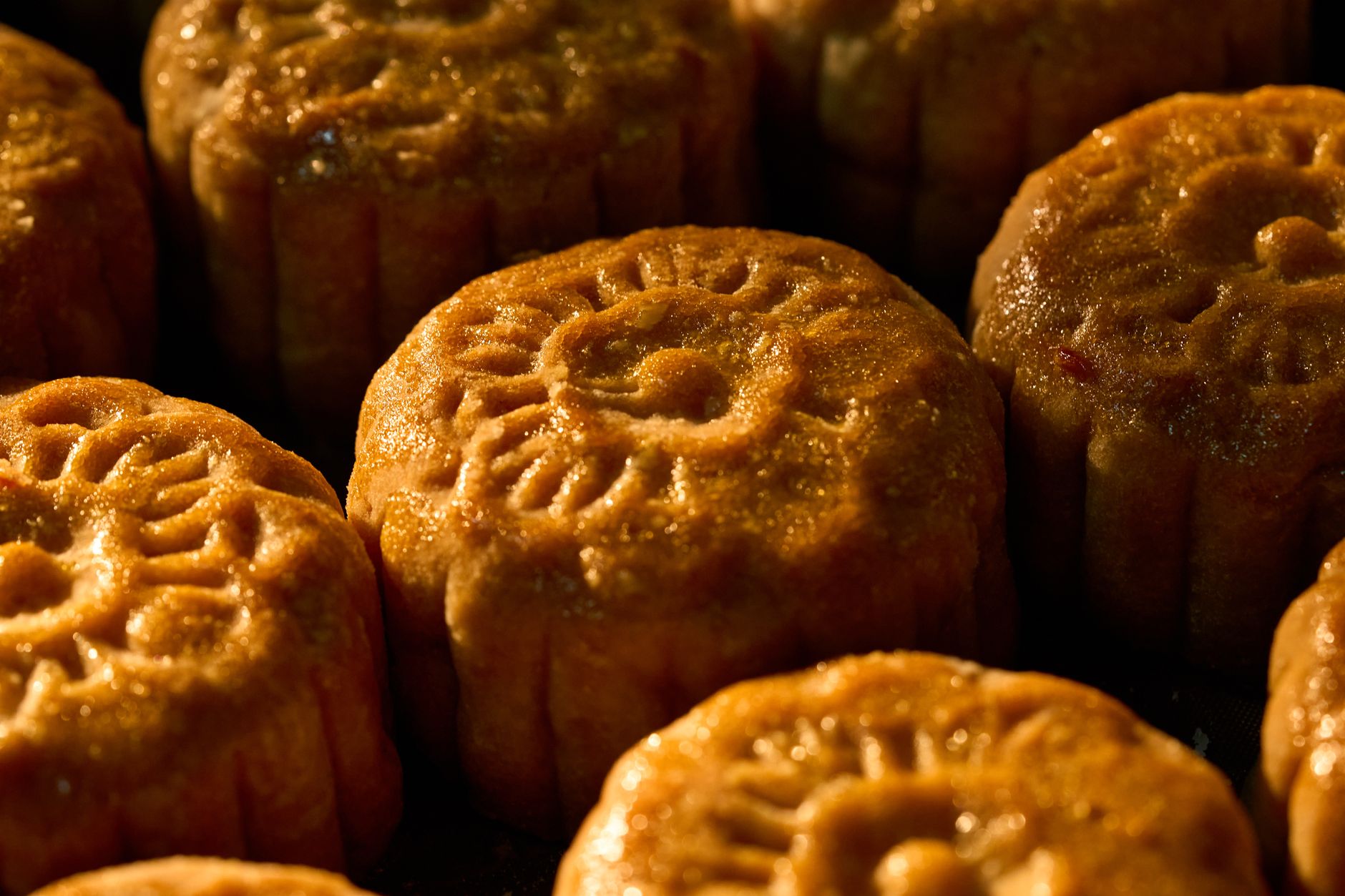
A few days before the Mid-Autumn Festival, my family would load flour, white sugar, rapeseed oil and flaxseed oil, candied fruit, peanuts, walnuts, and other fillings onto a handcart and take them to the local mooncake workshop to make mooncakes. During those few days, almost everyone in the village would gather there. The women would knead the dough, wrap the filling, press the dough into molds, and then—bam!—give the mold a knock, and out came a mooncake. They would brush the mooncakes with egg wash, poke a few holes in them with chopsticks, and put them on baking trays to bake. Once they were done, they had to be left outside to cool, and someone had to keep an eye on them so that no one would take the wrong ones, or so that a cat wouldn’t wander in. In the end, the mooncakes were packed into large buckets or cardboard boxes.

The children would gather in the courtyard and play around. Sometimes relatives from villages miles away, whom we hadn’t seen in a long time, would also come to make mooncakes, and that was one of the rare chances we had to see them.
The autumn harvest probably wasn’t finished yet, although I don’t remember much about it anymore. But there was plenty to pick from the vegetable garden: long beans, tomatoes, peppers, and so on. The fruit on the trees was ripe, too. Eventually, everything would be laid out on woven bamboo trays. My grandpa would fire up the big stove and make a large flatbread. On the night of the Mid-Autumn Festival, he would place it in the courtyard, together with the mooncakes, fruit, and other offerings, to worship the gods.
I still remember the damp leaves in the courtyard and the fresh, earthy smell of the soil, and a full moon hanging in the deep blue sky, lighting up the distant mountains and farmland. After dinner, as usual, my grandparents would gather with the neighbors and sit outside the village, talking.
That is what the Mid-Autumn Festival was like in my memory. I can’t remember the details anymore. Were the potatoes and sunflowers ready to be harvested at that time? Were the pears in the courtyard ripe enough to eat? How big had the cabbages by the stream grown? Was this the time when we would cut the long beans into strips, thread them onto strings, and hang them under the eaves to dry? Was my great-aunt making tomato sauce around that time…? I can’t remember any of it anymore.
After I started seventh grade, those memories of spending the Mid-Autumn Festival in the countryside disappeared. I went to boarding school, where we had our own school calendar, with a holiday every two weeks. My only beautiful memory of autumn after that was picking up lots of beautiful fallen leaves around the school and pressing them between the pages of my Chinese literature textbook. There was also an excerpt from Lu Xun’s short story Hometown, and somehow that passage seemed to carry the scent of fallen leaves, too.
The excerpt begins like this:
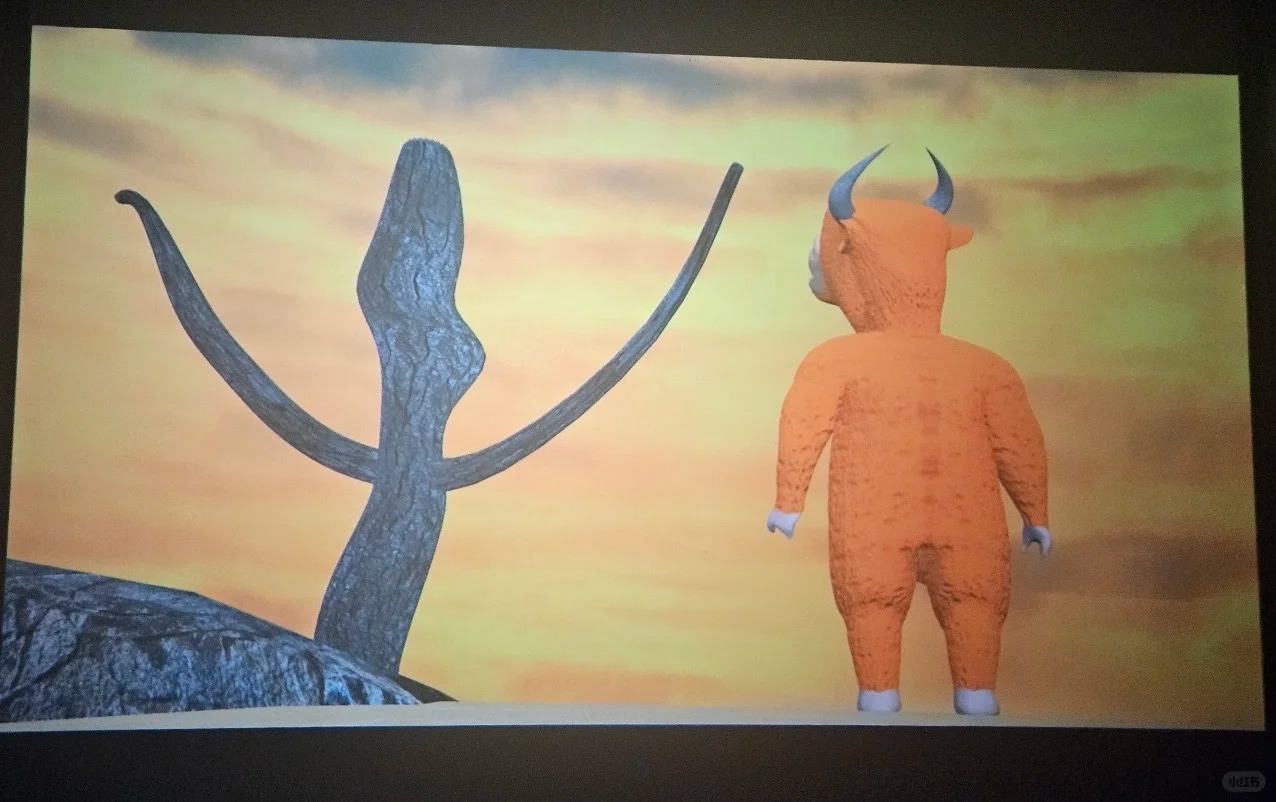
“A golden full moon hung in the deep blue sky, and below was a sandy beach by the sea, all planted with boundless emerald-green watermelons. Among them stood a boy of eleven or twelve, a silver ring around his neck, a steel pitchfork in his hand, thrusting with all his might at a zha. But the zha twisted its body and slipped away from beneath his crotch…”

Some people say that traditional festivals need adults to create the atmosphere for children. But once those children grow up, they no longer create the same atmosphere for the next generation. And so the Mid-Autumn Festival has gradually turned into games and activities, endless photographs of the moon, and all kinds of cartoon moons and rabbits. Even Chang’e has turned into an elongated penguin.
In the United States, countless small towns still hold giant pumpkin contests, as well as contests featuring cute horses and cows. People still carve pumpkins for Halloween, and children still go trick-or-treating. In some villages and small towns, it may even still be the same group of neighbors…
But the village where I grew up no longer exists.

Leave a Reply